
Same-day & Next-day Delivery

Quality Guaranteed

Unlock Your Welcome Offers: FREE Delivery | Up to 80% OFF | Free 30-day JoyPlus trial
Download the APP
International frozen foods make it easy to prepare Asian dishes, snacks and meat or fish meals at home. However, comparing products online isn’t always straightforward. A product photo often shows the portion and packaging, while important details about allergens, storage temperature and cooking instructions are less prominently displayed.
With these practical checks, you can avoid buying the wrong items and find products that suit your diet, freezer space and cooking routine more quickly.
A 1kg or 2kg pack may look appealing, but it won’t automatically suit a small household. Pay attention to the price per 100g, the number of portions and whether you can reseal the pack properly after opening. A large bag of frozen meat is only practical if you cook regularly or run a catering kitchen.
Some products are fully cooked, while others are only pre-prepared. According to the product information, the Wu Chung Roasted Vegetarian Chicken 290g is supplied ready to eat, whereas raw chicken or frozen fish and seafood must be fully heated through. Always check:
Asian frozen foods often contain wheat, soya, sesame, shellfish or fish. A vegan product may, for example, contain wheat gluten or soya. According to the ingredients list, the bibigo Korean BBQ Gyoza Vegan contains wheat flour, wheat gluten and soya sauce. If you have an allergy, you must always check the full packaging and current ingredient information.
Also look out for possible cross-contamination. The Sushi Nori states that the product may contain traces of shellfish or fish. So “vegan” or “gluten-free” should not be assumed from a product name alone.
For most frozen foods, the rule is: store at -18 °C or below, unless the label states otherwise. Products marked “cold from start to finish” are, according to the product description, stored, packed and transported chilled. When you receive your order, check that the packaging is still properly sealed and that the product arrives frozen.
If the packaging is thawed, soft or damaged, it’s best not to simply refreeze the product. If in doubt, contact the seller and keep your order details.
Don’t just compare the total weight. The Wu Chung Roasted Vegetarian Chicken has a net weight of 290g, with a stated drained weight of 180g. With ebi fry, the product consists partly of prawns and partly of breadcrumbs and other ingredients. The BML Ben’s Easy Kitchen Japanese Ebi Fry is sold as 3 packs of 800g; that’s ideal for heavy use, but may be too much for a small household.
Look at the values per 100g, not just the portion size. According to the product information, the Roosterz&Co Roasted Chicken Breast Fillet contains 27.9g of protein per 100g and is supplied cooked and roasted. The Seara Salted Chicken Breast, on the other hand, is salted and must be defrosted and fully heated through before use.
For snacks and side dishes, cooking times are often short, but not always the same. The vegan gyoza can be pan-fried in around seven minutes; steaming takes about eight minutes according to the instructions. Check the label whether you’re using an air fryer, oven or frying pan.
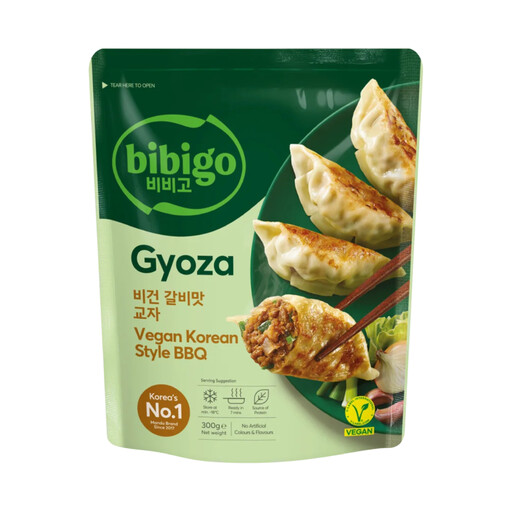
Why this fits the profile: A compact pack for a quick meal or snack, without needing much cooking experience. The dumplings can be steamed or pan-fried.
The cooking methods and ingredients are clearly described. However, check for the presence of wheat and soya if you need to avoid allergens.
Vegan recipe according to the product information, 300g per pack and a cooking time of around seven to eight minutes.
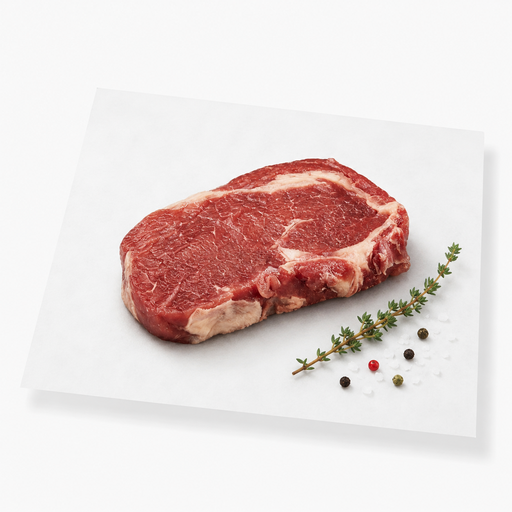
Why this fits the profile: Ideal for anyone looking for a smaller portion of beef for the pan or barbecue, and who pays attention to cooking details.
The product information states 100% beef and gives instructions for pan, grill and oven. Note: this pack is supplied chilled at 0–4 °C and is not the same as a standard frozen product.
200g portion, no stated allergens and a clear core temperature for cooking.
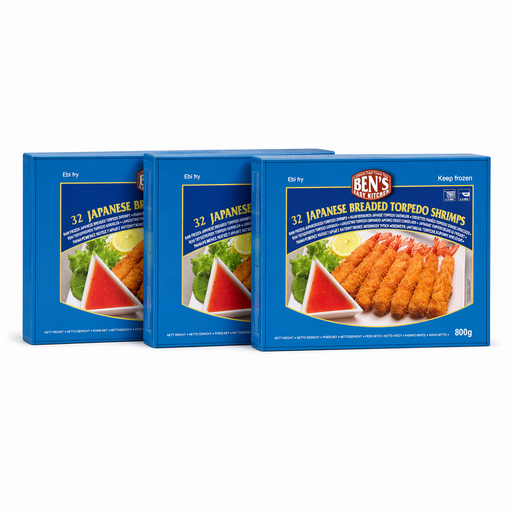
Why this fits the profile: The multi-pack is ideal for families, meal preppers, small catering businesses and ebi fry enthusiasts.
The ingredients list states the proportion of prawns and the allergens present, including shellfish and wheat. This allows you to assess portions and dietary restrictions in advance.
3 x 800g, suitable for multiple cooking sessions and designed as a breaded prawn snack.
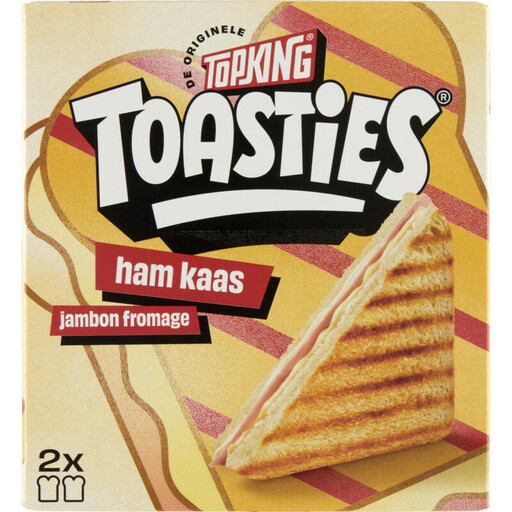
Why this fits the profile: An individually wrapped toastie for lunch, a snack or a quick meal from the toaster.
The product information states 210g, 45g filling and a cooking time of around five minutes after defrosting. Wheat, milk and pork are also listed.
Individually wrapped, suitable for the toaster and supplied with nutritional values per 100g.
We’ve put together a full, up-to-date list of products that fully meet these strict selection criteria and comply with current European safety regulations.
If you want to combine buying frozen food online with store-cupboard staples, you can compare different categories side by side. Think about:
With products like Roasted Gluten-Free 150g, extra care is needed: the title says “gluten-free”, while the available ingredient information lists water and gluten. In such a situation, always rely on the label and don’t take any risks if you have an allergy.
This varies by product. Store frozen foods according to the temperature on the packaging, usually at -18 °C or below, and check the best-before date. After defrosting, you must follow the stated fridge storage time and generally not refreeze the product.
That depends on the product and the instructions. Some pre-cooked products can be reheated directly. Raw chicken, lamb chops and ribeye usually need to be safely defrosted first, unless the label states a different method. Use a food thermometer for chicken and follow the stated core temperature.
When you receive your order, check the condition of the packaging and whether frozen products are still frozen. Plan your delivery for a time when someone is at home. Put the products straight into the freezer and store chilled items according to their own instructions. This way, you avoid a wrongly delivered or thawed product ending up unnecessarily in your stock.
