
Same-day & Next-day Delivery

Quality Guaranteed

Unlock Your Welcome Offers: FREE Delivery | Up to 80% OFF | Free 30-day JoyPlus trial
Download the APP
Having a bag of good frozen dumplings in your freezer is a secret weapon for a quick, flavourful meal. But anyone who has browsed an Asian supermarket or looked online knows the selection can be overwhelming. The packaging always promises an authentic experience, but the reality is sometimes a doughy disappointment with a skimpy filling.
Before you fill your shopping cart, it's smart to know what to look for. Many buyers fall into the same traps. By recognising them, you'll save money and enjoy dumplings as they're meant to be.
You don't need to be an ingredient expert to avoid a bad purchase. Pay attention to a few concrete specifications on the packaging. These will tell you more than any marketing claim.
The heart of a good dumpling is its filling. A reliable indicator of quality is the percentage of the main ingredients. Look for specifications on the ingredient list like pork (25%) or Chinese cabbage (20%). The higher these percentages, the greater the chance of a flavourful and well-filled dumpling. This is an objective figure that manufacturers are required to state correctly.
Asian dumplings come in many forms, and the wrapper is crucial for the texture.
buy gyoza, look for products that use this term and recommend pan-frying as the primary cooking method.Authentic flavour comes from specific ingredients. A product that specifies "chives" instead of "vegetable mix," or "shiitake" instead of "mushrooms," shows more attention to the recipe. This also applies to vegetarian dumplings. A filling of "tofu and Chinese cabbage" is much more promising than a generic "vegetable filling." Brands like Bibigo are known for using clear flavour profiles, such as their Bibigo gyoza with bulgogi flavour.
Based on clear product specifications, we have selected several popular choices that suit different preferences and situations.
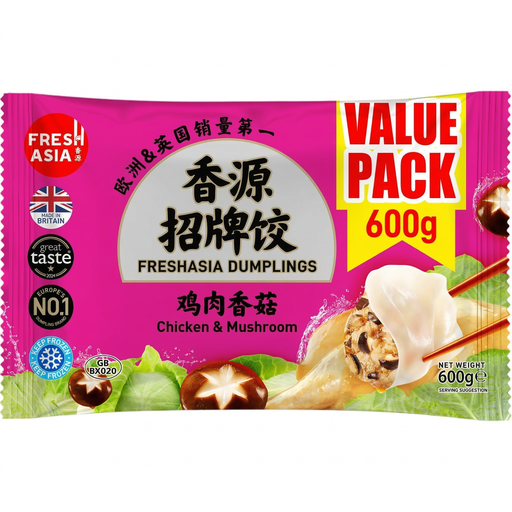
Why This Fits Their Persona: Perfect for those who want a quick, nutritious, and familiar meal after a long day. The chicken and shiitake combination is a classic crowd-pleaser.
The ingredient list is specific (chicken, shiitake, onion), avoiding the vague description pitfall. The wrapper is described as thin and tender, suitable for boiling, steaming, and pan-frying.
The large 600g value pack offers great value and is ideal for multiple meals. The flavour is approachable and not overpowering.
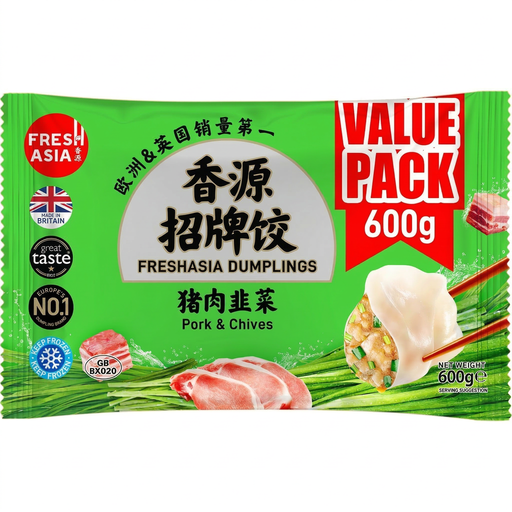
Why This Fits Their Persona: For the home cook seeking the classic flavour of a Northern Chinese jiaozi. Pork and chives is one of the most traditional and beloved combinations.
This product tackles the "more wrapper than filling" trap by listing clear percentages: Pork (25%) and Chives (15%). This indicates a rich filling.
The high filling percentages ensure an authentic and savoury flavour. The wrapper is designed for boiling, resulting in a soft, juicy dumpling.
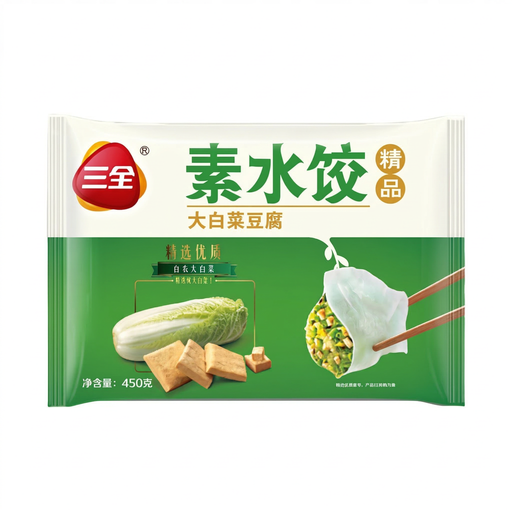
Why This Fits Their Persona: An excellent choice for vegetarians or anyone looking for a lighter meal without sacrificing flavour. The combination of Chinese cabbage and tofu is a classic filling in Chinese cuisine.
This product is transparent about its filling with clear percentages: Chinese Cabbage (25%) and Bean Curd (15%). This prevents the disappointment of a vague "vegetable mix."
A clean, classic vegetarian filling that offers a fresh and light taste. Suitable for boiling, steaming, or pan-frying, making it a versatile option.
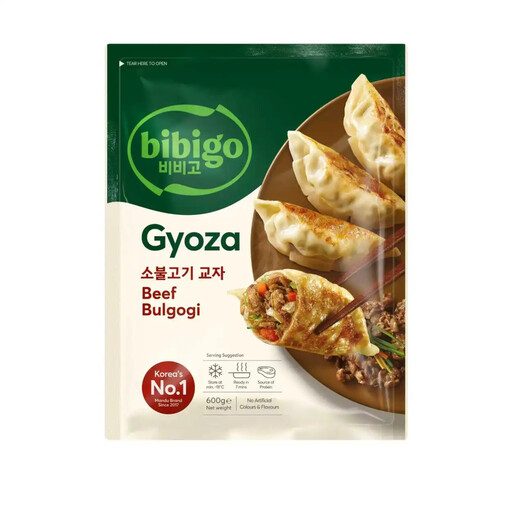
Why This Fits Their Persona: Especially for lovers of the Japanese style, who enjoy a dumpling with a crispy, pan-fried bottom. The sweet and savoury bulgogi flavour is a popular Korean twist.
This product is specifically labelled as 'Gyoza' and the cooking instructions focus on pan-frying. This prevents the disappointment of a wrapper that doesn't get crispy.
The wrapper is optimised for a crispy result. Bibigo is a well-known brand in this category, which often means consistent quality.
We have compiled a complete, up-to-date list of products that meet these selection criteria and current regulations.
No, in almost all cases it's better to cook frozen dumplings straight from the freezer. The instructions on the package are designed for this. Thawing can cause the dough to become sticky and the dumplings to lose their shape or stick together.
When boiling: use a large pot with plenty of boiling water. As soon as you add the dumplings, stir gently with a spoon to prevent them from sticking to the bottom or to each other. When pan-frying: use a pan with a good non-stick coating and enough oil. Place the dumplings in the hot pan and let the bottoms brown undisturbed before adding water to steam them.
These terms are often used interchangeably, but there are subtle differences. 'Dumpling' is the general English term for a small parcel of dough with a filling. 'Jiaozi' is the most common Chinese variant, which can be boiled, steamed, or pan-fried. 'Gyoza' is the Japanese version of jiaozi. They typically have a thinner wrapper, a finer filling, and are almost always pan-fried for a crispy bottom.
