
Vandaag of morgen in huis

Kwaliteit gegarandeerd

Welkomstaanbiedingen ontgrendelen: GRATIS bezorging | Tot 80% korting | Gratis 30 dagen JoyPlus-proefperiode
Download de app
Choosing a new fridge-freezer seems simple until you dive into the specifications. You're bombarded with marketing terms, and it's hard to determine what you really need. Many people fall into the same traps, ending up with an appliance that's annoying, consumes too much power, or simply doesn't fit. As a Joybuy Product Recommendation Officer, I'll help you make the right choices, based on facts, not hype.
Before you buy a refrigerator, watch out for these three common missteps:
To avoid a bad purchase, it's important to understand a few technical specifications. These determine the performance, ease of use, and long-term costs.
Since 2021, refrigerators have a new energy label ranging from A (very efficient) to G (least efficient). An energy-efficient refrigerator will save you a significant amount on your annual energy bill.
The technology determines how well your food is preserved and how much maintenance the appliance requires.
These two factors determine how well the refrigerator fits into your living environment.
Below is a selection of models that cater to different needs, based on their specifications.
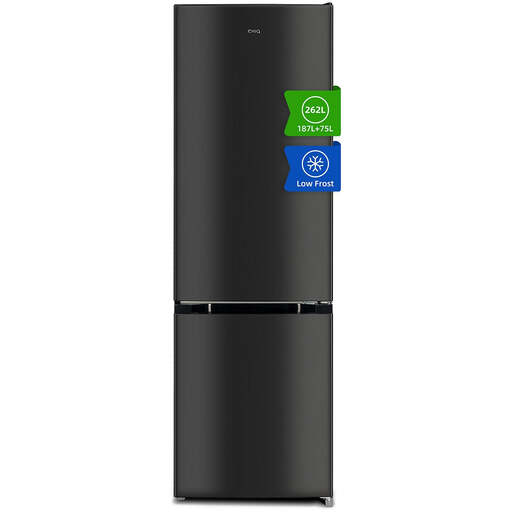
Why it's a good fit: This model offers a great balance between a compact footprint (55 cm wide) and a generous 262-litre capacity. Ideal for a one or two-person household in an apartment where space is limited.
This model is transparent about its technology: it uses Low Frost, which limits ice build-up. The noise level of 39 dB is clearly specified, so you know what to expect.
A flexible layout and a reversible door, allowing it to fit into almost any kitchen configuration. According to the manufacturer, you get a 12-year warranty on the compressor.
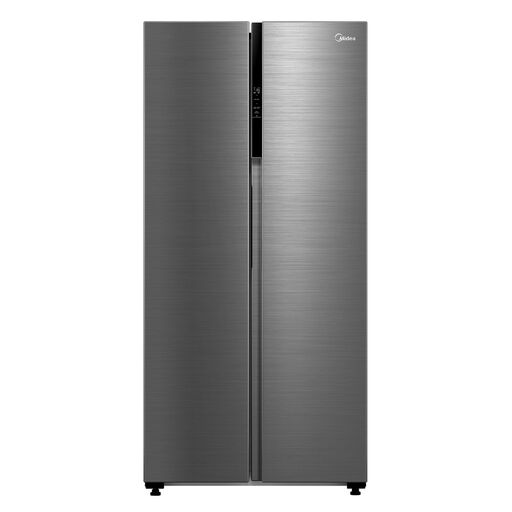
Why it's a good fit: With a total capacity of 460 litres, this American-style refrigerator is perfect for families who stock up on a lot of groceries. The side-by-side layout provides a clear overview of both the fridge and freezer sections.
This model features Total No Frost, making manual defrosting a thing of the past. The dimensions are clearly stated (83.5 cm wide), so you can accurately plan the required space.
Wi-Fi connectivity allows for remote control via an app. This is useful for activating the Super Cooling function just before you get home with the weekly groceries.
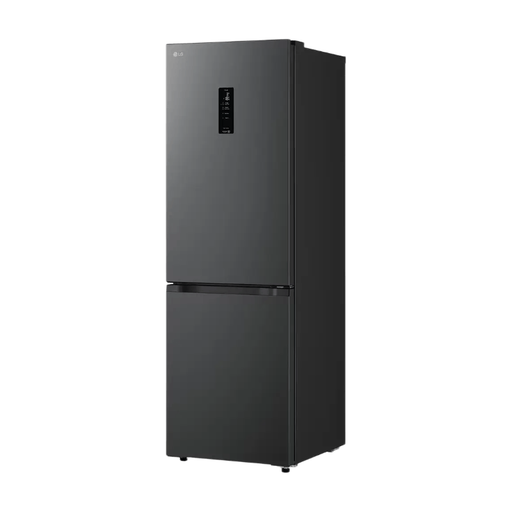
Why it's a good fit: For those with an open-plan kitchen who value peace and a sleek design. This matte black LG refrigerator is a statement piece that performs at a high level without being disruptive.
With a noise level of just 35 dB, this is an extremely quiet refrigerator. It's a Total No Frost model, so no more hassle with defrosting. The Zero Clearance design allows the door to open 90 degrees without hitting the wall.
The DoorCooling+ and LinearCooling technologies, as described by LG, ensure faster and more even cooling, which helps keep food fresh for longer.
We have compiled a complete, up-to-date list of products that meet these strict selection criteria and local safety regulations.
Most manufacturers recommend leaving at least 5 to 10 centimetres at the back and 2 to 5 centimetres on the sides. This is essential for air circulation and heat dissipation. Always check the manual for your specific model for the exact recommendations.
The difference can be significant. An E-rated model consumes around 250 kWh per year on average, while a comparable C-rated model uses about 165 kWh. With an electricity price of €0.30 per kWh, that's a saving of around €25 per year. Over the lifespan of the refrigerator (10-15 years), these savings add up considerably.
The average lifespan of a fridge-freezer is between 10 and 15 years. This depends on the quality of the components (especially the compressor), maintenance, and correct placement with sufficient ventilation. Regularly cleaning the dust from the back can extend its lifespan.
