
Vandaag of morgen in huis

Kwaliteit gegarandeerd

Welkomstaanbiedingen ontgrendelen: GRATIS bezorging | Tot 80% korting | Gratis 30 dagen JoyPlus-proefperiode
Download de app
Choosing a new fridge-freezer seems simple until you dive into the specifications. Manufacturers make lofty promises with terms like "extra spacious," "whisper-quiet," and "No Frost." But in reality, that extra space is poorly laid out, the quiet fridge hums constantly, and the freezer compartment is still full of ice after a year.
As a Joybuy Product Recommendation Officer, I'm here to help you cut through the marketing jargon. We'll focus on the facts so you can choose a model that truly fits your household. Let's look at the three most common pitfalls when buying a fridge-freezer and how to avoid them.
To avoid buyer's remorse, it's crucial to check three core specifications. These will determine the ease of use, the peace and quiet in your home, and your energy bill for years to come.
Since 2021, the energy label for refrigerators has been updated, running from A (most efficient) to G. An energy-efficient fridge-freezer with a good rating (e.g., C or D) can save you a significant amount of money each year compared to an older model or one with an E or F rating. Don't just look at the letter; also check the estimated annual consumption in kWh. This figure provides a concrete indicator of the running costs.
The noise level (dB) is crucial, especially in an open-plan kitchen or studio apartment. A few decibels might not seem like much, but the sound scale is logarithmic. This means 40 dB sounds twice as loud as 30 dB.
A quiet fridge is therefore a model with a noise level of 39 dB or lower.
A No Frost fridge prevents ice build-up in the freezer section by circulating cold, dry air. This saves you the tedious chore of defrosting. However, note the difference:
Based on objective specifications, we have selected several models that suit different needs and budgets.
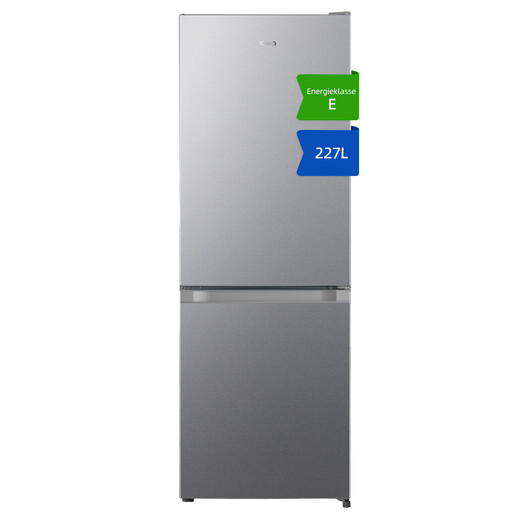
Why This Fits Their Persona: Ideal for one or two-person households or kitchens with limited space. Its 54 cm width makes it suitable for niches where a standard model won't fit, without sacrificing a full-sized freezer compartment.
This model is honest about its size. It doesn't promise a huge capacity but offers an efficient 227 litres with a practical layout. The Low Frost technology is a good compromise that significantly reduces ice formation.
Compact width (54 cm) and Low Frost technology. The door is reversible for flexible placement.
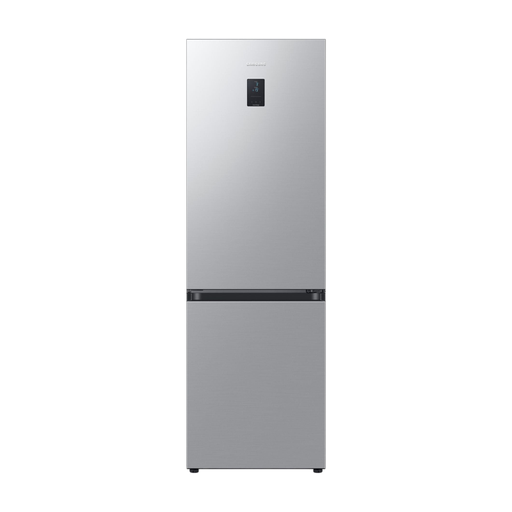
Why This Fits Their Persona: With 344 litres of total capacity, there's plenty of room for a whole family's groceries. The combination of a very low noise level and effective No Frost technology makes this a worry-free choice for a lively household.
This model solves the pitfalls of noise and maintenance. At 35 dB, it's one of the quietest models on the market, and Samsung's Total No Frost technology is reliable, meaning you genuinely won't have to defrost again.
Very quiet (35 dB), spacious capacity (344 L), and a relatively efficient D energy label. The stainless steel finish provides a modern look.
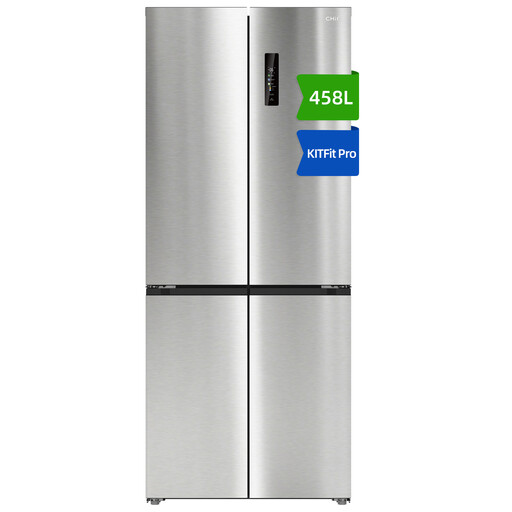
Why This Fits Their Persona: For those who want a sleek, integrated look without the cost of a built-in model. This type, also known as an `American-style fridge`, offers an enormous 458 litres of space and a premium look and feel thanks to its four doors and stainless steel finish.
Many large refrigerators stick out awkwardly. This model features a KITFit Pro True Flush design, allowing it to fit almost seamlessly with your kitchen cabinets with only 4 mm of side clearance. It's large, but in a smart, aesthetic way.
Huge capacity (458 L), quiet (37 dB), and a unique, sleek design. The Care+ Space drawer with adjustable temperature is an added bonus.
We have compiled a complete, up-to-date list of products that fully meet these strict selection criteria and local safety regulations.
The average lifespan of a modern fridge-freezer is between 10 and 15 years. The actual lifespan depends on the brand, the quality of the compressor, and how well the appliance is maintained. Regularly cleaning dust from the back and keeping the door seals clean can extend its life.
For a freestanding fridge-freezer, good ventilation is essential for efficient operation. As a rule of thumb, maintain:
Yes, in the long run. A freezer compartment with an ice layer of just a few millimetres can increase energy consumption by 10% or more. Because a No Frost fridge prevents ice formation, the compressor continues to operate efficiently. This compensates for the slightly higher base consumption of the No Frost system itself, meaning that on balance, you often end up more energy-efficient while also saving a lot of time and effort.
