
Vandaag of morgen in huis

Kwaliteit gegarandeerd

Welkomstaanbiedingen ontgrendelen: GRATIS bezorging | Tot 80% korting | Gratis 30 dagen JoyPlus-proefperiode
Download de app
Choosing a new fridge-freezer seems simple until you dive into the specifications. Manufacturers promise the world with terms like "XXL capacity" and "smart technology." But which features are genuinely useful, and which are just marketing fluff? As a Joybuy Product Recommendation Officer, I'm here to help you separate fact from fiction. We'll look at the pitfalls many buyers fall into and how to choose a model that truly fits your household.
Before we look at models, it's crucial to know the most common missteps. These often lead to you overpaying for features you don't use or ending up with an appliance that is frustrating in practice.
To make a smart choice, you don't need to read a technical manual. There are three key points that make the difference between a good purchase and a bad one.
Since 2021, the energy label has been updated and now runs from A (very efficient) to G (least efficient). An energy-efficient refrigerator with a good label (e.g., C) can save you tens of euros annually compared to an older or less efficient model (e.g., E or F). A refrigerator runs 24/7, so over a lifespan of 10-15 years, those savings add up significantly. The annual consumption in kilowatt-hours (kWh) is always on the label and gives you the most concrete indication of the costs.
A no-frost fridge-freezer is almost standard these days, and for good reason. This technology prevents ice build-up in the freezer section. This means you never have to defrost manually again, saving time and effort. An additional benefit is that an ice-free freezer operates more efficiently and maintains a more constant temperature, which helps preserve the quality of your frozen products.
The noise level is expressed in decibels (dB). Every 3 dB difference represents a doubling or halving of the perceived sound. A quiet fridge-freezer has a value of 38 dB or lower. Models around 35 dB are whisper-quiet and ideal for open-plan kitchens where you live, cook, and eat in the same space. A model of 41 dB or more can be perceived as disruptive.
Based on the criteria above, we have selected a number of models that suit different needs and budgets.
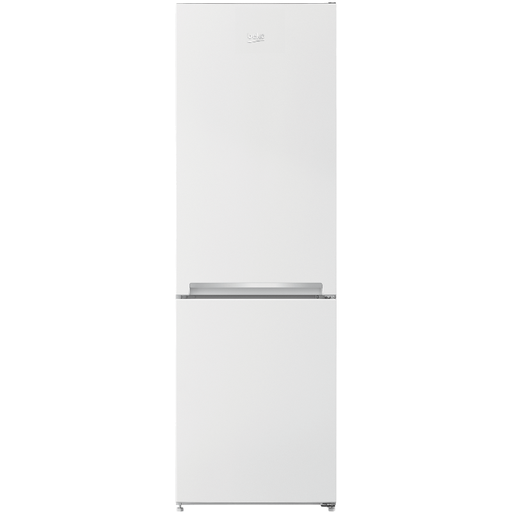
Why This Fits Their Persona: Offers essential No Frost technology and a decent capacity (251L) without the premium price tag. Ideal for one or two-person households looking for a reliable appliance that just does its job.
Focuses on the core feature (No Frost) without expensive, unused extras. The 38 dB noise level is a fair specification for this price range and acceptable for most kitchens.
Full No Frost technology in an affordable model, making defrosting obsolete. The door is reversible for flexible placement.
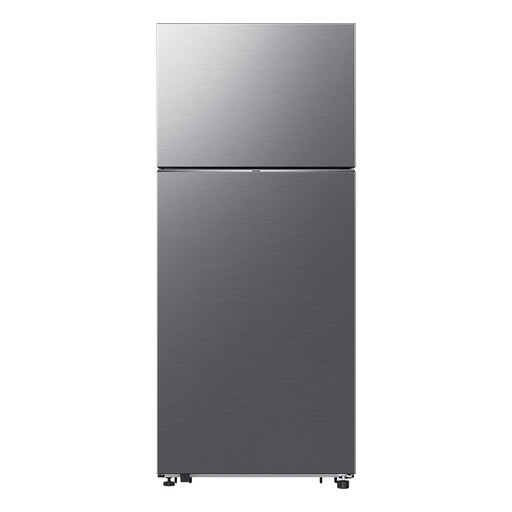
Why This Fits Their Persona: With a very spacious total capacity of 530 litres and an extra-wide design, there's room for a whole family's weekly groceries. The layout is clear and practical.
The net capacity is genuinely huge and practical. The SmartThings connectivity is useful here for energy management, a smart feature that can save money in the long run.
The Twin Cooling Plus system, which Samsung claims prevents odours from mixing between the fridge and freezer and maintains optimal humidity for fresh food.
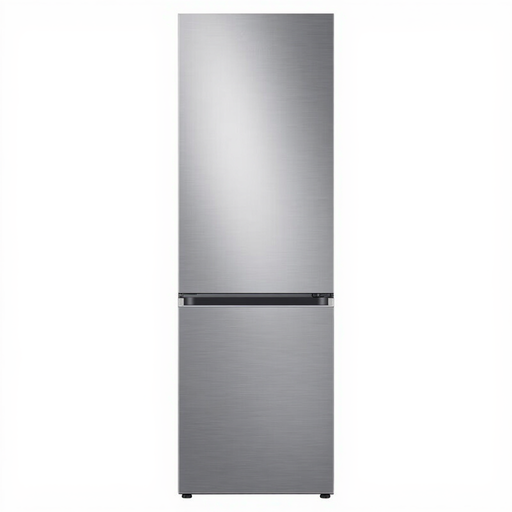
Why This Fits Their Persona: Perfect for a modern, open-plan kitchen. The sleek design of this silver refrigerator and its very low noise level of 35 dB make it almost inaudible.
This is a textbook example of a quiet fridge-freezer. The smart functions via SmartThings are focused on control and efficiency. The C energy class is a tangible, money-saving feature.
Very quiet (35 dB) and energy-efficient (Class C). The Optimal Fresh+ drawer offers flexible storage with two temperature zones for different types of food.
We have compiled a complete, up-to-date list of products that fully meet these strict selection criteria and safety regulations.
A model is generally considered quiet if its noise level is below 38 dB. Appliances with a level of 35 dB or lower are whisper-quiet and barely audible, even in a silent environment. This is an important specification to check if you have an open-plan kitchen or are sensitive to noise.
Yes, for most households, it is. The convenience of never having to defrost manually is a major advantage. Furthermore, the absence of ice ensures more efficient operation, which saves on energy costs. The taste and texture of frozen foods are also better preserved because they don't freeze together and the temperature remains more stable.
The difference can be significant. An average fridge-freezer with energy label E consumes about 235 kWh per year. A comparable model with label C consumes around 163 kWh. That's a difference of 72 kWh. At an electricity price of €0.30 per kWh, you save over €21 per year. Over a lifespan of 10 years, that's more than €200. You often earn back the higher purchase price of a more efficient model.
