
Vandaag of morgen in huis

Kwaliteit gegarandeerd

Welkomstaanbiedingen ontgrendelen: GRATIS bezorging | Tot 80% korting | Gratis 30 dagen JoyPlus-proefperiode
Download de app
Choosing a new fridge-freezer seems simple until you dive into the specifications. Manufacturers make lofty promises with terms like "extra spacious," "whisper-quiet," and "maintenance-free." But in practice, that extra space is often disappointing, and you can still hear the appliance humming at night. Before you buy a refrigerator, it's smart to know what to look for. We've listed the most common pitfalls so you can choose a model that truly suits your needs.
Pitfall 1: The Myth of Total Capacity The specified capacity in litres (e.g., 340 litres) is often the gross capacity. The net, usable space is typically much smaller due to shelves, drawers, and the motor. Therefore, don't blindly focus on the total number; instead, look at the layout and the net capacity of the fridge and freezer sections separately.
Pitfall 2: Not All "No Frost" Is Created Equal The term "no frost fridge-freezer" is one of the most popular search filters, and for good reason. Nobody wants to chip away at ice. But be aware: some models only have No Frost in the freezer compartment, while the fridge section requires manual defrosting. Other systems are "Low Frost," which reduces ice build-up but doesn't prevent it entirely. Always check if the model features Total No Frost for complete maintenance convenience.
Pitfall 3: The Underestimated Noise Level A difference of 3 decibels (dB) may not seem like much, but it actually represents a doubling of the sound. A 38 dB model is noticeably louder than a "quiet fridge-freezer" at 35 dB, especially in an open-plan kitchen. Don't be misled by the term "quiet"; always check the exact noise level in dB.
To avoid buyer's remorse, there are a few specifications you should always check. These determine the ease of use and long-term costs.
Since 2021, refrigerators have a new energy label ranging from A (very efficient) to G (very inefficient). An "energy-efficient fridge" with a C label can save you tens of dollars annually compared to a model with an E or F label. Don't just look at the letter; also check the annual energy consumption in kWh. Multiply this number by your electricity rate, and you'll know exactly what the appliance will cost you per year.
Measure the available space accurately before you order. Remember to allow for extra space at the back and sides for ventilation (usually 5-10 cm). Also, consider which model is most practical for your household. A standard "freestanding fridge with freezer" is practical, but for large families, a wider "American-style fridge" or a model with the freezer on top might offer a better overview.
Besides No Frost, other features can make life easier. Consider:
To help you get started, we've selected a few models that score well on the most important criteria and are suited for different households.
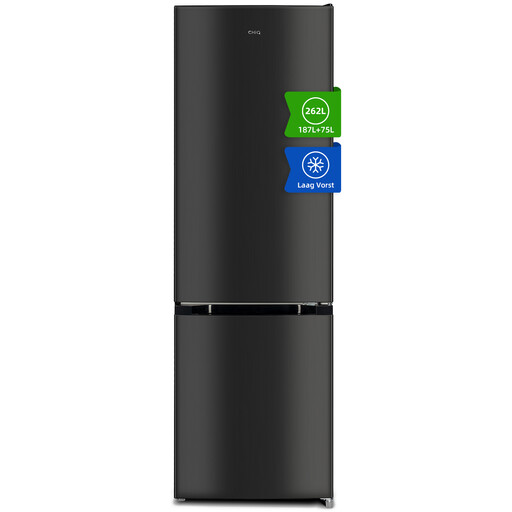
Why This Fits Their Persona: Ideal for one or two-person households looking for a compact, but above all, efficient refrigerator. At 54 cm wide, it fits in almost any kitchen, and its sleek design won't look out of place.
This model is honest about its specifications. It features Low Frost, which means less maintenance than a standard freezer, without the premium price of Total No Frost. The 38 dB noise level is acceptable for this price range.
The main advantage is its energy class C label, which is exceptionally efficient for a model in this price category. This results in direct savings on your energy bill.
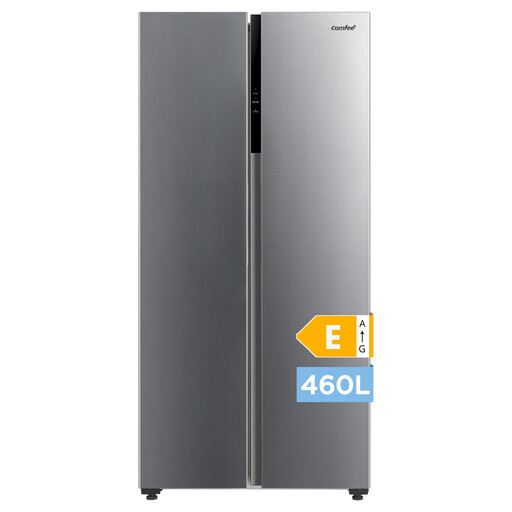
Why This Fits Their Persona: With 460 litres of net capacity, there's more than enough room for a whole family's weekly groceries. The side-by-side layout of this American-style fridge provides a clear overview of both refrigerated and frozen items.
This model delivers what it promises: ample space and convenience. The No Frost technology completely prevents ice build-up. The dual temperature control ensures the fridge and freezer sections operate independently, which prevents odour transfer.
The combination of a large capacity and an inverter compressor is a key advantage. This type of compressor is quieter and more energy-efficient than traditional models and ensures a more stable temperature.
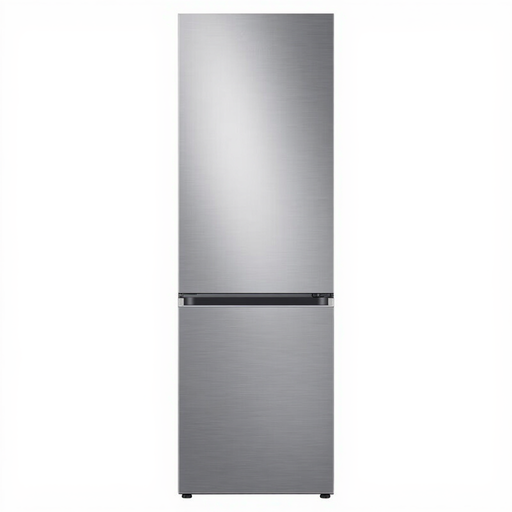
Why This Fits Their Persona: For those with an open-plan kitchen who value quiet, design, and smart technology. This Samsung refrigerator combines a very low noise level with useful features and a sleek, modern look.
With a noise level of just 35 dB, this is one of the quietest models on the market. It fully delivers on the promise of a 'quiet fridge'. The Total No Frost and C-energy label are also concrete, verifiable benefits.
The Optimal Fresh+ and Humidity Fresh+ drawers offer flexible, customized storage. Control and monitoring via the SmartThings app add a layer of modern convenience that perfectly suits a comfort-oriented lifestyle.
We have compiled a complete, up-to-date list of products that fully meet these strict selection criteria and safety standards.
No Frost is a system that completely prevents ice formation in the freezer compartment (and sometimes the fridge compartment) by continuously circulating cold, dry air. This means you never have to defrost manually again. Low Frost significantly reduces ice build-up, but you will still need to defrost the freezer occasionally (about once a year).
This depends on the energy label and size. A modern, energy-efficient fridge-freezer (label C) with a capacity of around 340 litres consumes approximately 160-170 kWh per year. At an electricity price of $0.30 per kWh, this amounts to about $48 to $51 per year. An older model with an F label can easily consume double that amount.
The average lifespan of a fridge-freezer is about 10 to 15 years. The lifespan is influenced by the quality of the components (especially the compressor), maintenance, and intensity of use. Models with an inverter compressor, such as those from Samsung or Bosch, often have a longer lifespan because the motor experiences less wear and tear.
