
Vandaag of morgen in huis

Kwaliteit gegarandeerd

Welkomstaanbiedingen ontgrendelen: GRATIS bezorging | Tot 80% korting | Gratis 30 dagen JoyPlus-proefperiode
Download de app
Choosing a new fridge-freezer seems simple—until you dive into the specifications. Manufacturers make grand promises with terms like 'extra-large capacity' and 'whisper-quiet', but in reality, it often turns out differently. As a Product Recommendation Officer at Joybuy, I see where things go wrong every day. Many choices are based on marketing buzzwords rather than what really matters for a household. Let's go over the three most common pitfalls so you can make a purchase you'll enjoy for years to come.
Pitfall 1: The Misleading 'Large' Capacity A high number of litres on paper doesn't automatically mean a lot of usable space. An awkward layout with fixed, illogically placed shelves can make a 350-litre refrigerator feel smaller than a cleverly designed 300-litre model. You end up paying for volume you can't use.
Pitfall 2: The Myth of 'Always Silent' A noise level of 41 dB is often marketed as 'quiet', but in an open-plan kitchen, this can quickly become disruptive. The difference between 35 dB and 41 dB is significant; every additional 3 dB is a doubling of the perceived sound. A quiet refrigerator is especially important in open-concept living spaces.
Pitfall 3: The 'No Frost' PromiseNo Frost is a fantastic feature that makes manual defrosting obsolete. However, not all systems are created equal. Some budget systems can dry out the air too much, causing unpackaged vegetables to wilt faster. A good system balances humidity and effectively prevents ice formation.
To avoid a bad purchase, it's important to look beyond the marketing. Focus on the objective specifications that directly impact your daily use and your wallet.
Since 2021, refrigerators have a new energy label ranging from A (very efficient) to G (very inefficient). An energy-efficient refrigerator with a current C-label is often more efficient than a model with an old A+++ label.
The most important indicator is the annual energy consumption in kilowatt-hours (kWh). This number, always found on the energy label, tells you exactly what the appliance will cost you in electricity per year. Multiply the number of kWh by your current electricity rate, and you'll know the actual costs.
The noise level is expressed in decibels (dB). For an open-plan kitchen or a home where sound travels easily, this is a crucial factor.
The right choice depends on your kitchen and your household.
Based on objective specifications, we have selected a number of models that suit different needs and budgets.

Why This Fits Their Persona: Ideal for a one or two-person household. This tabletop refrigerator offers enough space for weekly groceries without taking up unnecessary room or energy.
This model tackles the capacity pitfall by providing exactly what's needed. Its 109 litres are efficiently laid out, and the 37 dB noise level is respectable for a compact model.
Energy Class C: Very efficient for its class with an annual consumption of just 89 kWh. Compact size: Fits in any small kitchen, studio, or utility room.
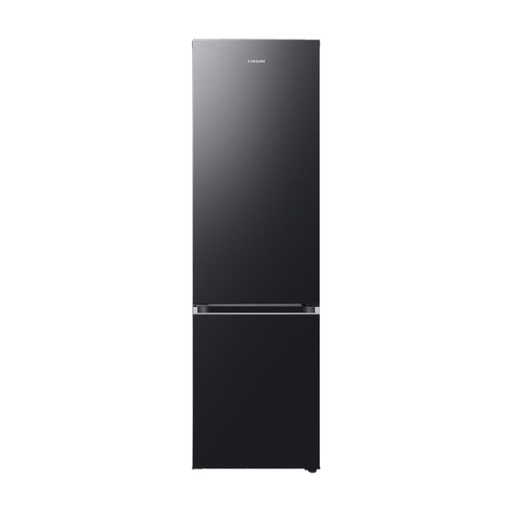
Why This Fits Their Persona: For families who prioritise a low energy bill without compromising on space and modern features. An investment that pays for itself.
Samsung's SpaceMax technology provides more internal space with thinner walls, thus bypassing the 'wasted space' pitfall. The 35 dB noise level is very quiet.
Energy Class A: Extremely efficient with only 108 kWh per year. No Frost+: An advanced system that prevents ice build-up and preserves the freshness of produce.
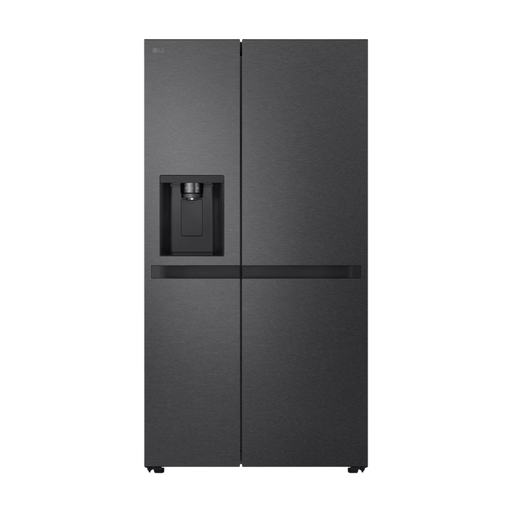
Why This Fits Their Persona: Perfect for large families or those who like to buy in bulk. This American-style refrigerator offers a vast amount of space and the convenience of a built-in water and ice dispenser.
With 638 litres of total, well-organised capacity, there's no issue of wasted space. Despite its size, it's remarkably quiet at 36 dB, avoiding the noise pitfall.
Massive capacity: With 417 litres of fridge space and 221 litres of freezer space, you'll never run out of room. Water and ice dispenser: Chilled water and ice cubes always on hand.
We have compiled a complete, up-to-date list of products that fully meet these strict selection criteria and Dutch safety regulations.
In a refrigerator without No Frost, a layer of ice will form in the freezer compartment over time. You must manually remove this layer 1 to 2 times a year to ensure the appliance continues to operate efficiently. A No Frost system prevents this ice formation by circulating air and removing moisture. This not only saves you work but also ensures a consistently low energy consumption.
This depends on the model and your electricity rate. A very efficient refrigerator (e.g., energy class A or B) can consume around 110 kWh per year. At an electricity price of €0.30 per kWh, this amounts to about €33 per year. An older, less efficient model (class E or F) can easily consume 250 kWh or more, quickly bringing the annual cost above €75. Choosing an energy-efficient refrigerator is therefore a smart investment.
Yes, this is an important step. After transport, the coolant in the compressor needs to settle. Most manufacturers recommend letting the refrigerator stand upright for at least 2 to 4 hours after placement before plugging it in. Always consult the manual for your specific model for the exact waiting time.
