
Vandaag of morgen in huis

Kwaliteit gegarandeerd

Welkomstaanbiedingen ontgrendelen: GRATIS bezorging | Tot 80% korting | Gratis 30 dagen JoyPlus-proefperiode
Download de app
Choosing a new fridge-freezer seems simple until you dive into the specifications. Manufacturers use all sorts of terms that create more confusion than clarity. The result? You pay for features you don't need or end up with an appliance that doesn't fit or constantly hums. As a Joybuy Product Recommendation Officer, I'm here to help you cut through the marketing jargon. Here are the most common pitfalls and how to sidestep them.
Before you start comparing models, it's important to know where things often go wrong. Pay attention to these three points to avoid a bad buy.
no frost fridge-freezer is that you'll never have to defrost again. While this is largely true, there are differences. Some systems only circulate dry air in the freezer section, while others ('Total No Frost') do this throughout the entire appliance. A less effective system can still lead to dried-out food or ice build-up in unexpected places.quiet fridge-freezer at 38 dB. Don't be blinded by the price; always check the noise level.To make a smart choice, focus on a few objective specifications. These determine the long-term performance and running costs.
Since 2021, the energy label runs from A (most efficient) to G. An energy-efficient fridge with a good label is a great starting point, but the annual energy consumption in kilowatt-hours (kWh) is a more tangible figure. You can find this on the energy label. Multiply this number by your electricity rate, and you'll know exactly what the appliance will cost you annually. A slightly more expensive fridge with lower kWh consumption can be more economical in the long run.
The most common variant is the freestanding fridge-freezer. You can place this anywhere there's a power outlet. Accurately measure the niche where the fridge will go. Allow for at least 5-10 cm of extra space at the back and top for ventilation. This is crucial for its performance and lifespan.
In terms of style, there's plenty of choice:
black fridge or a timeless stainless steel fridge.Not everyone has the same needs. That's why we've highlighted a few models that fit specific situations, based on their specifications.
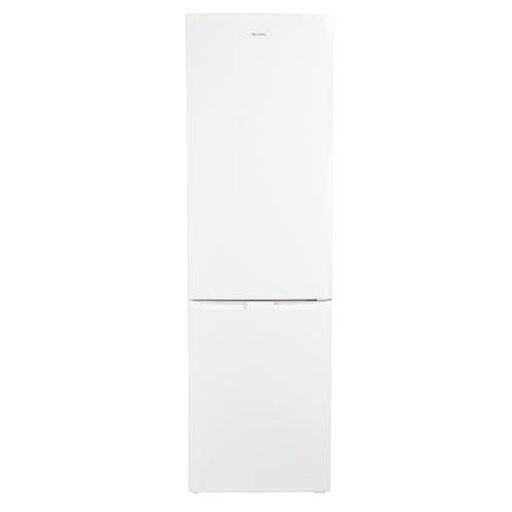
Why This Fits Their Persona: Ideal for one or two-person households looking for a reliable and functional appliance without unnecessary frills. The 253-litre net capacity is more than enough for weekly groceries.
This model focuses on the basics: cooling and freezing. You don't pay for complex features you won't use. The No Frost technology in the cooling section is a practical addition that simplifies maintenance.
The door is reversible, allowing it to fit into almost any kitchen layout. The simple dial control is straightforward and reliable.
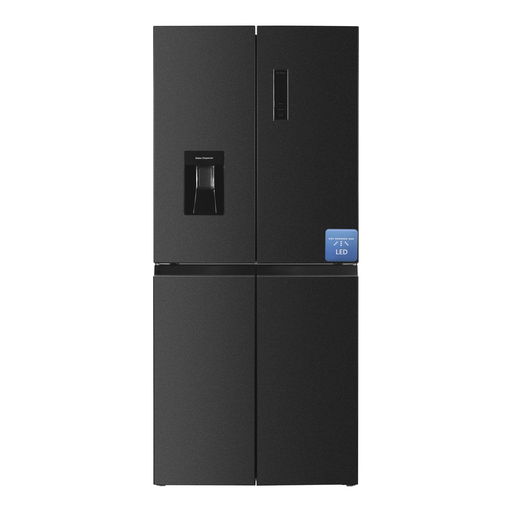
Why This Fits Their Persona: With a net capacity of 419 litres and a smart layout featuring 6 freezer drawers, this model is perfect for families who buy in bulk. The wide shelves provide space for oven dishes and large packages.
The 'Total No-Frost' technology prevents ice formation in both the fridge and freezer sections, meaning you'll never have to defrost again. The 39 dB noise level is relatively quiet for such a large model.
The digital temperature control is precise and easy to operate. According to Frilec, a 5-year warranty is provided, which offers extra peace of mind.
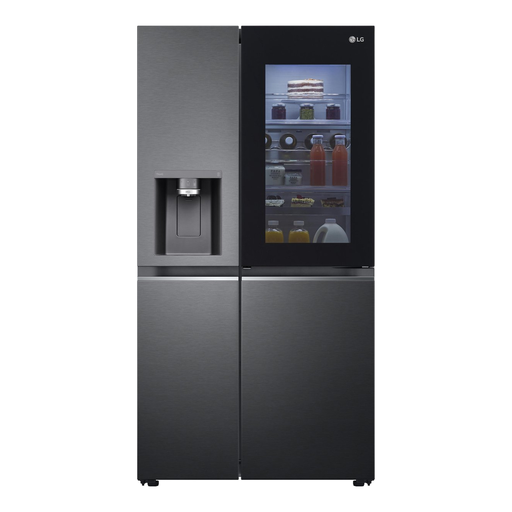
Why This Fits Their Persona: This `American-style fridge` is a statement piece in the kitchen. With 635 litres of capacity, a water and ice dispenser, and smart features, it's made for those who love to entertain and enjoy tech gadgets. The matte black finish is a beautiful addition.
The InstaView door lets you see inside without opening it, which limits energy loss. The Inverter Linear Compressor is quiet (36 dB) and ensures a stable temperature, justifying its advanced features.
The UVnano technology in the water dispenser cleans the nozzle with UV light, which LG claims reduces bacteria. Control via the ThinQ app offers added convenience.
We have compiled a complete, up-to-date list of products that meet these selection criteria and comply with Dutch safety regulations.
No Frost usually refers to a system that only keeps the freezer section ice-free. Total No Frost applies this technology to both the freezer and the refrigerator sections. This not only prevents ice build-up but also ensures a more stable temperature and humidity throughout the entire appliance, which can help keep food fresh for longer.
A freestanding fridge-freezer needs to dissipate its heat. A general guideline is to leave at least 5 to 10 centimetres of space at the back and top. A few centimetres on the sides is often sufficient. Always check the manufacturer's manual for the specific recommendations for your model. Insufficient ventilation can lead to higher energy consumption and a shorter lifespan.
This largely depends on your living situation. In a separate kitchen, a noise level of 40-42 dB is often acceptable. However, if you have an open-plan kitchen or a studio apartment, the constant hum of a refrigerator can be disruptive. A model below 38 dB is considered quiet and can significantly increase your comfort. In that case, the extra cost for a quiet fridge-freezer is definitely worth considering.
