
Vandaag of morgen in huis

Kwaliteit gegarandeerd

Welkomstaanbiedingen ontgrendelen: GRATIS bezorging | Tot 80% korting | Gratis 30 dagen JoyPlus-proefperiode
Download de app
Choosing a new fridge-freezer can feel like navigating a maze of specifications and promises. You're looking for a reliable appliance but are faced with marketing terms that confuse more than they clarify. Before you make a decision, it's crucial to recognise a few common pitfalls that can unnecessarily drive up the cost.
As a Joybuy Product Recommendation Officer, I'm here to help you separate fact from fiction. We won't look at the hype, but at what truly matters for daily use in your household.
The 2 Most Common Pitfalls When Buying a Refrigerator:
Focus on the specifications that actually matter. Don't get distracted by features you'll never use. Here are the three most important factors.
Since 2021, the energy label has been updated, running from A (most efficient) to G. An old A+++ fridge might now have a D or E rating. Don't just focus on the letter; look at the annual energy consumption in kWh. An energy-efficient fridge with a C or D rating can save you dozens of euros per year compared to an older or less efficient model. This is an investment that pays for itself.
The total capacity is expressed in litres. A family of four typically needs a model of around 300 litres or more. However, pay attention to the net capacity: this is the actual usable space. Thick insulation walls or an awkward layout can significantly reduce usable space. Look at the split between the fridge and freezer sections and whether the layout suits your groceries.
The noise level is crucial, especially in a studio or open-plan kitchen.
A freestanding fridge with an inverter compressor is often quieter because the motor runs at a constant, low level instead of repeatedly switching on and off.
Below is a selection of models tailored to different needs, based on their objective specifications.
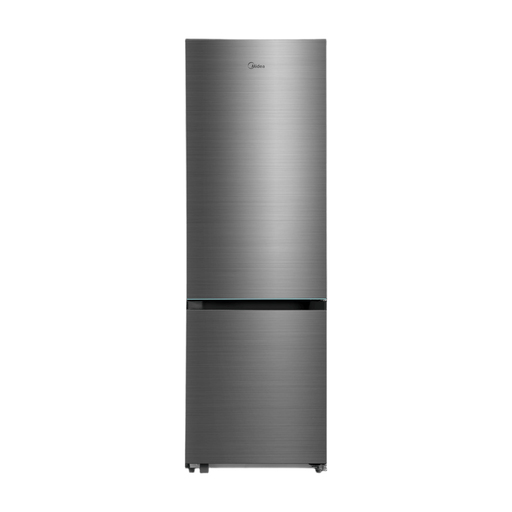
Why This Fits Their Persona: With a total net capacity of 330 litres (232L fridge, 98L freezer), there's plenty of room for a whole family's weekly groceries. The flexible layout makes it easy to keep everything organised.
This model tackles both pitfalls: the noise level of 35 dB is exceptionally quiet for an open-plan kitchen, and the No Frost technology completely prevents ice build-up, meaning you'll never have to defrost manually again.
Spacious and practical layout. Very quiet in operation, ideal for a living kitchen. The reversible door offers placement flexibility.
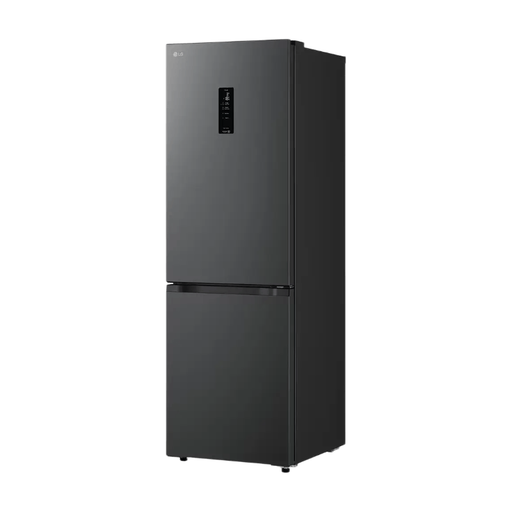
Why This Fits Their Persona: The sleek, matte black finish makes this black fridge an asset to any modern kitchen. With 333 litres, it offers plenty of space while maintaining a refined and minimalist design.
At 35 dB, this model is whisper-quiet. The Inverter Compressor and technologies like DoorCooling+ ensure a stable temperature without noise spikes. Total No Frost makes defrosting obsolete.
Energy Class D is efficient for its size. The combination of design, silence, and advanced cooling technology makes it a solid choice for those seeking quality and aesthetics.
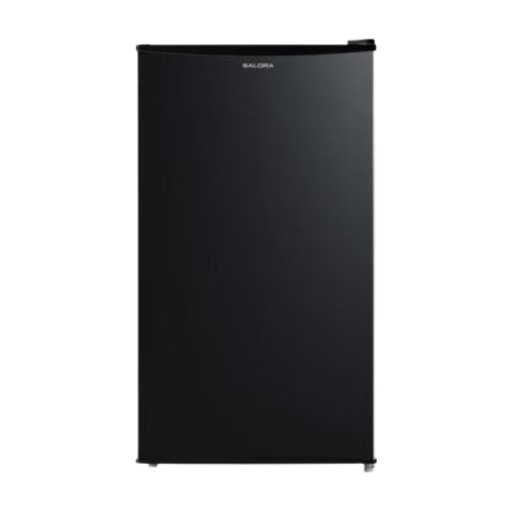
Why This Fits Their Persona: This compact tabletop fridge is ideal for a studio, student room, or as a secondary fridge. With 68 litres of cooling space and a 12-litre freezer compartment, it offers just enough for the basic needs of one or two people.
This model focuses on the essentials: reliable cooling without expensive, unnecessary features. The noise level of 41 dB is acceptable for its price range and size. You're paying for functionality, not marketing.
Very compact and fits almost anywhere. The reversible door simplifies placement. A practical and affordable solution for small spaces.
We have compiled a complete and up-to-date overview of products that meet these strict selection criteria and local regulations.
A good rule of thumb is:
Consider whether you often buy groceries in bulk. In that case, a larger fridge with a freezer compartment is recommended.
A fridge is considered quiet at a noise level of 38 decibels (dB) or lower. This is comparable to a whisper in a library. Models around 40 dB are still relatively quiet but may be audible in a very silent environment. Anything above that can be perceived as disruptive, especially at night.
