
Vandaag of morgen in huis

Kwaliteit gegarandeerd

Welkomstaanbiedingen ontgrendelen: GRATIS bezorging | Tot 80% korting | Gratis 30 dagen JoyPlus-proefperiode
Download de app
A new fridge-freezer is a major purchase for your household. The selection is vast, and marketing promises are often more appealing than reality. Many people fall into the same traps: they choose a model that looks great on paper but disappoints in practice. Before you make a decision, it's crucial to know what to look for. We'll discuss the three most common pitfalls and how to sidestep them.
To avoid a bad buy, it's important to look past the marketing terms and focus on the actual specifications. These are the three most important points to check.
Since 2021, a new energy label for refrigerators has been in effect, running from A (most efficient) to G (least efficient). This label is much stricter than the old system with its A+, A++, and A+++ ratings. An energy-efficient fridge today often has a C or D label. A model with an E-label can still be an excellent choice, especially in a lower price range.
Pay close attention to the annual energy consumption in kWh shown on the label. This provides a concrete indication of the expected costs. Lower consumption is not only better for your wallet but also for the environment.
The noise level of a fridge is expressed in decibels (dB). This might seem like a minor detail, but in an open-plan kitchen or a small home, a noisy fridge can be a constant source of irritation.
Remember that every 3 dB increase represents a doubling of the sound level. A 39 dB model is therefore noticeably quieter than a 42 dB one.
The right technology and type of fridge can make your daily life easier.
Based on objective specifications, we have selected a number of models that suit different households and preferences.
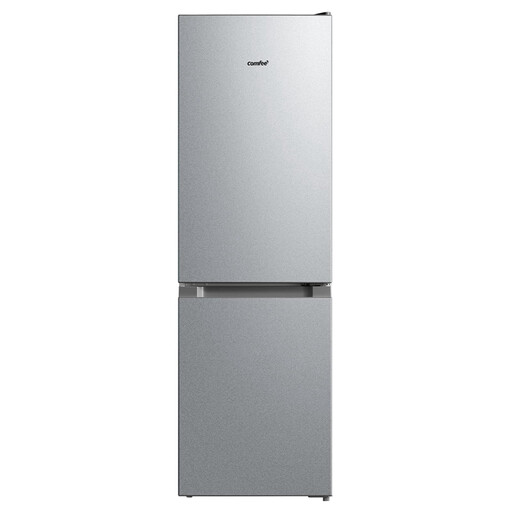
Why This Fits Their Persona: Ideal for one or two-person households. Its compact 150 cm height fits perfectly in smaller kitchens or apartments without compromising on essential features.
This model avoids superfluous, expensive features. The 174-litre capacity is honestly and functionally laid out for basic needs, so you don't pay for unused space.
Low Frost technology significantly reduces ice build-up, a practical compromise for this price point. At 39 dB, the noise level is acceptable for most living spaces.
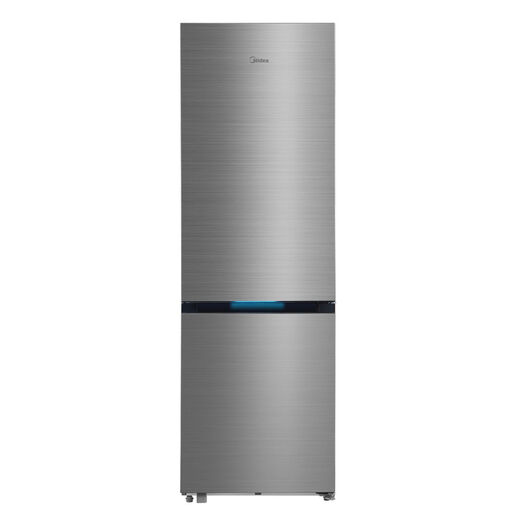
Why This Fits Their Persona: With a very generous 442-litre capacity, there's more than enough room for a whole family's weekly groceries. The flexible layout and special fresh zones help reduce food waste.
This model combines a large capacity with a highly efficient C energy label and a noise level of just 35 dB. It truly delivers the promised efficiency and quietness, unlike many other large models.
Total No Frost (never defrost again) and very low energy consumption (173 kWh/year) save time and money in the long run. The Metal Cooling back panel ensures a more stable temperature.
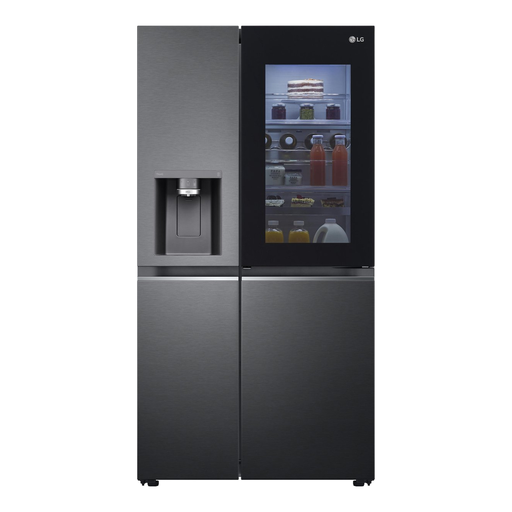
Why This Fits Their Persona: This is a statement piece for the kitchen. A matte black American-style fridge with a massive 635-litre capacity, a water and ice dispenser, and the latest smart features for those who want the best of the best.
The InstaView feature is more than a gimmick. By knocking twice, you can see the contents without opening the door, which reduces cold air loss and thus energy consumption. The features are focused on genuine user convenience.
The combination of InstaView Door-in-Door, the UVnano water dispenser for hygiene, and control via the ThinQ app offers an unparalleled level of convenience and technology.
We have compiled a complete, up-to-date list of products that fully meet these strict selection criteria.
No Frost continuously circulates cold, dry air through the freezer compartment. This completely prevents ice formation, meaning you never have to manually defrost the freezer again. Low Frost significantly reduces ice build-up but still requires you to defrost the freezer about once or twice a year. Low Frost models are often slightly more energy-efficient and quieter than comparable No Frost models in the budget category.
Consumption depends on the size, technology, and energy label. A model with a good label can lead to significant annual cost savings. For reference:
This information can always be found on the product's energy label.
The average lifespan of a fridge-freezer is between 10 and 15 years. This depends on the brand, the quality of the components (like the compressor), and maintenance. Regularly cleaning dust from the back and keeping the door seals clean can extend its lifespan and ensure the appliance continues to operate efficiently.
