
Vandaag of morgen in huis

Kwaliteit gegarandeerd

Welkomstaanbiedingen ontgrendelen: GRATIS bezorging | Tot 80% korting | Gratis 30 dagen JoyPlus-proefperiode
Download de app
Buying a new freezer seems simple, until you get lost in energy labels, vague terms like 'Low Frost', and models that sound like a departing aircraft after just one year. Many marketing promises lead to a purchase you'll later regret, especially when you see your energy bill. As a Product Recommendation Officer at Joybuy, I see where things go wrong every day. We'll discuss the three most common pitfalls and how to avoid them, ensuring you choose a freezer that's a perfect fit for your needs.
Before you pull out your wallet, it's crucial to look beyond the sales pitches. These are the three pitfalls many buyers overlook.
The new energy label (ranging from A to G) is clearer, but the letter grade alone doesn't tell the whole story. A compact freezer with an E rating can consume less power annually than a huge upright freezer with a C rating. The crucial factor is the annual energy consumption in kilowatt-hours (kWh), which is always listed on the label. Compare this number between models of similar capacity to estimate the true long-term costs. A truly energy-efficient freezer has low kWh consumption for its size.
Never having to defrost again sounds ideal, but not every freezer that makes this promise delivers. The market has three systems:
A No Frost freezer is the standard for convenience, but be aware: its effectiveness can vary by brand. If you opt for a cheaper alternative, you might still find yourself needing an ice scraper.
A quiet freezer is not a luxury, especially in an open-plan kitchen or a studio apartment. The noise level is expressed in decibels (dB). A difference of just 3 dB is a doubling of the sound.
Don't ignore this specification; it's a key factor in your home's comfort.
To make the right choice, focus on the specifications that truly matter. These are the three most important factors when buying a freezer.
The first choice is the model. A freestanding freezer offers flexibility, while a built-in freezer integrates seamlessly into your kitchen. The main types are:
Capacity Guidelines:
As mentioned earlier, look beyond the letter grade on the energy label. The annual consumption in kWh is the most important indicator for your wallet. Multiply this number by your current electricity rate (e.g., €0.30 per kWh) to get an estimate of the annual costs. A model that is slightly more expensive at purchase but has significantly lower kWh consumption often pays for itself within a few years.
A No Frost system is a must-have for most households. It not only saves you the tedious chore of defrosting but also ensures a more stable temperature and efficient operation.
Another important specification is the freezing capacity, expressed in kg/24h. This indicates how many kilograms of fresh produce the freezer can fully freeze within 24 hours. A higher capacity (e.g., 10 kg/24h or more) is useful if you often freeze large quantities at once, as this better preserves the quality and freshness of your food.
Based on objective specifications, we have selected several models that suit different needs and budgets.
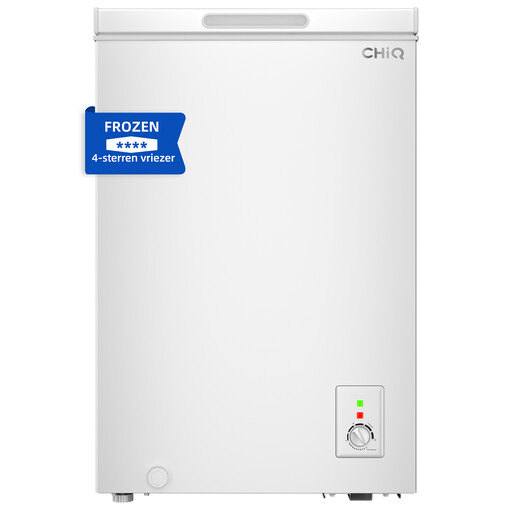
Why This Fits Their Persona: This compact chest freezer is ideal for small apartments, student rooms, or as an extra freezer in the utility room. With 99 litres, it offers enough space for basic stock without taking up much floor space.
Although it has an E energy label, its absolute consumption (169 kWh/year) is low due to its compact size. This keeps the energy bill manageable, avoiding the pitfall of an unexpectedly high cost.
Very compact (occupies just 0.26 m?) and a quiet noise level of 39 dB.
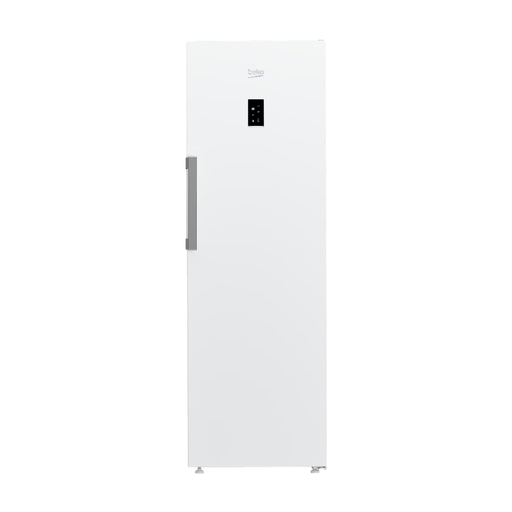
Why This Fits Their Persona: With a very generous 286-litre capacity, this upright freezer is perfect for families who do weekly grocery runs and bulk shopping. The NoFrost technology saves a lot of time and effort, making manual defrosting a thing of the past.
This model combines a low energy bill (energy label C, 160 kWh/year) with whisper-quiet operation (34 dB). This helps you avoid both high energy costs and noise pollution in your kitchen.
Highly energy-efficient (C label) and exceptionally quiet (34 dB), combined with a large capacity and NoFrost.
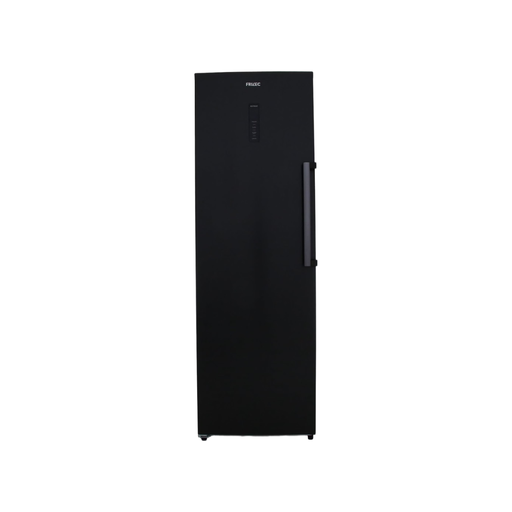
Why This Fits Their Persona: The dark stainless steel finish (Dark Inox) and sleek handle provide a modern, high-end look that fits perfectly in a designer kitchen. Plus, with 274 litres, there is more than enough space.
This model is not just stylish, but also functional. With No-Frost, a quiet 39 dB noise level, and an efficient C energy label (157 kWh/year), it combines design with performance without compromise.
Stylish Dark Inox design, an energy-efficient C-label, and convenient No-Frost technology.
We have compiled a complete, up-to-date list of products that fully meet these strict selection criteria and local regulations.
This depends on the annual consumption (kWh) and your electricity rate. For example: a freezer with a consumption of 200 kWh per year and an electricity price of €0.30 per kWh will cost you €60 per year (200 x 0.30). A model with 160 kWh consumption under the same conditions would cost €48 per year. This difference adds up over the lifespan of the appliance.
Always place a freestanding freezer on a flat, stable surface. Ensure there is sufficient ventilation space around the appliance (usually 5-10 cm on the sides and back) to prevent overheating. Do not place the freezer next to a heat source like an oven, radiator, or in direct sunlight, as this will increase its energy consumption. A cool, dry space such as a utility room or cellar is often a good location.
