
Vandaag of morgen in huis

Kwaliteit gegarandeerd

Welkomstaanbiedingen ontgrendelen: GRATIS bezorging | Tot 80% korting | Gratis 30 dagen JoyPlus-proefperiode
Download de app
Want to buy foundation, but finding it hard to tell the difference between the many shades, finishes and promises? A foundation may look like a good match online, yet disappoint as soon as you apply it. A wrong undertone, overly heavy coverage or a finish that does not suit your skin type can quickly result in a disappointing purchase.
So do not focus only on words such as “glow”, “long-lasting” or “skin-like”. Look at verifiable details such as the formula, shade, coverage, volume and any SPF indication. Below, we outline the key points to consider, with practical product choices for different users.
A shade name such as Ivory, Porcelain or Vanilla does not always tell you enough. The same name can look different from one brand to another. Also pay attention to the undertone:
A foundation in light shades, such as 13N Fair Ivory, 15C Fair Porcelain or CN10 Alabaster, can therefore still look different. Check the product image, shade code and – where available – user photos taken in natural light.
A high-coverage foundation is useful if you want to conceal redness or visible imperfections. For everyday use, however, light to medium coverage may feel more comfortable. Applying too thick a layer can cause product to gather around the nose, under the eyes or in fine lines.
A buildable foundation gives you more control: start with a thin layer and only add more product where needed.
Foundation with SPF can provide an additional benefit, but it does not automatically replace separate sun protection. The level of protection depends partly on how much product you apply and how often you reapply it. Always check the SPF information on the packaging and follow the brand’s usage instructions.
A liquid foundation usually comes in a bottle or tube and can be applied with your fingers, a brush or a sponge. You can often control the coverage very precisely. This type is useful if you want to try different finishes, such as a matte, natural or dewy finish.
A cushion foundation contains the formula in a compact with a sponge and application puff. This makes touch-ups on the go easy. However, it is harder to control the amount of product; first tap off any excess foundation on the lid before continuing.
A matte foundation reduces visible shine and is often suitable for combination or oily skin. A formula that is too mattifying can instead emphasise dry patches on dry skin.
A hydrating foundation or dewy foundation gives you a fresher, more radiant look. This finish often suits normal or dry skin, but can create extra shine on oily skin during the day. A natural finish offers a middle ground.
Look at the coverage description: light, medium, medium to high or high. Also pay attention to words such as waterproof, sweat-resistant or 24-hour wear. These are product claims, not a guarantee for every user. According to Clinique’s own research, for example, Anti-Blemish Solutions Liquid Make-Up stays comfortable for 24 hours; your skin type, preparation and circumstances may affect the result.
For a long-lasting foundation, preparation also helps: cleanse your skin, use a suitable moisturiser and allow your skincare to absorb before applying make-up.
If you are looking for a foundation for acne-prone skin or a foundation for sensitive skin, it is worth checking the full ingredients list. Look out for fragrances, alcohol and any ingredients you have reacted sensitively to in the past. “Non-comedogenic”, “vegan” or “dermatologically tested” are product descriptions; always check which variant the claim applies to.
Apply a new product to a small area of skin first. Stop using it if irritation occurs and follow the safety information on the packaging. Foundation is intended for external use and should not be applied to damaged or inflamed skin where the product information advises against it.
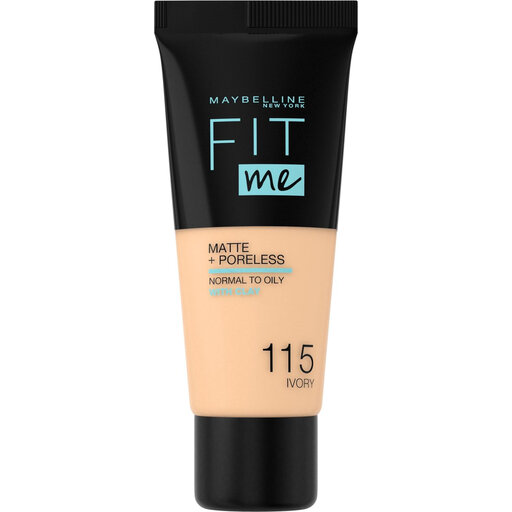
Why it suits this profile: The liquid foundation in shade 115 Ivory is designed to provide light to medium coverage and a matte finish. This makes it practical for everyday use and suitable for anyone looking for a simple first foundation.
The product information clearly states the shade, formula, 30 ml volume and coverage. This means you can compare your options without relying solely on a finish claim.
Matte finish, light to medium coverage, liquid formula and shade 115 Ivory.
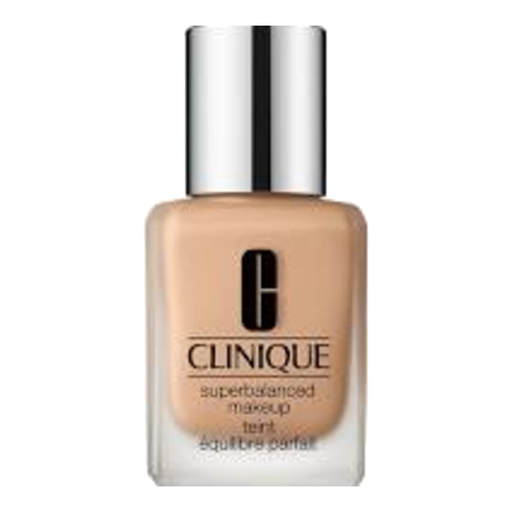
Why it suits this profile: This oil-free liquid foundation is described as suitable for normal, combination and oily skin. The CN62 Porcelain Beige variant is intended for light skin tones and has a natural, radiant finish.
The choice is not based on coverage alone: the product details list the skin types, shade, oil-free formula, fragrance-free properties and non-comedogenic formulation.
30 ml, oil-free formula, light shade CN62 Porcelain Beige and natural finish.
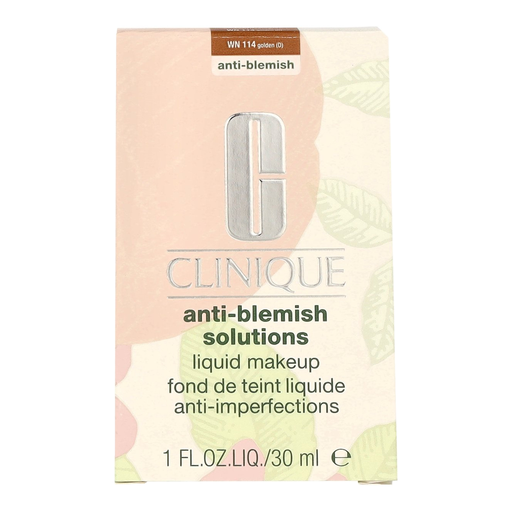
Why it suits this profile: The product details position this formula for oily and acne-prone skin. It offers medium coverage with a natural matte finish, making it potentially suitable for users who want to even out redness and visible imperfections.
The brand description mentions salicylic acid and claims relating to blemishes. According to Clinique’s own research, these are research findings and not a guarantee for every skin type; follow the safety instructions and patch-test carefully first if you have sensitive skin.
30 ml, natural matte finish, medium coverage and, according to the product details, waterproof as well as sweat- and moisture-resistant.
With a matte foundation, a thin layer of translucent powder can help on shiny areas. With a hydrating foundation, less powder is often enough to preserve the dewy finish.
We have put together a complete, up-to-date list of products that fully meet these strict selection criteria and the applicable European safety regulations.
Look for an oil-free formula and a matte or natural finish. A foundation for oily skin does not need to be extremely matte; a buildable, light layer may feel more comfortable throughout the day. Also check whether the product information mentions terms such as sebum control or shine control.
The period after opening is usually shown on the packaging with an open-jar symbol, for example 12M. If the product does not show a clear period-after-opening indication, follow the information on the label. A change in smell, colour or texture, or any irritation, is a sign that you should stop using the product.
That depends on how much you use each time and whether the cushion has a refill. A cushion is convenient for controlled touch-ups. Liquid foundation often gives you more freedom over the amount you use. Therefore, compare not only the price but also the volume in grams or millilitres and the packaging.
