
Vandaag of morgen in huis

Kwaliteit gegarandeerd

Welkomstaanbiedingen ontgrendelen: GRATIS bezorging | Tot 80% korting | Gratis 30 dagen JoyPlus-proefperiode
Download de app
Buying foreign beer online gives you access to Japanese beer, Thai beer, Polish beer and other international flavours that you do not always find in the supermarket. However, an appealing product photo or the term “premium” is no guarantee that a pack will suit your needs. If you focus only on the brand or country of origin, you could end up with too much beer, an unsuitable taste or a product with unclear best-before information.
Use these practical selection points to compare beer based on verifiable information: alcohol percentage, volume, packaging, beer type and ingredients.
A well-known brand may be available as a single bottle, four-pack, beer gift set or crate. The price per pack may look attractive, but the volume per bottle and the total volume can vary considerably. Therefore, always compare:
A crate of 24 x 330 ml is not the same as 24 x 500 ml. With beer sold by the bottle, you may pay more per litre, but you can try different styles without immediately building up a large stock.
Words such as “smooth”, “fresh”, “premium” and “authentic” are often descriptions taken from the product information or the brand’s marketing. They do not provide an objective measure of flavour. Instead, look at the beer type, alcohol percentage and ingredients.
A lager is generally a logical choice if you are looking for an accessible, thirst-quenching profile. A stout often has a darker character and is better suited to lovers of roasted malt flavours. An IPA can come across as noticeably more bitter and fruitier. The precise flavour will still depend on the recipe, serving temperature and personal preference.
Beer should be stored somewhere cool and out of direct sunlight. Check the seal on delivery and consult the packaging for the best-before date. A damaged cap, crown cap or seal is a reason not to consume the product. Also avoid large temperature fluctuations, especially when ordering beer by the crate or in a beer gift set.
Check the alcohol percentage before ordering. The range includes lagers of around 4.7–5.6%, as well as stronger options such as stout at 7.2% or 7.5%. A higher percentage does not automatically mean that the flavour will suit your preferences. It does, however, partly determine how much alcohol you consume.
For a meal, barbecue or party, a 330ml bottle can be practical. If you want to compare different flavours at your leisure, a mix of individual bottles or a small beer gift set is more convenient than immediately buying a large crate.
Use the beer style as your first filter:
Also pay attention to allergens. Products such as Kirin, Singha, Tyskie and Guinness list barley or other gluten-containing grains. Always read the label, especially if you have allergies or intolerances.
The country of origin can help you discover a particular beer culture, but it is not a substitute for the technical product details. Japanese beer such as Kirin, Sapporo and Asahi is offered in the range in bottles or multipacks of around 330 ml. Thai beer includes Singha, LEO and Chang. Polish beer, for example, includes Tyskie and Żywiec Białe.
Before checking out, check whether you are choosing individual bottles, a 4-pack, 6-pack or box of 24 items. This prevents you from ordering too little for a party or being left with more stock than you want after placing a trial order.
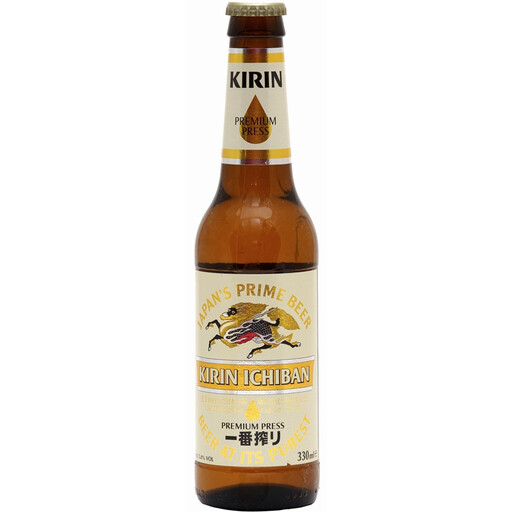
Why it suits this profile: The single 330 ml bottle makes it easy to try Japanese beer without immediately ordering a large box. The product information lists 5.0% alcohol and ingredients including water, barley malt, yeast and hops.
You can immediately see the volume per bottle and the alcohol percentage. This makes your choice less dependent on general terms such as “authentic” or “light”.
330ml bottle; 5.0% alcohol; clear ingredient information listing barley as an allergen.
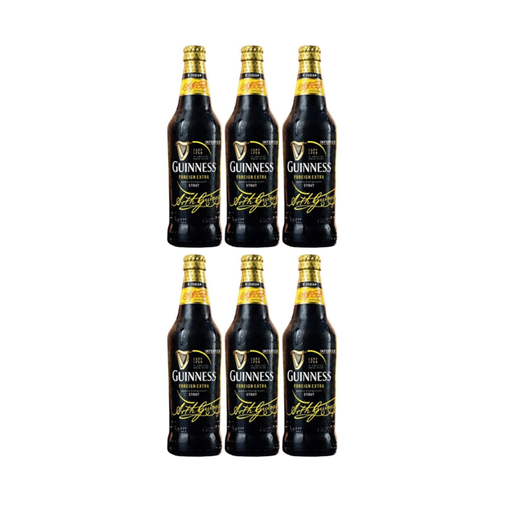
Why it suits this profile: If you are deliberately choosing a stronger stout, you get six 325 ml bottles with a stated alcohol percentage of 7.5%. The product description mentions roasted malt, coffee and chocolate notes.
The type, bottle volume and alcohol percentage are clearly stated. This helps prevent a dark beer style from being confused with a lager.
6 x 325 ml; 7.5% alcohol; stout with a fuller flavour profile according to the product description.
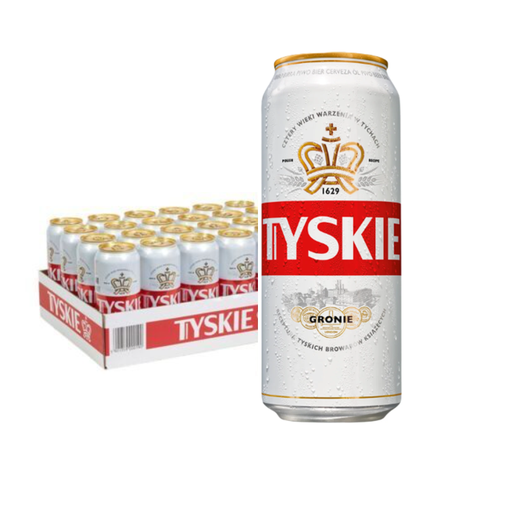
Why it suits this profile: For a party, barbecue or regular use, this pack offers 24 bottles of 500 ml. The product information lists 5.6% alcohol and a lager profile with hop, caramel and fruity notes.
The total quantity and bottle size are clearly stated in the product name. This makes it easier to estimate your stock requirements and price per litre in advance.
24 x 500 ml; 5.6% alcohol; suitable for larger social occasions.
We have compiled a complete, up-to-date list of products that fully meet these strict selection criteria and the applicable European safety regulations.
That depends on the packaging, delivery costs and total quantity. A single bottle may be more expensive per litre, while a crate or multipack reduces the price per bottle. Always compare the total volume, not just the price shown on the product page.
The relevant best-before information is shown on the packaging. Store beer somewhere cool and dry, away from direct sunlight. Avoid temperature fluctuations and do not use a bottle if the seal is damaged on delivery.
According to the product descriptions, Singha, LEO and Chang are among the beers that pair well with spicy Asian dishes. A stout such as Guinness or Trio Extra Stout may be a better match for hearty dishes. If you are unsure, start with lager in 330ml bottles and then try other styles, such as IPA or weisse. Alcohol is intended for adults only; drink responsibly and do not drive after drinking alcohol.
