
Vandaag of morgen in huis

Kwaliteit gegarandeerd

Welkomstaanbiedingen ontgrendelen: GRATIS bezorging | Tot 80% korting | Gratis 30 dagen JoyPlus-proefperiode
Download de app
A fish dish can quickly turn out too salty, too spicy or simply bland. The cooking method isn’t always to blame. Often, a product is chosen because of its eye-catching packaging, while the ingredients, allergens and instructions get less attention. This guide will help you choose between fish seasoning, fish sauce and ready-made Asian sauces.
Fish sauce is concentrated, so salt or sodium often appears high up on the label. According to the product information, Cacom-B Fish Sauce contains anchovy extract, salt and sugar, and has a high sodium content. Three Crabs Brand Fish Sauce is made with 49% anchovy extract and also contains a significant amount of sodium.
That doesn’t mean you need to avoid these products. Use them as a seasoning in small amounts, and only add extra salt later if needed. In marinades, soups and dips, one teaspoon may be enough for a pan or bowl.
Not all fish sauces are the same. A Thai fish sauce such as Nam Pla adds a salty, savoury umami flavour to curries, salads and dips. A Chinese steamed fish soy sauce is milder and often slightly sweet. It works better with steamed fish, prawns and light stir-fries.
Fish seasonings also vary considerably. A dry seasoning mix is handy for fish fillets cooked in a pan or oven. Sichuan sauce is intended for a dish made with stock, oil, chilli and spices. So start by thinking about what you want to cook.
Traditional fish sauce contains fish, usually anchovies. Soy sauce for steamed fish often contains soya and wheat, while some Sichuan mixes also contain mustard, sesame, sulphites or broad beans. Always check the packaging and the latest product information.
Vegan fish sauce is a separate product category. According to its product description, Squid Vegan Fish Sauce is made with kombu and shiitake extract and is intended as a plant-based alternative. If you have an allergy, still check the label and any cross-contamination warnings.
For a simple dish, familiar ingredients in a seasoning mix include salt, pepper, onion, garlic, paprika, oregano and parsley. Basak Fish Seasoning contains, among other ingredients, ground red chilli, onion powder, black pepper, oregano, bay leaf and parsley. The mix also contains a flavour enhancer and citric acid.
If you want more control over the flavour, choose individual herbs and spices for fish or a mix with a short ingredients list. For an Asian dish, look for ingredients such as chilli, ginger, garlic, Sichuan pepper, soy sauce or rice wine.
A jar of dry fish seasoning is suitable for several simple meals. A complete sauce mix is more convenient when you want to make a specific dish. Check the recommended weight of fish and the amount of water or oil required. This helps prevent a concentrated sauce from becoming too strong.
For example, Bai Jia Condiment Spicy Fish is a set containing a sauce sachet, a powder sachet and dried chilli. The product information describes a method using around 500 grams of fish and approximately 800 ml of water. It’s therefore more of a base for a complete Sichuan-style dish than an all-purpose dry seasoning mix.
Check the following before buying:
Store an opened bottle of fish sauce or steamed fish sauce according to the label. For example, Qianhe Steamed Fish Soy Sauce states that it should be refrigerated after opening and used within the recommended period to maintain its quality.

Why it suits this profile: A dry mix is easy to measure out for fish fillets cooked in a pan, oven or air fryer. You won’t need a separate sauce or marinade.
The product information lists the main herbs and spices and states that the mix contains none of the 14 major EU allergens. Always check the latest packaging, though.
100 grams of seasoning; contains red chilli, onion, black pepper, oregano, bay leaf and parsley, among other ingredients.
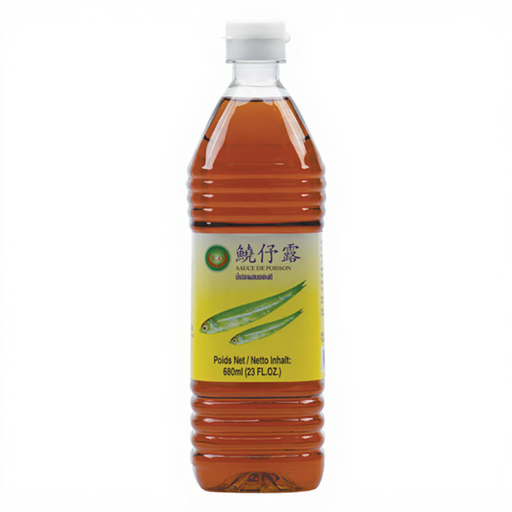
Why it suits this profile: Ideal if you often cook Thai or South-East Asian dishes and want a larger bottle for soups, dips and marinades.
The product information specifically highlights its high sodium content. This makes it easier to measure out the sauce sparingly instead of adding extra salt.
680 ml; contains 65% anchovy extract and, according to the product information, is intended for soups, stews, marinades and dips.
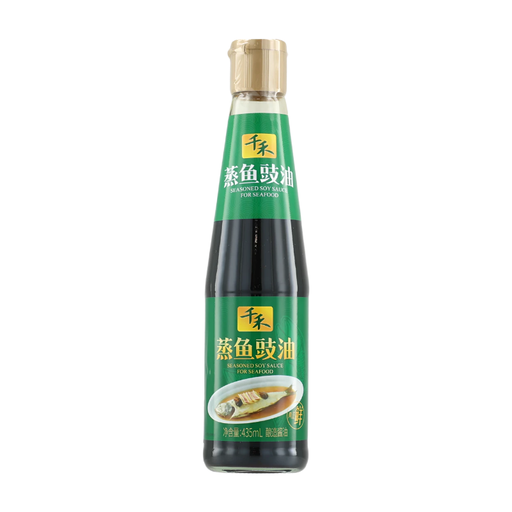
Why it suits this profile: Made for Chinese and Cantonese dishes featuring steamed fish, prawns or shellfish. The sauce is ready to use as a topping or dip.
It’s clearly described as a sauce for steamed fish and light stir-fries, so there’s no need to adapt a general-purpose stir-fry sauce.
435 ml; brewed soy sauce containing soya and wheat; according to the product information, refrigerate after opening.
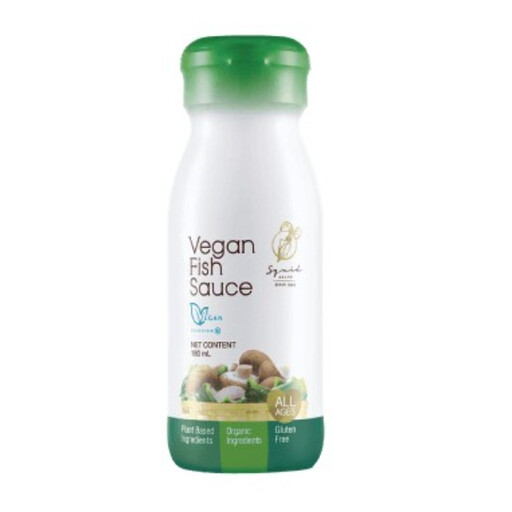
Why it suits this profile: A plant-based alternative to fish sauce for Thai curries, stir-fries, salads and dips.
The product description lists kombu and shiitake extract instead of fish, and states that it has vegan certification. Check the latest packaging if you have dietary requirements or allergies.
180 ml; according to the product information, vegan, gluten-free and free from MSG, colourings and preservatives.
We’ve put together a complete, up-to-date list of products that meet these strict selection criteria and current European safety requirements.
Fish sauce is a salty liquid seasoning made from fish or a plant-based alternative. Fish seasonings are usually dry and contain a blend of spices, herbs, salt and sometimes flavour enhancers. Use fish sauce mainly in dips, soups, curries and marinades. A seasoning mix works well with fish cooked in the oven, pan or air fryer.
Start with a small amount, such as half to one teaspoon per portion, and taste after mixing or cooking. Don’t add extra salt until the fish sauce has been mixed in. In a marinade, you can dilute the sauce with lime juice, water, oil, sugar or other ingredients from the recipe.
Choose a product clearly labelled as vegan and check the ingredients list. A plant-based product made with kombu and shiitake, such as Squid Vegan Fish Sauce, can be used instead of traditional Thai fish sauce. Bear in mind that while a vegan sauce provides a salty umami flavour, its aroma may differ from that of anchovy-based fish sauce.
