
Vandaag of morgen in huis

Kwaliteit gegarandeerd

Welkomstaanbiedingen ontgrendelen: GRATIS bezorging | Tot 80% korting | Gratis 30 dagen JoyPlus-proefperiode
Download de app
Buying film seems simple, until you find yourself with a roll that’s too narrow, doesn’t stick properly or starts coming away after a few days. Refreshing a piece of furniture calls for a different material from decorating a window, covering a floor or storing food. So don’t just focus on colour and price: consider the intended use, dimensions and fixing method.
Here are three common pitfalls:
First, decide what you’ll use the film for. This helps you avoid buying a product that isn’t technically suitable for the job.
PVC is a commonly used material for furniture film and decorative window film. It can be moisture-resistant and wipe-clean, but properties vary from one product to another. So check the product description rather than relying on the word “PVC” alone.
With window film, it’s important to know whether it’s self-adhesive or static cling. Self-adhesive film may hold more firmly, while static cling film is applied without adhesive and can generally be repositioned. According to the Murgall film’s product description, it’s applied to smooth glass using water.
Measure the surface in several places. Windows, doors and furniture aren’t always perfectly straight. Allow some extra length for trimming, but avoid unnecessary overlap.
For example, a roll measuring 500 x 90 cm covers a different area from a roll measuring 60 x 508 cm. Rolls several metres long can be appealing for a large renovation project, but check that you can unroll and store them easily, too.
For protective film, both width and length matter. A roll measuring 2.60 x 27 metres can cover larger pieces of furniture or floor areas more quickly than a narrow household roll.
A smooth, clean and dry surface is essential. Remove dust, grease and loose paint before you start. For static window film, wet application, as recommended in the product information, helps you position the film and push out air bubbles.
Also check:
A manufacturer or seller may describe how a product performs, but don’t treat marketing claims as a guarantee for every situation. According to information provided by the brands themselves, properties such as UV resistance, tear resistance and water repellency can vary depending on the conditions of use.
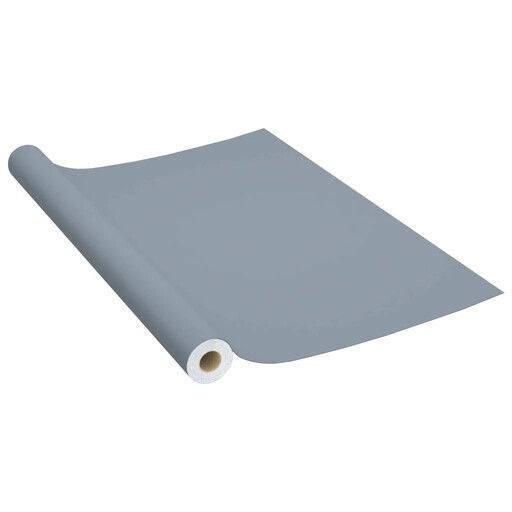
Why it suits this profile: The roll is 5 metres long and 90 cm wide, making it useful for a piece of furniture, a door or several smaller, smooth surfaces. Its opaque grey finish is ideal for a simple makeover without painting.
The product description clearly states that the surface must be smooth, dust-free and grease-free. This makes it easier to tell in advance when this film may not be suitable.
PVC material, can be cut to size, moisture-resistant according to the product information, and wipe-clean with a damp cloth.
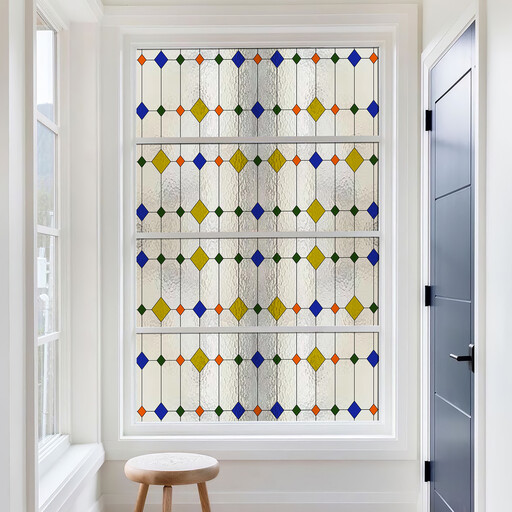
Why it suits this profile: This static cling window film is designed for anyone looking to combine window decoration with privacy. The diamond pattern is suitable for smooth windows, glass doors and glass panels.
No adhesive is needed. According to the product description, the film can be applied with water, repositioned and removed without leaving adhesive residue.
Textured finish, 508 cm length, wipe-clean surface and static cling for smooth glass.
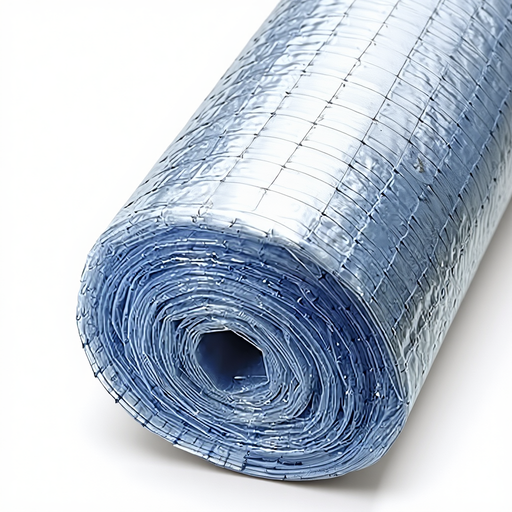
Why it suits this profile: This wide roll is designed for larger covering jobs, such as protecting garden furniture, stored materials, floors and furniture during maintenance or painting.
The product details specify an internal plastic reinforcement, so you don’t have to rely on thin, unreinforced film when covering larger areas.
Measures 1.8 x 50 metres, made from transparent polyethylene, with internal reinforcement; described as waterproof and reusable in the product information.
We’ve put together a complete, up-to-date list of products that meet these strict selection criteria and the applicable European safety requirements.
For food, choose a product such as cling film whose packaging states that it’s suitable for that use. For your car, car wing mirror film is a specific solution for mirror glass; always check that the film is intended for your type of mirror and the conditions in which you’ll use it.
Self-adhesive PVC furniture film is a practical choice for smooth, clean surfaces. First, measure the width and length of the furniture and check that the film is opaque enough to cover the existing colour.
Often, it can be repositioned during application because static cling window film doesn’t have a permanent adhesive layer. The exact method varies by product. According to the Murgall film’s product information, it can be positioned using water and removed.
Work out the surface area and allow extra for trimming. If the film has a pattern, such as decorative window film, you’ll need extra material to line up the design neatly. Then compare not just the price per roll, but also the price per square metre and the amount of waste you expect.
