
Vandaag of morgen in huis

Kwaliteit gegarandeerd

Welkomstaanbiedingen ontgrendelen: GRATIS bezorging | Tot 80% korting | Gratis 30 dagen JoyPlus-proefperiode
Download de app
Buying espresso coffee seems simple until you have to choose between capsules, beans, ground coffee, instant espresso coffee and coffee concentrate. Packaging covered in words such as “intense”, “Italian” or “rich crema” does not always tell you much about the flavour in your cup. A keenly priced multipack can also be impractical if your coffee machine does not support the capsules.
This buying guide helps you distinguish marketing terms from verifiable product information. That way, you can make a more informed choice for home, the office or when you are out and about.
An intensity score usually describes the coffee’s flavour impression, roast level or body. It is not a fixed measure of the amount of caffeine. A dark roast can taste powerful and bitter, while an Arabica coffee has a softer profile. If you are looking for strong coffee, it is therefore worth considering the blend, roast and preparation method too.
Not every capsule fits every espresso machine. Before buying, check whether the packaging refers to Nespresso-compatible capsules, L’OR machines, Dolce Gusto or another system. “Compatible” also does not automatically mean that every machine function is supported. So check the exact type of appliance and the recommended capsule shape.
A 500 g pack of coffee beans may seem good value, but beans lose their aroma more quickly after opening than an individually wrapped capsule. Ground espresso coffee is practical for a portafilter machine, but requires a good seal and the right grind. With coffee concentrate, you need to consider the number of servings, the recommended dilution and any added sugar or flavourings.
First, choose the format that suits your daily routine:
Please note: the term “espresso” on the packaging does not always mean that the product needs to be prepared with an espresso machine.
Arabica coffee is often associated with milder, fruity or aromatic notes. Robusta coffee can provide a fuller, spicier profile and more body. A blend of Arabica and Robusta is worth considering if you are looking for full-bodied, strong coffee with a pronounced crema experience.
This is only a general indication of flavour, not a guarantee. According to Lavazza’s product description, the Espresso Maestro Ristretto blend consists of Arabica and Robusta and has an intensity of 12/13, with chocolate and caramel notes. Check the ingredients list and the information on the packaging before buying.
Do not compare only the number of items. Also check the weight per capsule or sachet and the stated number of servings. In addition, look for:
Do not store coffee next to a hob or in a damp cupboard. Ideally, use opened ground coffee and beans within the period stated on the packaging.
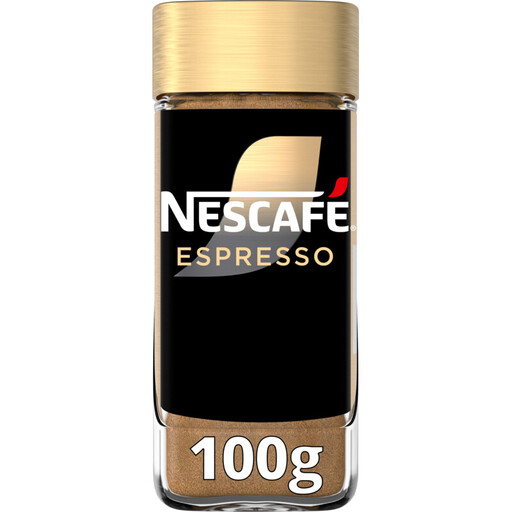
Why it suits this profile: A jar of instant espresso coffee does not require a capsule or portafilter machine. According to the product description, it makes approximately 55 servings, with 60 ml of hot water recommended.
You are not paying for a capsule format that may not fit your machine. The serving information makes it easier to compare products.
100% selected Arabica according to the product information; store in a closed jar in a cool, dry place.

Why it suits this profile: For users with a fully automatic machine who want to set the grind and strength themselves. According to Lavazza, this is 100% Arabica with an intensity of 6/10.
The intensity score gives you a more specific point of comparison than a marketing term such as “powerful”.
500 g of coffee beans; 100% Arabica according to the product information; suitable for espresso and lungo.
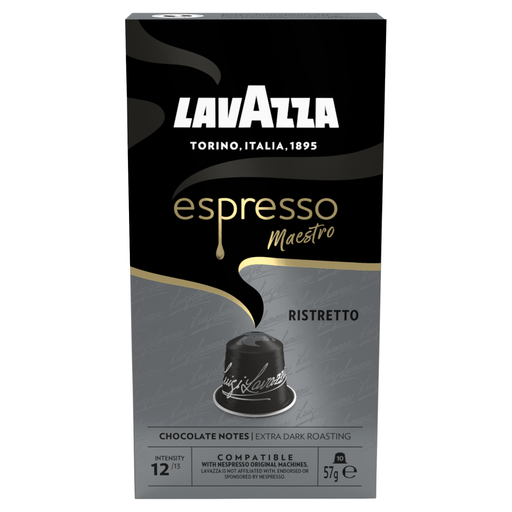
Why it suits this profile: Convenient for households or offices with a Nespresso machine where you are looking for a distinctive ristretto. According to Lavazza, the blend consists of Arabica and Robusta.
The capsule format and machine compatibility are clearly stated in the product description. Still, check this against your model.
10 capsules per pack; intensity 12/13 according to the product information; chocolate and caramel notes.
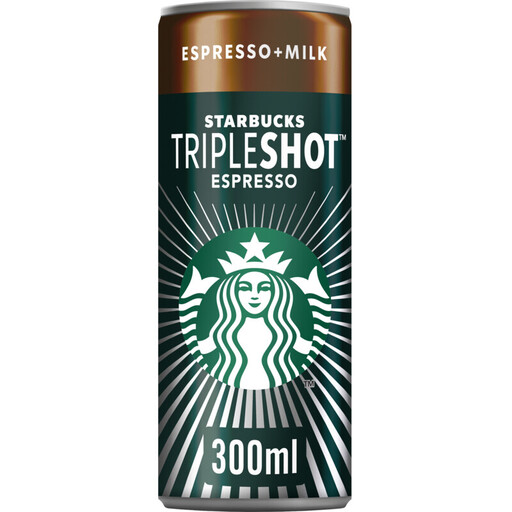
Why it suits this profile: A ready-to-drink option for when you are out and about or taking a chilled coffee break. The drink contains milk and must be refrigerated after opening.
There is no need to combine separate espresso, ice cubes and milk. However, check the milk allergens and sugar content.
300 ml per bottle; Arabica according to the product information; 47 mg of caffeine per 100 ml according to the stated nutritional information.
We have put together a complete, up-to-date list of products that fully meet these strict selection criteria and the applicable European safety regulations.
Choose capsules that explicitly state they are suitable for Nespresso or Nespresso classic. Also check your appliance model. Coffee beans and ground espresso coffee are not suitable for a capsule machine without additional equipment.
This varies depending on the format. Individually wrapped capsules and sachets are generally better protected against air and moisture. Store opened beans, ground coffee and instant coffee according to the label: usually somewhere cool, dry and dark, in a tightly sealed container. The date on the packaging remains the best guide.
Yes, coffee concentrate can be diluted with cold water, milk or a plant-based drink. Check the recommended ratio and ingredients. Some varieties contain sugar, flavourings or sweeteners. Only add ice after mixing the concentrate according to the instructions.
