
Vandaag of morgen in huis

Kwaliteit gegarandeerd

Welkomstaanbiedingen ontgrendelen: GRATIS bezorging | Tot 80% korting | Gratis 30 dagen JoyPlus-proefperiode
Download de app
Buying electronics and household products online seems straightforward, until key details are missing or marketing claims overshadow the specifications. A low price means little if a television doesn’t suit your viewing distance, an accessory isn’t compatible with your device or a kitchen product proves awkward to use every day.
The most common pitfalls are:
When buying electronics, first check the exact model, connection standard and operating system. When buying a smart TV, look at details such as the HDMI version, eARC, Wi-Fi, tuner and available apps. A TV with HDMI 2.1 could be a good choice for gaming, but also check which HDMI ports actually support 4K at a higher refresh rate.
For a QHD monitor, resolution, refresh rate and the DisplayPort or HDMI version are important. A screen with 2,560 × 1,440 pixels can produce a sharp picture, but your computer also needs to support that resolution at your chosen refresh rate. With an ultrawide monitor, you’ll also need to consider desk width, VESA compatibility and ergonomic adjustment options.
The same applies to accessories. An Epson toner waste container must be compatible with the correct AcuLaser series. Before buying, check the full printer model, not just the brand.
A higher figure isn’t automatically more useful. For a 4K QLED TV, relevant features include panel type, HDR support, contrast, viewing angle and brightness. Also check the actual refresh rate: the Hisense 55E79Q PRO product specifications list a standard refresh rate of 60 Hz, while a higher Game Mode refresh rate is also stated. The difference may depend on the input and settings selected.
For car accessories such as H8 H9 H11 LED headlights, check which bulb fitting your car uses. Claims such as “suitable for 99% of vehicles” come from the brand’s product information and don’t guarantee compatibility with your specific model. Also check the beam pattern, CANbus compatibility, error messages and local regulations. A bulb that fits physically isn’t automatically suitable for use on public roads.
Measure the available space before buying. This applies to fridges, monitors, projection screens and kitchen appliances. A fridge with a capacity of 331 litres also needs enough ventilation space and a surface that can support its weight.
For an induction cookware set, check that every pan is suitable for induction and find out which materials have been used. Also look at the base diameter, care instructions and the heat resistance of the handles and lids.
For fridge organisers, dimensions, load capacity, stackability and cleaning are important. The 5five set consists of three clear containers measuring 30.5 × 21 × 9 cm. They have handles and are dishwasher-safe according to the product information, but they aren’t stackable.
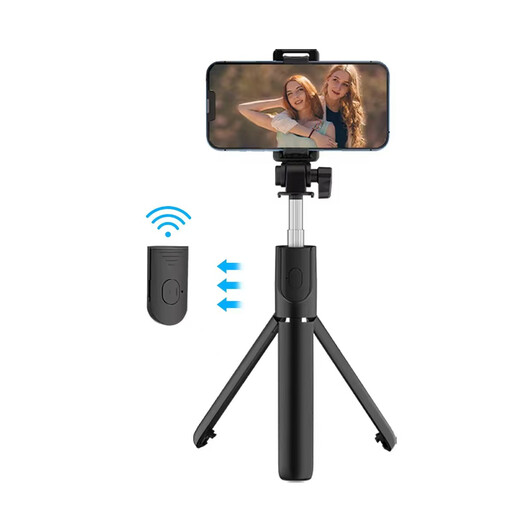
Why it suits this user: The extendable stand, Bluetooth remote and two lights make this a practical choice for beginners taking photos or videos without an extra camera tripod.
The maximum length of around 193 cm, phone size limit of 6 inches and Bluetooth controls are clearly stated. Just check that your smartphone is within the size limit.
The remote has a range of around 10 metres. The stick weighs 340 grams and is compatible with iOS and Android.
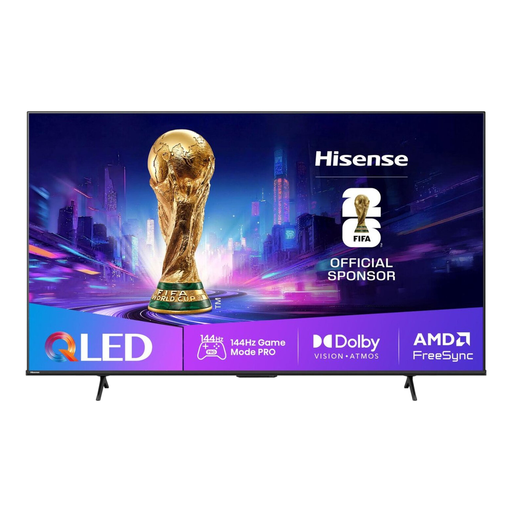
Why it suits this user: This TV combines 4K resolution, QLED technology, Dolby Vision IQ and HDMI 2.1 features. It’s a good option for film fans and gamers who want to compare several specifications.
The specifications list the standard refresh rate of 60 Hz separately from the higher Game Mode refresh rate. This makes it easier to distinguish the claim from the standard setting.
55 inches, 3 HDMI inputs, HDMI 2.1, VRR support and VIDAA as the smart TV platform.
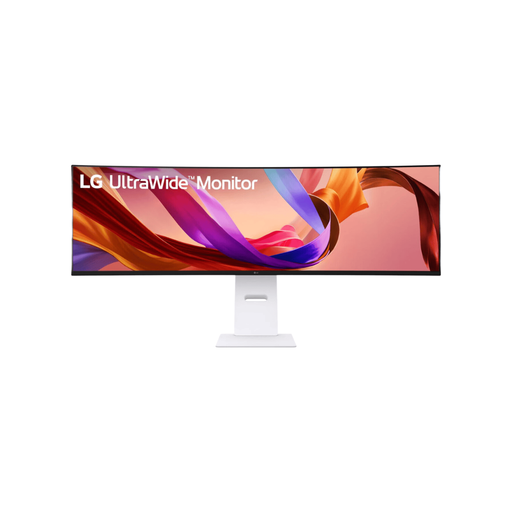
Why it suits this user: People working from home and gamers who want to keep several windows open side by side can make the most of the 32:9 format and DQHD resolution.
The product information gives both the 5120 × 1440 resolution and the required DisplayPort and HDMI connections. Check that your computer supports this combination.
49 inches, 144 Hz, 5 ms response time, USB-C with up to 90 W power delivery and VESA 100 mm support.

Why it suits this user: This compact countertop model is a handy option for households that occasionally need extra ice but don’t want to make room for a large appliance.
The 1.5-litre water capacity, noise level below 50 dB and dimensions of 35 × 23 × 30 cm are all stated. This helps you estimate the space needed and running costs in advance.
Two ice sizes, a 30-minute automatic cleaning cycle, a basket and a scoop.
We’ve put together a complete, up-to-date list of products that meet these strict selection criteria and current European safety regulations.
First, compare the exact product specifications, connections, dimensions and warranty terms. Then consider whether the device suits the way you’ll use it: streaming, gaming, working from home, cooking or occasional use. When buying accessories, always check the model number of the device you plan to use them with.
Check energy consumption per hour or per 1,000 hours, power requirements and any consumables you’ll need. For a fridge, the energy rating and capacity matter. For an ice maker, consider how long it runs and how much water it uses. For a printer accessory, check its stated capacity, such as the number of pages a toner waste container can handle.
Read the installation and safety information before buying. Make sure there’s enough ventilation around TVs, fridges and printers. With a wireless lavalier microphone, use the correct connection, such as USB-C, and check the battery life. Make sure all the legs of a selfie stick with tripod are stable. For a 4K projection screen, you’ll need a flat mounting surface, the correct aspect ratio and enough distance from the projector.
