
Vandaag of morgen in huis

Kwaliteit gegarandeerd

Welkomstaanbiedingen ontgrendelen: GRATIS bezorging | Tot 80% korting | Gratis 30 dagen JoyPlus-proefperiode
Download de app
Buying electronics online seems straightforward. You search for a smartphone, wireless earbuds or a smartwatch, compare prices and place an order. Yet eye-catching specifications aren't always decisive. A high megapixel count, for example, says little about low-light photography, and a long battery life can depend on settings such as GPS or noise cancellation.
As Joybuy Product Recommendation Officer, I filter product information based on practical points. Below, you'll discover what to look for when comparing smartphones, audio devices and wearables, plus which products suit different usage scenarios.
A brand might talk about "up to 40 hours of playback time" or "a battery lasting several days". Always check the conditions. For the JBL Wave Buds 2, for instance, the stated total playback time applies with active noise cancellation switched off, according to the product description. With ANC on, the battery life is generally lower.
So pay attention to:
When buying a smartphone, you often see terms like 16 GB RAM. This can consist of, for example, 4 GB of physical RAM plus 12 GB of virtual memory. Virtual memory uses storage space and is not the same as real RAM.
Alongside RAM, check:
Some wearables only work fully with an account or paid subscription. The WHOOP MG Life 5.0, for example, comes with a 12-month membership. According to the product information, this renews automatically after a year for a fee. Fitbit offers extra features on certain models through Fitbit Premium.
Always look at the total cost over at least two years before you check out. A low purchase price can become less attractive if essential insights or training programmes are locked behind a subscription.
Battery claims are usually maximum values. A smartwatch with a stated battery life of 21 days may last less time with lots of notifications, calls, screen use or sensor readings. For fitness trackers, the difference between daily use and continuous GPS use is important.
Examples from product specifications:
A 5G smartphone is not automatically compatible with every UK network provider. Check the supported network bands, SIM card format and eSIM support. Accessories also have limitations. For example, an activity tracker with GPS might use the smartphone's GPS rather than navigating independently.
For audio, pay attention to:
An IP54 rating is different from protection against submersion. Read the manual before using a device while swimming or in heavy rain.
A 108MP camera sounds appealing, but the result also depends on the sensor, image processing, stabilisation and lighting conditions. The HONOR 600 Lite lists a 108MP Ultra-Clear Camera and 128 GB of storage. That makes the handset interesting for everyday photography, but also check whether that storage suits your needs.
If you shoot a lot of video, you'd be better off looking at 256 GB or 512 GB straight away. The iPhone 16e in the specified configuration has 512 GB of storage, while the Google Pixel 10 in this selection offers 128 GB. Storage is therefore a practical difference you'll notice every day.
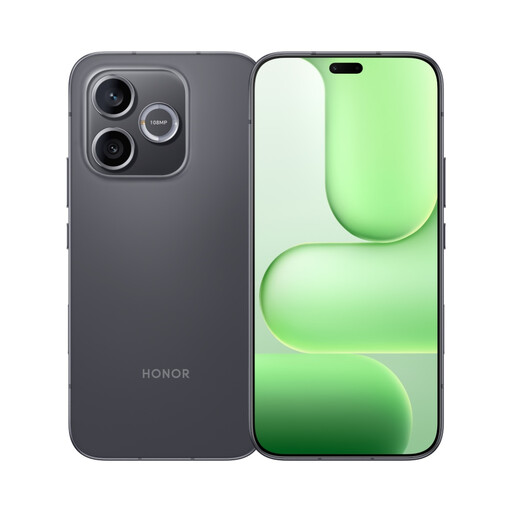
Why This Fits Their Persona: A practical Android smartphone for everyday calls, messages, apps and photography, with Dual SIM and a battery capacity of 6520mAh according to the product data.
The storage and physical RAM are listed separately. This makes it easier to assess the actual capacity than with an inflated RAM figure alone.
108MP camera according to the product specification, 8GB RAM, 128GB storage and Dual SIM.
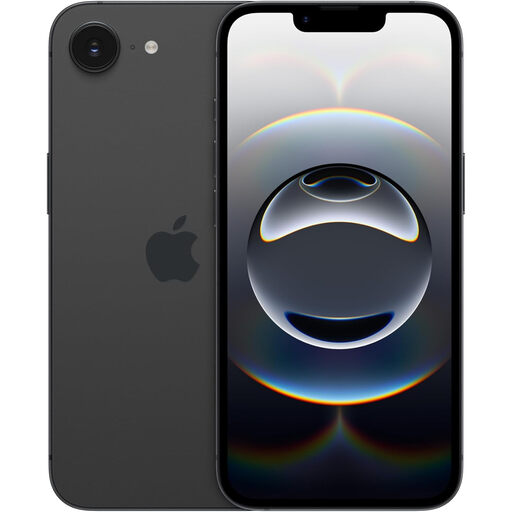
Why This Fits Their Persona: An iPhone 16e for users who want plenty of storage and value iOS, Face ID, 5G and a 6.1-inch OLED screen.
With 512GB, you won't need to delete files as often. However, bear in mind the lack of an external memory card according to the specifications.
512GB storage, A18 chip, 48MP camera, OLED display and wireless charging according to the product information.
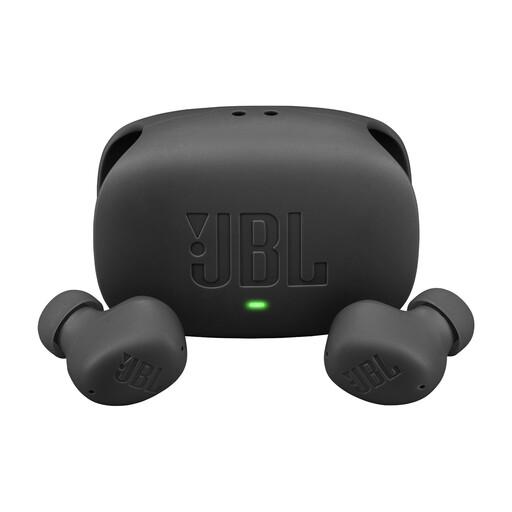
Why This Fits Their Persona: Suitable for commuting and daily use thanks to the in-ear design, multipoint and control via the JBL Headphones app.
The product information distinguishes between playback time with ANC on and off. The IP54 rating is also clearer than a general claim about water resistance.
ANC, multipoint for two devices, Bluetooth 5.2 and up to 40 hours total playback time with ANC off according to JBL.
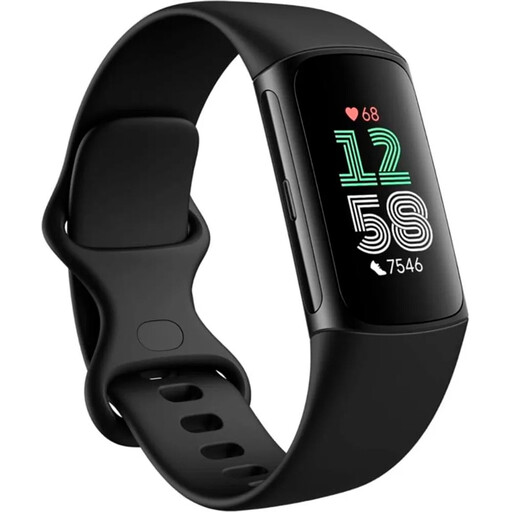
Why This Fits Their Persona: For users who want to combine training data, heart rate measurements and GPS routes in a compact fitness tracker.
The Charge 6 explicitly states that GPS use limits battery life to a maximum of 5 hours according to the product information. Extra features may require a Fitbit Premium subscription.
More than 40 training modes, built-in GPS and continuous heart rate monitoring according to Fitbit.
For an Android smartphone, alongside HONOR you could also look at the Google Pixel 10, Motorola Moto Signature 5G or Unihertz Titan 2. According to the specifications, the Motorola has 512GB storage, Dual SIM, eSIM, wireless charging and Android 16. The Unihertz Titan 2 is aimed at users who want a physical QWERTY keyboard, 12GB RAM and 512GB storage.
If you mainly listen to music, you can choose between compact wireless earbuds such as the JBL Wave Buds 2 and larger models like the Marshall Major IV. According to the brand description, the Marshall has a stated playback time of more than 80 hours and supports wireless charging. Always check whether an on-ear model is comfortable enough for extended use.
For sleep and movement insights, the Fitbit Inspire 3, Fitbit Charge 6, HONOR Watch X5i and Polar H10 are different categories. A heart rate monitor like the Polar H10 works with a chest strap and is focused on training data. The stated battery life is up to 400 hours and connection is possible via Bluetooth and ANT+. These measurements are not a medical diagnosis.
Browse a current selection of electronics and compare smartphones, audio, wearables and smart devices on features, compatibility and price.
First compare storage, physical RAM capacity, screen size, battery capacity, camera setup and update policy. Then check 4G or 5G support, Dual SIM, eSIM and the included accessories. Also look at warranty and return conditions rather than just the launch price.
That depends on screen use, notifications, GPS, Bluetooth and sensor readings. A stated maximum is not a fixed usage time. Pay particular attention to battery life with GPS or other intensive features enabled.
ANC can reduce ambient noise, but the effect varies depending on fit and environment. Do not use high volumes for extended periods. Also check the IP rating, app support and battery life with ANC enabled before you order.
