
Same-day & Next-day Delivery

Quality Guaranteed

Unlock Your Welcome Offers: FREE Delivery | Up to 80% OFF | Free 30-day JoyPlus trial
Download the APP
As a Joybuy Product Recommendation Officer, I see a lot of products. My job is to cut through the marketing noise and provide practical advice. Today, we're diving into the world of frozen dumplings. They promise a quick, flavourful Asian meal, but the reality in the freezer aisle can sometimes be disappointing. Let's explore how to make the right choice without being let down.
Before you fill your shopping cart, it's good to know where things often go wrong. Many shoppers fall into the same traps, leading to a meal that doesn't meet expectations.
To avoid the problems above, you can look for a few concrete specifications. These details on the packaging tell you a lot about the quality of the Asian dumplings you're considering.
A reliable sign of quality is the ingredient list. Good producers list the percentages of the main ingredients. If you're looking for chicken dumplings, check the percentage of chicken meat. A product with 25% pork is likely to be more flavourful than one where this isn't specified. This also applies to vegetarian dumplings; a high percentage of vegetables, tofu, or mushrooms indicates a richer filling.
Not all dumplings are the same. The type of dough often determines the recommended cooking method.
Choose a product that suits how you want to prepare it.
To help you get started, we've highlighted some popular choices that suit different needs and tastes.
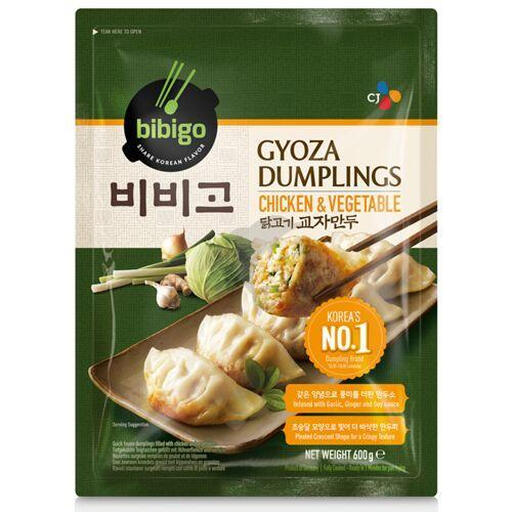
Why This Fits Their Persona: Ideal for those who want a quick, reliable, and flavourful meal without the fuss. The combination of chicken and vegetables is approachable, and the preparation is simple, perfect for a busy weeknight.
Bibigo avoids the vague ingredient trap by specifying percentages (chicken 26%, cabbage 21%). The dough is specifically designed for the gyoza method and stays intact.
Consistent quality from a well-known brand. The Bibigo gyoza is versatile and can be pan-fried, steamed, or prepared in an air fryer.
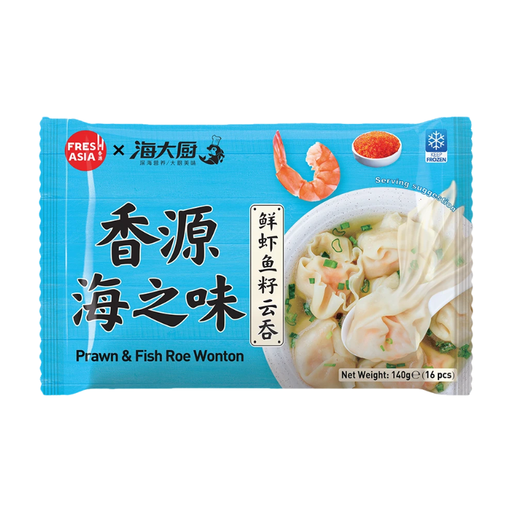
Why This Fits Their Persona: For those seeking a refined, restaurant-quality experience. The combination of prawn and fish roe offers a layered umami flavour, perfect for an authentic wonton soup.
This product is transparent about its filling (prawn ≥19%, flying fish roe ≥4.3%), so you know exactly what you're getting. The thin wonton wrapper is specially made for boiling and stays intact.
Comes with a separate soup base packet for a complete and flavourful broth. The combination of textures (soft prawn, popping roe) is a major plus.
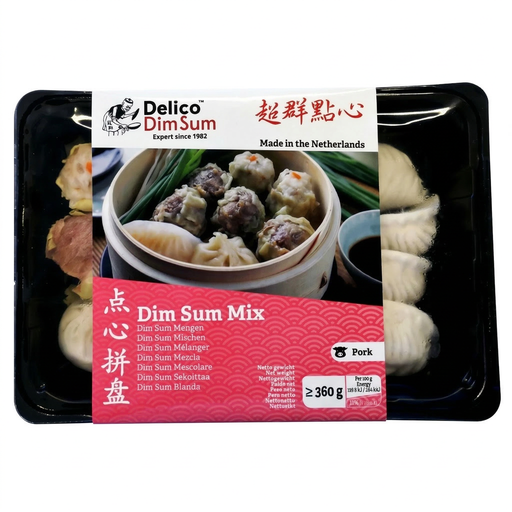
Why This Fits Their Persona: Perfect for those who want to create a full dim sum experience at home. With four different classics in one package, you don't have to choose and can immediately enjoy a varied meal.
This assortment tackles the "low filling" trap with impressive percentages: Har Gow with 36% shrimp and Siu Mai with 48-55% meat. The wrappers are tailored to each specific dumpling.
Offers variety with four classics: Har Gow, Beef Siu Mai, Pork Siu Mai, and Xiao Long Bao. Easy to prepare by steaming everything at once.
A good meal is about more than just taste; presentation counts too. Serving your freshly prepared dumplings on a beautiful dish can significantly enhance the dining experience. A simple serving plate, perhaps with a compartment for soy sauce or chili oil, adds a finishing touch and gives it a restaurant feel.
A beautiful presentation completes the meal. Check out our range of serving plates that are perfect for serving dumplings, dim sum, and other appetisers.
Most frozen dumplings do not need to be thawed. The three most common methods are:
Although they all fall under the 'dumpling' category, there are differences in origin, shape, and dough. Gyoza is the Japanese version, often with a thin dough and pan-fried. Wonton comes from China, has a thinner, square wrapper, and is usually served in soup. Mandu is the Korean version, which is similar in shape and preparation to gyoza but sometimes has different fillings, like kimchi.
Once opened, it's best to store the remaining dumplings in an airtight bag or container in the freezer (-18°C / 0°F). Try to push as much air out of the bag as possible to prevent freezer burn. Generally, they can be kept for another 1 to 2 months without significant loss of quality. Always check the expiration date on the packaging.
