
Vandaag of morgen in huis

Kwaliteit gegarandeerd

Welkomstaanbiedingen ontgrendelen: GRATIS bezorging | Tot 80% korting | Gratis 30 dagen JoyPlus-proefperiode
Download de app
Buying drinks online seems simple: choose a flavour, check how many cans are included and place your order. However, marketing terms such as “zero sugar”, “no added sugar” and “natural” can cause confusion. A larger pack is not automatically better value either if you don’t work out the price per litre.
Use this practical guide to compare soft drinks, fruit drinks, hot drinks and alcohol-free alternatives based on verifiable product information.
A fruit drink with no added sugar may still contain natural sugars from fruit. For example, Iam Superjuice Pink Guava contains 30% pink guava juice and, according to the product information, 16 kcal per 100 ml. The mango and passion fruit variant contains 17 kcal per 100 ml. So always check the nutrition table, not just the front of the packaging.
It’s worth paying attention to hot drinks, too. YON HO soya milk powder states that it contains no added sucrose, but includes ingredients such as malt syrup and maltodextrin. Here, “no added sugar” doesn’t mean the product contains no carbohydrates or sugars.
A drinks multipack is practical if you regularly enjoy the same drink or are expecting guests. However, a pack of 24 cans takes up more space and costs more upfront. So compare:
For example, a multipack of 8 × 250 ml cans is a different purchase from 24 × 330 ml cans, even if both products are soft drinks.
Words such as “tropical”, “natural” or “original flavour” mainly describe how a product is positioned. For an objective comparison, check the ingredients list, juice content, sweeteners, caffeine and allergens. With an alcohol-free mojito, also check whether the product contains sugar, sweeteners or other additives.
If you’re looking for sugar-free drinks or sugar-free soft drinks, it’s worth comparing these three details:
Coca-Cola Zero Sugar lists 0 grams of sugar and around 0.3 kcal per 100 ml for the 8 × 250 ml pack. The ingredients list includes aspartame, acesulfame K and steviol glycosides, among other ingredients. Pepsi Zero Sugar Peach also lists 0 grams of sugar and 0 kcal per 100 ml, but contains aspartame, acesulfame K and sucralose, among other ingredients. If you’re sensitive to certain ingredients, always check the label.
A tropical fruit drink isn’t necessarily the same as pure juice. The juice content helps you distinguish between products. According to the product descriptions, the Superjuice variants contain 30% guava, mango or passion fruit juice. Check the label for the rest of the ingredients.
Coconut water has a simpler ingredients list. Grace 100% Coconut Water lists coconut water as its ingredient and, according to the nutrition information, contains 22 kcal and 5 grams of sugars per 100 ml. These sugars occur naturally; “100%” doesn’t mean “sugar-free”.
Before buying, check that the packaging suits how you’ll use the drink. Individual cans are handy when you’re out and about, while a litre pack may mean less packaging per litre. Once opened, some drinks need to be kept chilled and used within the time stated on the packaging.
Also check for allergens. Soya milk powder contains soya. Coca-Cola Zero Sugar states that it contains a source of phenylalanine because of the sweetener used. Allergen information may vary between products and packaging, so always check the label for the latest details.
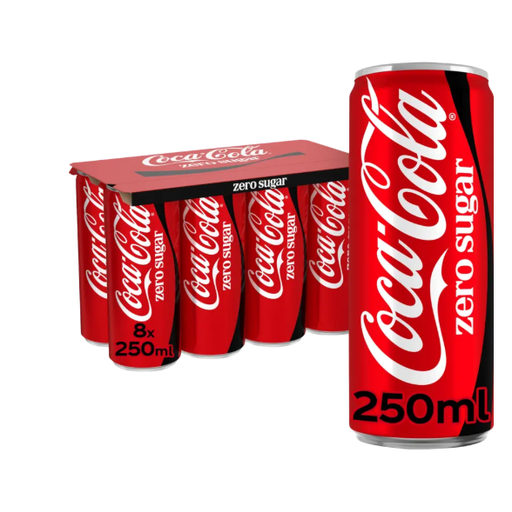
Why it suits this profile: A manageable pack of eight portions is ideal if you’d like to try a smaller quantity of sugar-free soft drink first.
The packaging lists 0 grams of sugar per 100 ml. Do check the sweeteners and the phenylalanine statement on the label.
8 × 250 ml, 0 grams of sugar and around 0.3 kcal per 100 ml, according to the product information.
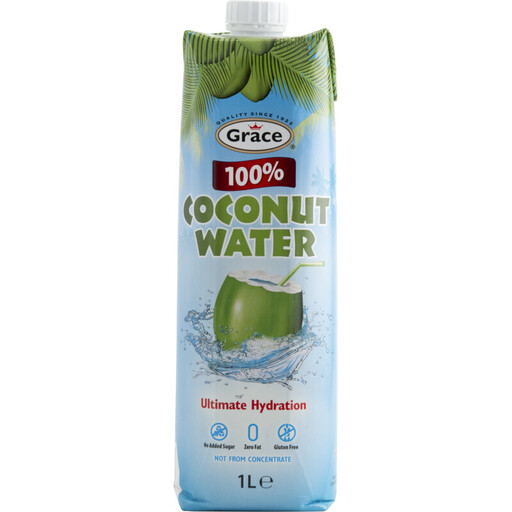
Why it suits this profile: A good choice if you’re after a simple ingredients list and a mild, tropical drink with no added sugar.
The ingredients list names coconut water only. The 5 grams of sugars per 100 ml mean it isn’t sugar-free.
1 litre, 22 kcal per 100 ml and none of the 14 major EU allergens, according to the product information.

Why it suits this profile: A tray of twelve cans is a good fit for households that regularly serve a chilled tropical fruit drink.
The juice content and nutrition information are clearly stated: 30% passion fruit juice, no added sugar and 17 kcal per 100 ml.
12 × 330 ml, 30% natural passion fruit juice according to the product description, and best served chilled.
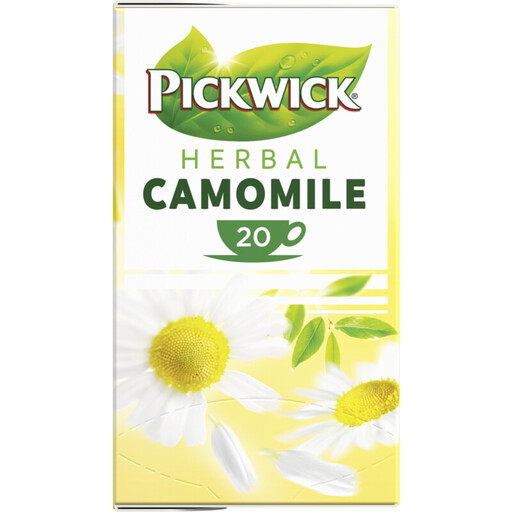
Why it suits this profile: A box of twenty individually wrapped tea bags is handy for everyday use, without needing to stock up or keep it chilled.
The ingredients list names chamomile flowers. The product information doesn’t mention any added flavourings.
20 individually wrapped tea bags, caffeine-free according to the product description, and 0 grams of sugar in the nutrition information.
We’ve put together a complete, up-to-date list of products that meet these strict selection criteria and the applicable European safety requirements.
Work out the price per litre and compare it with the total volume. A multipack may cost less per can, but it’s only worthwhile if you’ll use the drinks before their best-before date and have enough storage space.
No. Fruit drinks may contain natural sugars from juice. Powders with no added sucrose may also contain ingredients such as malt syrup. So check the “of which sugars” figure per 100 ml or 100 grams.
Store unopened products according to the instructions on the packaging, usually in a cool, dry place away from direct sunlight. Many drinks need to be kept chilled once opened. Always check the seal and best-before information before using a product.
