
Vandaag of morgen in huis

Kwaliteit gegarandeerd

Welkomstaanbiedingen ontgrendelen: GRATIS bezorging | Tot 80% korting | Gratis 30 dagen JoyPlus-proefperiode
Download de app
Buying drinks online may seem straightforward, but product titles and packaging do not always tell the whole story. For example, a bottle may be marketed as a “fruit drink” even though it contains only a limited amount of fruit juice. Terms such as “no added sugar” or “low calorie” only really mean something when you check the nutrition table.
For households, parties and office supplies, three pitfalls are particularly important:
Where possible, compare the nutritional values per 100 ml. This allows you to compare a bottle of iced tea, a can of fruit drink and a bottle of flavoured water fairly.
Look out for these terms:
For example, Lipton Ice Tea Green lists 1 kcal per 100 ml and 0 grams of sugar per 100 ml in the nutrition table. Lipton Peach Iced Tea is described as low calorie in the product description; always check the label on the packaging for the current nutritional values.
A 1.5-litre bottle is handy with a meal or at a gathering, but less practical if an opened bottle will be left standing for a long time. Smaller packs are easier to take with you and can help reduce waste.
Useful guidelines:
With a multipack, it is not only the total price that matters. Divide the price by the total number of litres and also check the pack size. For example, Bar Le Duc Mineral Water contains 12 bottles of 0.5 litres, making 6 litres in total. This is easy to share out, but takes up more space than a few large bottles.
Drinks should be stored in a cool, dry place away from direct sunlight unless the label states otherwise. Many products should be refrigerated after opening and used within the period stated on the packaging.
Also check:
According to Lipton’s product description, the 1.5-litre cartons have been fully recyclable since 2020 and consist of 95% plant-based material and 5% certified aluminium based on mass balance. This is information supplied by the manufacturer and should not be taken as a general statement about all drink packaging.
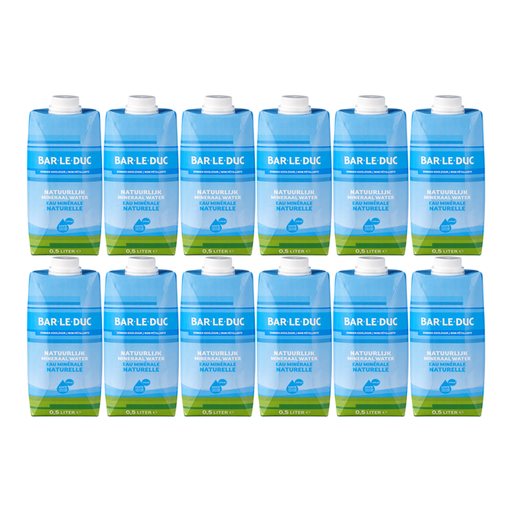
Why it suits this profile: The twelve 500 ml bottles are easy to hand out individually at home, at work or at a small gathering.
The amount in each bottle and the total volume are clearly stated. You therefore do not need to work out how many servings one large bottle provides.
12 bottles of 0.5 litres; mineral water; none of the 14 major EU allergens according to the product information.
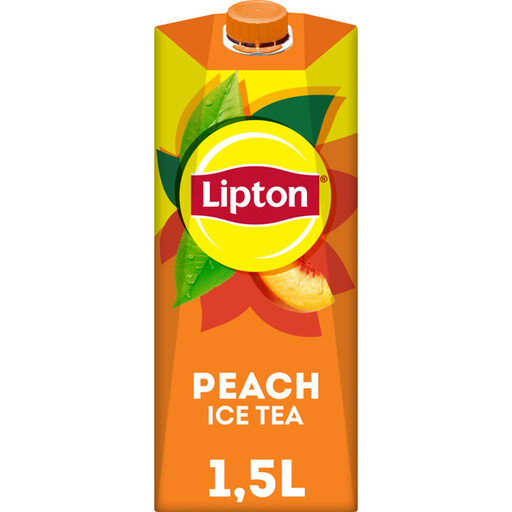
Why it suits this profile: This non-carbonated peach-flavoured iced tea is designed to be served chilled and shared with a meal or when entertaining.
The product description clearly states that this is a non-carbonated drink. This helps you avoid the wrong choice when you are expecting a sparkling soft drink.
1.5 litres; peach flavour; non-carbonated. According to Lipton’s own product information, it has a low calorie content and contains tea with Rainforest Alliance certification.
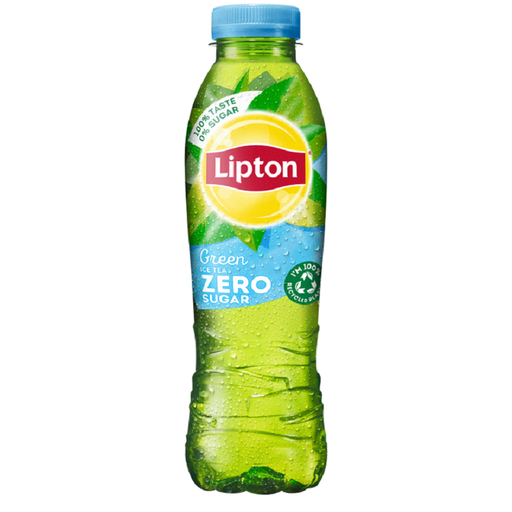
Why it suits this profile: The individual 500 ml bottle is practical for travelling, sports activities, festivals or a working day when you want to take a smaller pack with you.
The nutritional values are clearly stated: 1 kcal per 100 ml and 0 grams of sugar per 100 ml. However, check the current label when the product is delivered.
500 ml; non-carbonated; sugar-free according to the product information; 100% recycled plastic according to the brand description.
We have compiled a complete, up-to-date list of products that fully meet these strict selection criteria and the applicable European safety regulations.
That depends on the price per litre, the packaging and delivery costs. A drink multipack may reduce the price per bottle, but always compare the total volume. With mineral water, 12 × 0.5 litres is not the same as six 1.5-litre bottles, even if the number of bottles appears higher.
Follow the instructions on the label. Many drinks should be refrigerated after opening and consumed within the stated period. Close the bottle securely and do not store it in direct sunlight. With sparkling water, the carbonation may also disappear more quickly after opening.
Compare the nutritional values per 100 ml and read the ingredients list. Sugar-free drinks may contain sweeteners; “no added sugar” does not automatically mean that the product contains no natural sugars. Flavoured water and low-calorie soft drinks may have different compositions. Therefore, look at the specific figures rather than relying only on the front of the packaging.
