
Vandaag of morgen in huis

Kwaliteit gegarandeerd

Welkomstaanbiedingen ontgrendelen: GRATIS bezorging | Tot 80% korting | Gratis 30 dagen JoyPlus-proefperiode
Download de app
Buying drinks online is convenient, but comparing products based only on taste or price can lead to the wrong order. Eye-catching packaging, for example, tells you little about the sugar content, number of servings or total volume. Terms such as “zero”, “light” and “no added sugar” do not always mean the same thing either.
Use these practical checks to make a more informed choice from soft drinks, sparkling water, iced tea, fruit drinks, squash and tea.
A zero-sugar soft drink contains no sugar according to the nutrition label, but it may still contain sweeteners. Coca-Cola Zero Sugar, for example, lists aspartame and acesulfame-K as sweeteners. The label also states that the product contains a source of phenylalanine. This is relevant information for people who need to avoid certain ingredients.
Lipton Green Zero Ice Tea also lists sweeteners, including acesulfame-K and sucralose. According to Lipton’s product information, this variant contains 1 kcal and 0 grams of sugar per 100 ml. Always check both the nutrition table and the ingredients list.
The distinction is important when buying a fruit drink. “No added sugar” does not automatically mean that the product contains no sugar. Fruit juice or fruit purée may naturally contain sugar. So check:
According to the product information, Iam Superjuice Passionfruit Drink contains 30% passion fruit juice, no added sugar and 17 kcal per 100 ml. This gives you more context than simply looking at the front of the packaging.
A multipack of drinks often looks like good value, but first consider how much you will actually use. A tray containing 12 cans of 330 ml holds 3.96 litres. A pack containing 24 cans of Coca-Cola Zero Sugar holds 7.92 litres. This is practical for a party or a household with several people, but less suitable if you have limited storage space.
Also pay attention to serving size when buying canned drinks. A 250 ml, 310 ml or 330 ml can may provide a different amount of calories and sugar per serving, even when the values per 100 ml are similar.
Values per 100 ml make different formats easier to compare. Pay particular attention to:
For sugar-free drinks, 0 grams of sugar does not mean that the product contains no sweeteners. Natural sugars may count towards the total in fruit drinks. For a considered choice, the label is more important than a marketing term.
Ingredients are listed in descending order by quantity. In fruit-flavoured sparkling water, carbonated water may be the main ingredient, followed by juice or purée. According to the product information, Charlie’s Sparkling Water Raspberry & Lime consists of 94% carbonated water, 4.5% organic raspberry purée and 1.5% organic lime juice.
Also check for allergens. The products mentioned generally state that they contain none of the 14 major EU allergens, but the current packaging remains the definitive source. With tea, squash and imported drinks, recipes and labelling may vary from one market to another.
A 1.5-litre bottle is suitable for sharing during a meal or gathering. A 330 ml can is easy to take with you chilled. Squash, on the other hand, needs to be stored in the fridge after opening and diluted according to the stated ratio.
According to the product information, Slimpie Strawberry Squash is mixed at a ratio of 1+11. One 650 ml bottle can therefore make up to approximately 8 litres of squash. When ordering online, make sure you have enough storage space and check the instructions on the bottle.
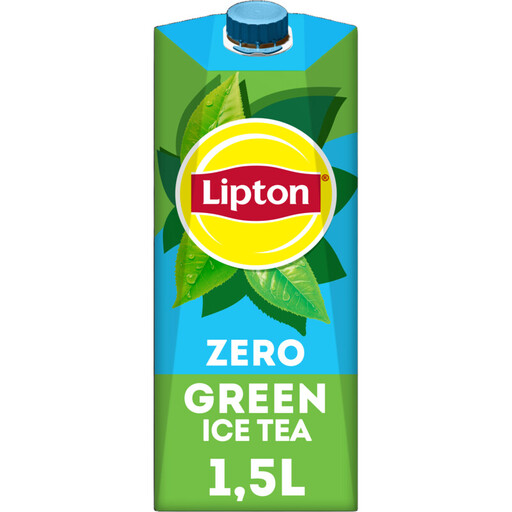
Why it suits this profile: The 1.5-litre bottle is suitable for drinking at home and sharing with a meal. According to the product information, this iced tea contains 0 grams of sugar and 1 kcal per 100 ml.
The product information states both the 0 grams of sugar and the sweeteners used. This means you can look beyond the word zero.
1.5-litre volume; green tea extracts; bottle stated to be recyclable according to the product information.
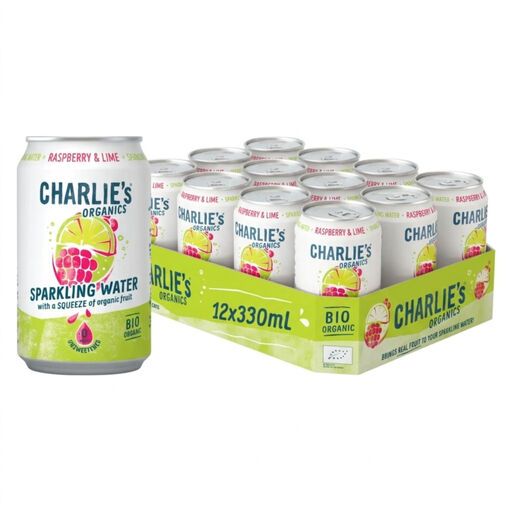
Why it suits this profile: This sparkling water combines a small serving with organic raspberry purée and lime juice. It is ideal if you want a fruity drink without opening a large bottle.
The product description gives specific percentages: 94% carbonated water, 4.5% raspberry purée and 1.5% lime juice. You can see exactly what creates the fruit flavour.
12 cans of 330 ml; 2 kcal per 100 ml according to the product information; organic ingredients listed.
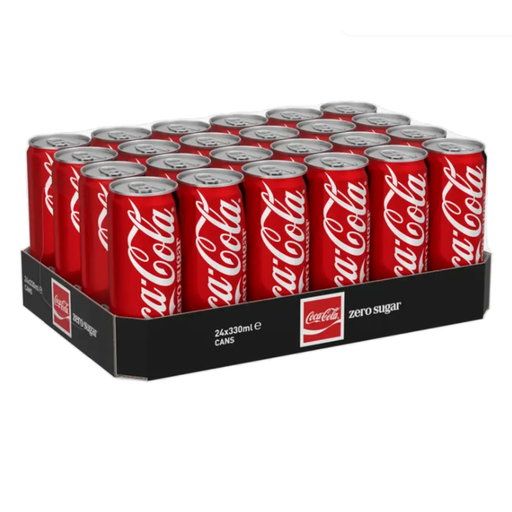
Why it suits this profile: The pack of 24 cans is practical for parties, offices or households where soft drinks are consumed regularly.
The product information states 0 grams of sugar and 0 kcal per 100 ml, but also lists aspartame, acesulfame-K, caffeine and a source of phenylalanine. This makes comparison more transparent.
24 cans of 330 ml; suitable for vegetarians and vegans according to the product information; easy to serve by the can.
We have put together a complete, up-to-date list of products that fully meet these strict selection criteria and the applicable European safety regulations.
For tropical fruit drinks, the Iam Superjuice flavours are worth considering. Passionfruit, mango, lychee, mangosteen and pink guava are available in trays of 12 cans of 330 ml. According to the product information, several variants contain 30% fruit juice and no added sugar. Check the exact kcal and ingredients list for each flavour.
If you would rather buy tea, you could choose Pickwick Herbal Chamomile Tea, for example. According to the product description, it is made from chamomile flowers and is caffeine-free. For homemade squash, Slimpie Strawberry Squash is an option; check the sweeteners, preservatives and recommended mixing ratio.
In practice, both terms generally refer to a product containing 0 grams of sugar according to the nutrition table. However, the ingredients may include sweeteners. Always check the full label rather than just the front of the packaging.
Store unopened drinks in a cool, dry place away from direct sunlight, unless the packaging gives different instructions. Once opened, many soft drinks, iced teas and fruit drinks should be refrigerated and consumed within the stated period.
That depends on the price per litre, serving size and how much you consume. Divide the total price by the total number of litres and also check how much storage space you have. A larger pack is particularly practical when you drink it regularly or are buying for several people.
