
Vandaag of morgen in huis

Kwaliteit gegarandeerd

Welkomstaanbiedingen ontgrendelen: GRATIS bezorging | Tot 80% korting | Gratis 30 dagen JoyPlus-proefperiode
Download de app
Buying drinks online may seem straightforward, but attractive packaging does not always tell the whole story. For example, a product may be presented as “fruity” while containing only a small percentage of fruit juice. Smaller packs can also work out relatively expensive per litre. And with alcohol-free or sports drinks, the alcohol content, amount of caffeine and electrolyte levels are more important than the marketing copy.
Use these checks to compare soft drinks, fruit drinks, berry drinks, alcohol-free sparkling rosé and other beverages based on verifiable information.
“Berries”, “blackcurrant” or “strawberry” on the label does not automatically mean that the drink contains a lot of fruit. Check the ingredients list and look for terms such as fruit juice from concentrate, the stated percentage and any flavourings.
For example:
A 1.5-litre bottle is convenient for a family or party, but not always practical for taking on the go. A 230 to 330 ml can or pouch is easier to carry, while multipacks can be suitable for a cupboard or event.
Therefore, compare:
For example, one bottle of syrup may produce up to 30 glasses according to the product information, but the final quantity depends on the mixing ratio.
Always check the nutritional table and product specifications. With an energy drink, the caffeine content is particularly relevant. Carabao Mixed Berry, for example, states 106 mg of caffeine per pack. That is substantially more useful information than simply seeing the words “energy drink” on the front.
For alcohol-free sparkling rosé, the alcohol content is an important point to check. Pierre Zéro Sparkling Rosé states 0.0% vol. However, always check the current label when buying and upon delivery, particularly when serving a drink to guests who avoid alcohol.
First, decide what you are buying the drink for:
As well as the flavour, read the first ingredients listed. They appear in descending order by quantity. Also check allergens, such as milk in Fristi or soya in Alpro. For alcoholic products, the alcohol content and warnings on the label are the key information.
Compare nutritional values per 100 ml when placing different products side by side. Also check the value per can, bottle or glass. This prevents a small serving from appearing unfairly more favourable.
Pay attention to the difference between:
According to the product information, DubbelFrisss Apple Blackcurrant contains 1 kcal per 100 ml. Spa Touch Sparkling Blackcurrant states 0 kcal and 0 grams of sugar per 100 ml. These are specific figures, but check the current packaging before buying.
For parties, dinners or drinks with friends, the following information is important:
The composition of a sports drink is not automatically suitable for every occasion. Applied Nutrition NA11 contains, per 330 ml can, 500 mg of sodium, 190 mg of potassium and 56 mg of magnesium, as well as 0 grams of sugar. The manufacturer states that the product is intended for adults around sporting activities and is not recommended for children, pregnancy or breastfeeding. Follow the instructions on the packaging.
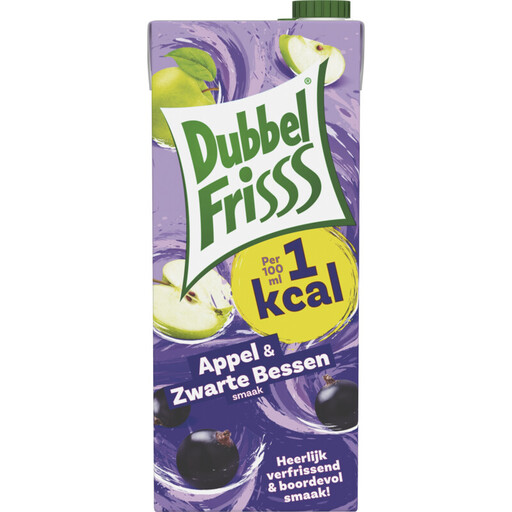
Why it suits this profile: The 1.5-litre bottle is practical for home, visitors or a family meal. According to the product information, the drink contains 1 kcal per 100 ml.
The product information lists the nutritional value and ingredients, so you do not have to rely solely on the word “fruit” in the name.
1.5 litres of contents, apple and blackcurrant flavour, and 1 kcal per 100 ml according to the stated nutritional table.
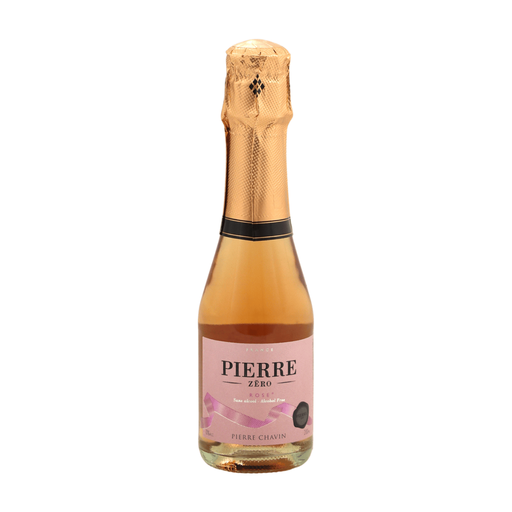
Why it suits this profile: The single-serve bottle is ideal for a special occasion without alcohol. The product description mentions fine bubbles, a rosé colour and berry and raspberry aromas.
The alcohol content is clearly stated as 0.0% vol. However, check the label on the bottle received before serving.
200 ml per bottle, 0.0% alcohol and, according to the product information, 18 kcal per 100 ml.
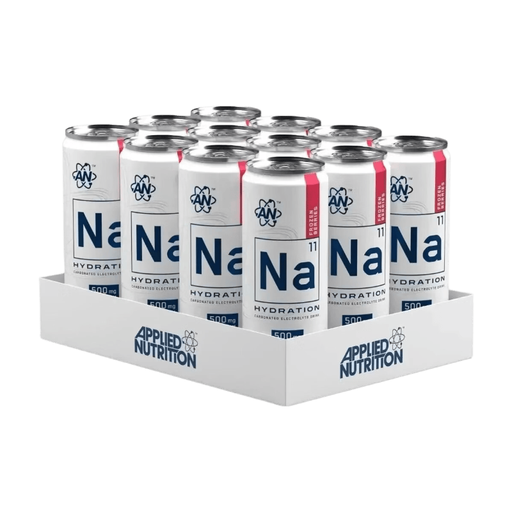
Why it suits this profile: The multipack of 330 ml cans is aimed at adults who want to use a drink with electrolytes around sporting activities.
The table states that each can contains 0 grams of sugar, 500 mg of sodium, 190 mg of potassium and 56 mg of magnesium. This allows you to assess the composition in concrete terms.
330 ml per can, 7 kcal per can according to the product information, and no caffeine. Not recommended for children.
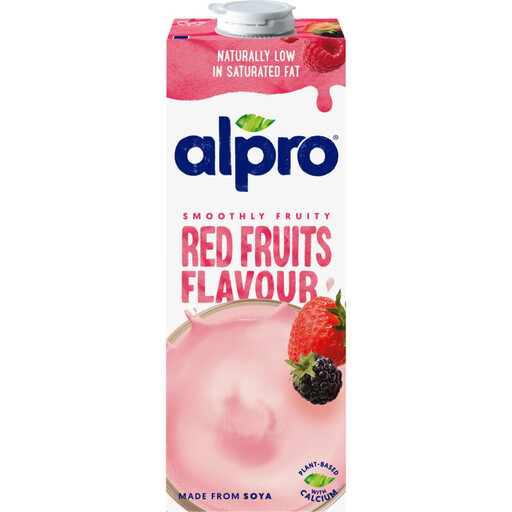
Why it suits this profile: This plant-based drink combines red berry flavour with soya and is, according to the product information, lactose-free and vegan. The 1-litre pack is suited to use at home.
The product information clearly identifies soya as an ingredient and lists calcium and added vitamins. This makes comparison easier.
1 litre of contents, 2.6 g of protein per 100 ml and 120 mg of calcium per 100 ml according to the stated table.
We have put together a complete, up-to-date list of products that fully meet these strict selection criteria and the applicable European safety regulations.
It varies by product, pack size and promotion. Online, it is easier to compare multipacks, contents and price per litre. However, remember to factor in delivery costs and check whether the offer applies to one bottle, one can or a full box.
A 230 to 330 ml pouch or can is generally easier to carry than a 1 or 1.5-litre bottle. Ice Talk Blueberry Ade comes in a 230 ml pouch. For sporting activities, Applied Nutrition NA11 is listed in a 330 ml can format. Check the storage instructions after opening.
That depends on the product. According to the product information, fruit drinks, soft drinks, plant-based drinks and yoghurt drinks generally need to be refrigerated after opening and used within the stated period. Seal the packaging properly and always follow the date and instructions on the current label.
