
Vandaag of morgen in huis

Kwaliteit gegarandeerd

Welkomstaanbiedingen ontgrendelen: GRATIS bezorging | Tot 80% korting | Gratis 30 dagen JoyPlus-proefperiode
Download de app
Buying drinks online may seem straightforward, but attractive packaging doesn’t always tell the whole story. A bottle might look like fruit juice, even though it mainly contains water, sugar or sweeteners. Terms such as “light”, “natural” or “with vitamins” only tell you so much — check the ingredients list and nutrition table to find out more.
Comparing products online can help you avoid three common buying mistakes:
Below, you’ll find practical tips and a selection of products for different occasions.
The front of the packaging is mainly there to show the flavour and when to enjoy the drink. The back gives you a better basis for comparison. Check:
For example, according to the nutritional information provided, Carabao Energy Drink Mixed Berry contains 106 mg of caffeine per 330 ml can and 9.24 grams of sugar per 100 ml. That makes it different from a caffeine-free soft drink or kombucha.
A 200 to 330 ml pack is often ideal for one drink. A 1 or 1.5 litre bottle is more practical for a household, but should be refrigerated after opening. Multipacks of 6 or 12 are handy for keeping in stock, sports activities or having guests over.
Check the use-by date and storage instructions too. Some drinks need to be refrigerated after opening and consumed within a certain time. For nata de coco drinks, it’s also a good idea to shake the bottle as directed, as it may contain pieces or sediment.
If you follow a vegan diet, you could look for a vegan soya drink, but always check the ingredients and allergens. Alpro Red Berries Soy Drink, for example, is described as vegan and naturally lactose-free, but it does contain soya.
For an alcohol-free option, check the alcohol content rather than relying on the name alone. Pierre Zéro Sparkling Rosé is labelled 0.0% vol and sold as an alcohol-free rosé. For port and soju, make sure you take the alcohol content into account. According to the product information, Sabrina Ruby Red Port contains 19% vol, while ChumChurum Soonhari Soju Blueberry is labelled 12% vol. Alcoholic drinks are not suitable for under-18s; also check the legal age verification requirements for purchase and delivery.
The right choice depends on your taste, how much you want to keep in stock and your dietary preferences. A one-litre carton of fruit drink can be practical for a family. Small bottles of alcohol-free rosé are great for a party. If you enjoy Asian flavours, you could try nata de coco, soju or herbal tea. If you want to limit sugar, look for a sugar-free drink, but check which sweeteners it contains too.
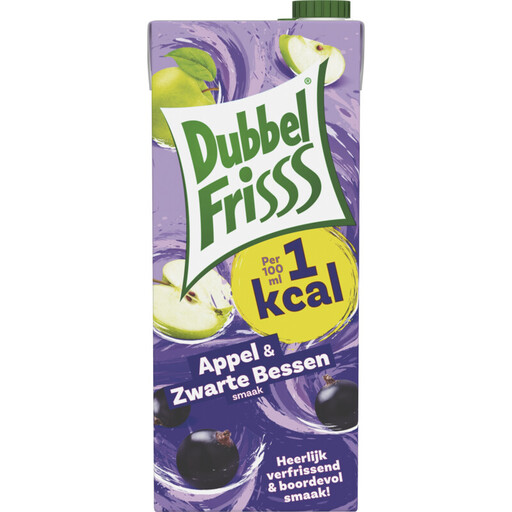
Why it suits this profile: The one-litre size is handy at home for households that want to pour a fruity soft drink.
The nutritional information lists 1 kcal per 100 ml. Do check the low juice content and the sweetener it contains.
1.5 litres; apple and blackcurrant flavour; refrigerate after opening.
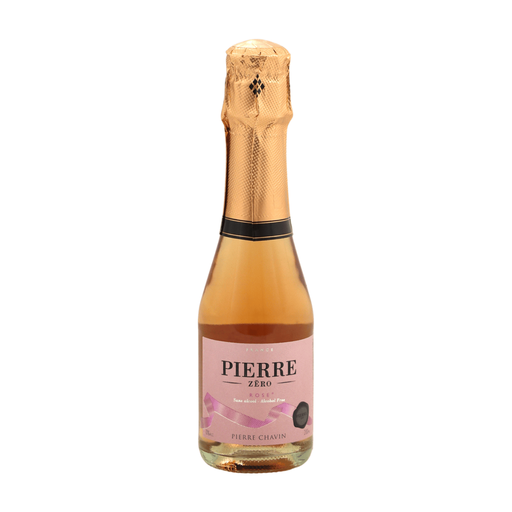
Why it suits this profile: This small bottle is ideal for a celebratory drink served to one person, without the alcohol.
The alcohol content is clearly stated as 0.0% vol. Always check the current product packaging before buying.
200 ml per bottle; sparkling rosé; described as vegan in the product description.
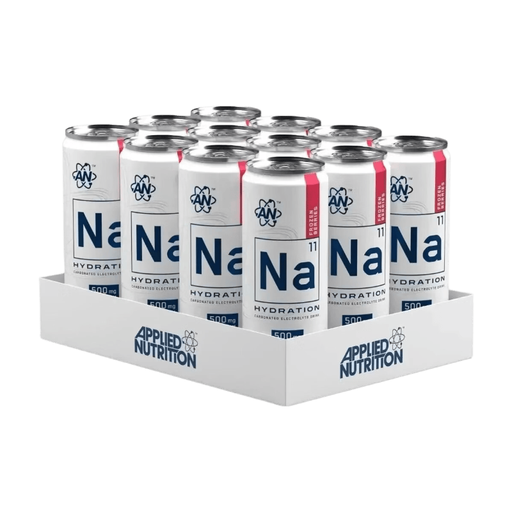
Why it suits this profile: A multipack of 330 ml cans is a handy option to keep in stock for training or activities on the go.
The table lists 0 grams of sugar per can and 500 mg of sodium per 330 ml. That gives you a clearer basis for comparison than the word “hydration” alone.
12 cans; 0 grams of sugar per can according to the product information; contains sodium, potassium and magnesium.
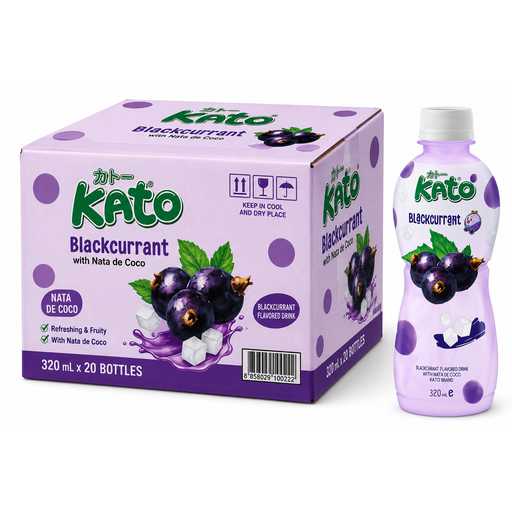
Why it suits this profile: The combination of blackcurrant and 15% nata de coco gives it more texture than a regular soft drink.
The product details state the nata de coco content, so you know in advance that this drink contains pieces.
24 bottles of 320 ml; 15% nata de coco; blackcurrant flavour.
When buying soft drinks online, you could also try sparkling water with blackcurrant, such as Charlie’s Sparkling Water Cassis. According to the product details, it contains 0 grams of sugar per 100 ml. For a hot drink, there are herbal teas and blends with goji berries, chrysanthemum, ginger or dates. Check the preparation instructions and the amount of added sugar.
A fruit juice or sour cherry drink in a one-litre carton is a good choice if you’re looking for a fruity option to share. A vegan soya drink suits a plant-based diet, while kombucha could appeal if you’re after a lightly sparkling, fermented drink. According to the product information, Nexba Kombucha Mixed Berry contains 0 grams of sugar per 100 ml; always check the current packaging.
We’ve put together a complete, up-to-date list of products that meet these strict selection criteria and comply with the applicable European safety regulations.
It depends on the pack size, delivery costs and any multipack discounts. Compare the price per litre or per can, and consider how much you need to keep in stock. A large pack isn’t automatically better value if you haven’t tried the flavour before.
Always use the figure per 100 ml. A 330 ml can contains around 3.3 times the amount listed per 100 ml. Also check whether the drink contains sugar, fruit juice concentrate or sweeteners.
Check the exact alcohol content, such as 0.0% vol, and read the ingredients list. Alcohol-free rosé can still contain sugar. For alcoholic products such as port and soju, factor the stated alcohol content and legal age limit into your buying decision.
