
Vandaag of morgen in huis

Kwaliteit gegarandeerd

Welkomstaanbiedingen ontgrendelen: GRATIS bezorging | Tot 80% korting | Gratis 30 dagen JoyPlus-proefperiode
Download de app
Buying drinks online is convenient when you need supplies for home, a barbecue or a gathering. You can find soft drinks in bulk, drinks bundles, Asian drinks and special flavours that are not always available in supermarkets. However, a large pack can also turn out to be a poor buy. A low price per can, for example, means little if you do not know the flavour or cannot finish the drinks in time.
The main pitfalls are usually:
Do not just compare the price of a box; calculate the price per 100 ml or litre. A pack of 12 x 330 ml contains 3.96 litres, while a box of 24 x 250 ml contains 6 litres. This means a larger box may offer better value for a household or event, despite its higher total price.
Also consider the format. Small cans are convenient for one occasion, while 1.5-litre bottles are better suited to a family or party table. When buying fruit juice or coconut water, the shelf life after opening is particularly important.
Check the nutrition table per 100 ml. An energy drink may contain 0 grams of sugar while still using sweeteners. This applies, for example, to sugar-free energy drinks such as Red Bull Sugar-Free or Monster Ultra Fiesta. “Sugar-free” therefore does not mean that the drink’s flavour comes without sweeteners.
Also check the caffeine content of energy drinks. The supplied product information lists 32 mg of caffeine per 100 ml for several variants. According to that information, a 500 ml can therefore contains 160 mg of caffeine. The warning on the label takes precedence; energy drinks with a high caffeine content are, among others, not recommended for children, pregnant women, breastfeeding women and people who are sensitive to caffeine.
According to information provided by the brands themselves, some products also contain taurine, ginseng, L-carnitine or B vitamins. Treat such descriptions as information about the ingredients, not as a medical or health claim.
Always read the current packaging. Product information on a webpage may differ from the physical label. This is particularly important for imported drinks and Asian drinks.
Pay attention to:

Why it suits this profile: A box of 12 330 ml cans is a manageable option for anyone who wants to try coconut water without immediately buying a very large supply.
The pack size and serving size are clearly stated. According to the product description, the drink contains no added sugar; check the current label for the complete nutritional information.
12 x 330 ml; according to the description, 100% coconut water and 2% real coconut pieces; serving chilled is recommended.
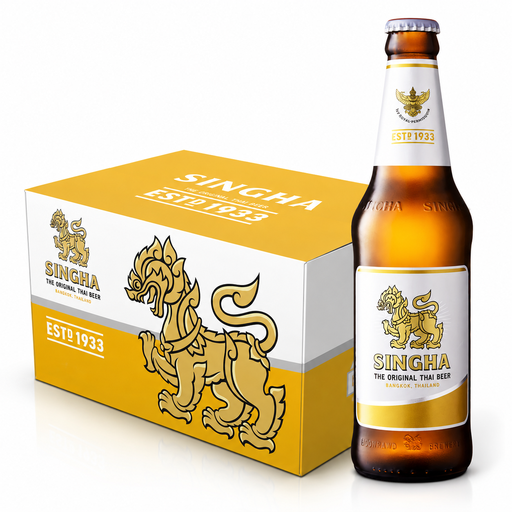
Why it suits this profile: This box is designed for Thai lager enthusiasts and occasions when multiple individual bottles are needed.
The alcohol content of 5% and the quantity of 24 x 330 ml are clearly stated. This allows you to compare the volume and alcohol strength in advance.
Thai lager, 5% alcohol, 330 ml bottle size and barley malt listed as an ingredient; contains gluten.
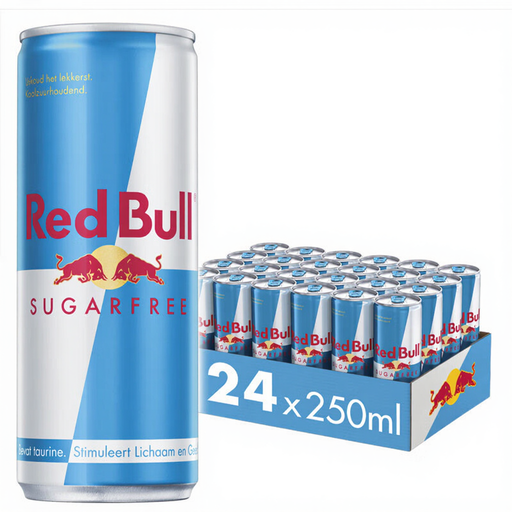
Why it suits this profile: The compact cans are ideal for studying, working, travelling or keeping a regular supply for anyone looking for sugar-free energy drinks.
The product information states 0 grams of sugar per 100 ml and 32 mg of caffeine per 100 ml. The sweeteners used are also listed, so you do not have to rely solely on the information on the front.
24 x 250 ml, 0 grams of sugar according to the product data and a clearly stated caffeine content of 32 mg per 100 ml.
We have put together a complete, up-to-date list of products that fully meet these strict selection criteria and the applicable European safety regulations.
That depends on the pack size, the offer and the delivery costs. Compare the price per litre, not just the price of the box. Buying soft drinks in bulk is particularly practical if you regularly drink the same flavour or are organising a gathering.
Check the sugar, sweeteners, caffeine per 100 ml, can size and number of cans. With a sugar-free energy drink, the caffeine content remains important. Also read the warnings for specific groups and follow the information on the current packaging.
Check the best-before date on the packaging and store unopened drinks according to the product advice. An opened bottle or can should usually be refrigerated and used within a short period. For alcoholic drinks, fruit juice and imported products, the instructions may vary from one product to another.
