
Vandaag of morgen in huis

Kwaliteit gegarandeerd

Welkomstaanbiedingen ontgrendelen: GRATIS bezorging | Tot 80% korting | Gratis 30 dagen JoyPlus-proefperiode
Download de app
Buying drinks online is convenient when you need supplies for your home, a party or a workplace. You can quickly compare different brands and multipacks side by side. However, a low price per pack can be misleading. A large number of cans does not automatically mean you are getting good value per litre, and an eye-catching product name reveals little about sugar content, alcohol percentage or caffeine.
Use these checkpoints to compare soft drinks, beer, alcohol-free drinks and functional drinks based on verifiable information.
A tray of 24 cans may seem attractive, but always compare the total volume. A pack of 24 x 330 ml contains 7.92 litres. A pack of 6 x 1 litre contains 6 litres. Divide the price by the number of litres and also check the price per serving.
A multipack of drinks is only practical if you will actually use the contents. For a small household, a large drinks pack can be inconvenient because of limited storage space or the longer period it may remain open.
Fruit drinks and soft drinks can have a fruity flavour even when the proportion of juice is limited. Check the ingredients list for the percentage of fruit juice or fruit purée. According to the product information, MAAZA Guava Drink contains 17% guava juice from concentrate. Orangina Regular states 12% citrus fruit juice from concentrate.
Also check the nutritional values per 100 ml. MAAZA Guava Drink contains 11 grams of sugar per 100 ml, while Charlie’s Sparkling Water Raspberry & Lime contains 0 grams of sugar per 100 ml according to the product information.
When buying beer online, the alcohol percentage is an important selection criterion. Tyskie contains 5.6% alcohol, Hertog Jan Karakter 7.5% and Affligem Tripel 9%. Lowlander 0.0% White Beer is offered as alcohol-free beer, but it does contain gluten from barley malt.
For energy drinks, caffeine is just as important. Ghost Energy contains 200 mg of caffeine per can and, according to the product information, is intended for people aged 18 and over. Compare the amount per can and read the warnings on the label, especially if you drink several caffeinated drinks in one day.
Choose the format based on when you plan to drink it:
Look out for deposit charges or packaging information. For example, the product details for Lowlander 0.0% state that it includes a deposit in the Netherlands.
Do not compare only the calories or sugar per 100 ml. Also calculate how much you will actually drink. A 1-litre bottle containing 11 grams of sugar per 100 ml contains 110 grams of sugar in total. For beer and energy drinks, it is also useful to check the values per bottle or can.
For protein drinks, check:
According to the product information, the Optimum Nutrition Protein Water Variety Bundle contains 16 grams of protein per 350 ml bottle, 64 kcal and 0 grams of sugar. The drink contains milk as an allergen.
The ingredients list helps you check marketing claims. Look out for sugar, sweeteners, preservatives, caffeine and colourings. In beer, barley malt and gluten are important considerations. According to the product information, Supermalt contains barley malt and is therefore unsuitable for people who need to avoid gluten.
Store drinks as stated on the packaging. Unopened soft drinks and beer should generally be kept cool and out of direct sunlight. Opened fruit drinks or bottles of sparkling water should usually be stored in the fridge. When your order arrives, always check the packaging, best-before date and seal.
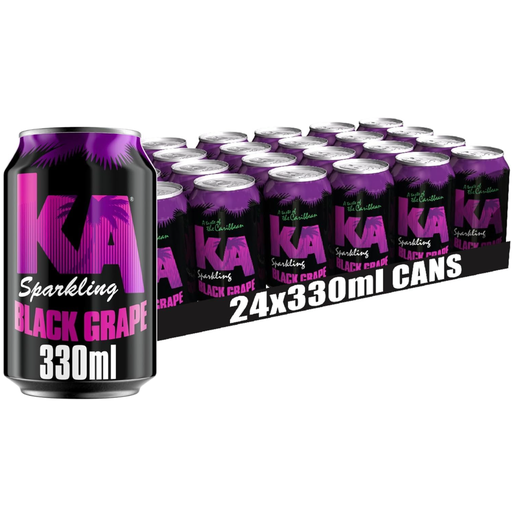
Why it suits this profile: A large multipack of cans for anyone who wants to combine buying soft drinks online with a consistent serving size and supplies for several occasions.
The packaging clearly states that it contains 24 cans of 330 ml. This means you can calculate the volume and price per litre in advance.
24 x 330 ml; carbonated drink with black grape flavour; suitable for sharing and chilled storage.
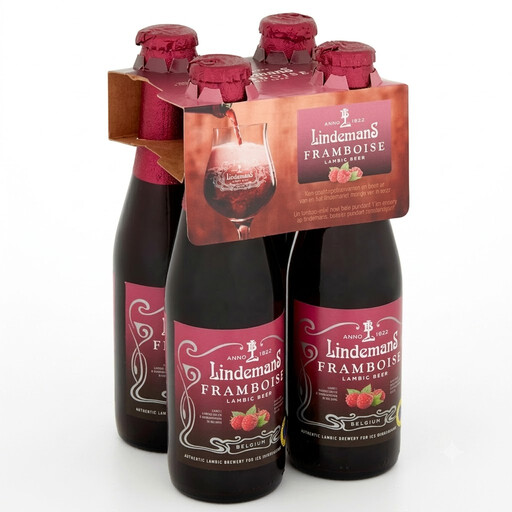
Why it suits this profile: For anyone looking for a smaller fruit-flavoured beer pack rather than a large standard tray.
The clip-pack contains four 25 cl bottles and states an alcohol percentage of 2.5%. This makes the serving size and alcohol strength immediately clear.
4 x 25 cl; 2.5% alcohol; contains gluten from malt; store between 10 and 15 °C.
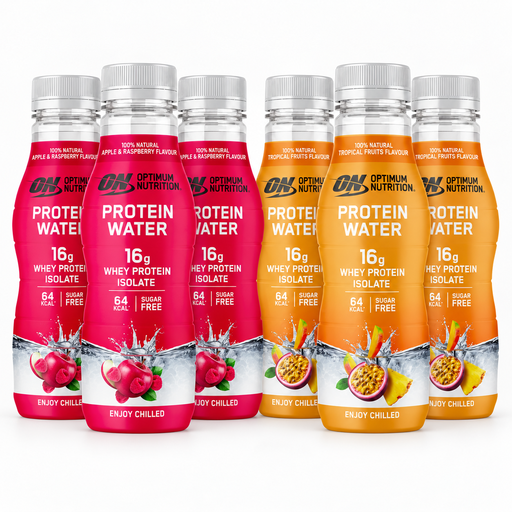
Why it suits this profile: A ready-to-drink protein beverage for athletes and anyone who wants to take a drink with a fixed protein content on the go.
The product information states that each bottle contains 16 grams of protein, 0 grams of sugar and 0 grams of fat. Milk is also listed as an allergen.
6 x 350 ml; two flavours; 16 grams of protein per bottle; refrigerate after opening.
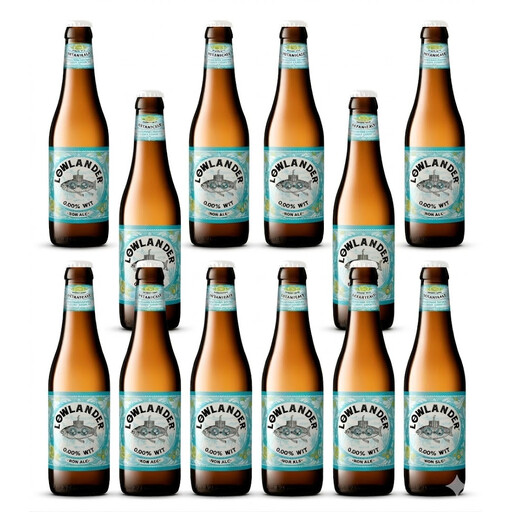
Why it suits this profile: An alcohol-free option for a party, lunch or cupboard where not everyone wants to drink alcohol.
The product name states 0.0%, while the ingredients and allergen information also clearly indicate barley malt and gluten.
12 x 330 ml; 0.0%; vegan according to the product information; contains gluten.
We have put together a complete, up-to-date list of products that fully meet these strict selection criteria and the applicable European safety regulations.
That depends on the price per litre, pack size and any delivery costs. A large multipack can reduce the price per serving, but only if you use the entire contents. So compare the total volume and calculate the cost per litre.
For a party, a combination often works better than one large branded pack. For example, choose carbonated drinks in cans, fruit drinks for guests who want something sweet and alcohol-free drinks such as Lowlander 0.0%. For alcoholic products, check the percentage and consider guests who do not drink alcohol.
Check the amount of caffeine per can, serving size, sugar content and warnings. Ghost Energy states 200 mg of caffeine per can and a minimum age of 18 in the product information. Always check the current label before use and do not combine caffeinated products without due consideration.
