
Vandaag of morgen in huis

Kwaliteit gegarandeerd

Welkomstaanbiedingen ontgrendelen: GRATIS bezorging | Tot 80% korting | Gratis 30 dagen JoyPlus-proefperiode
Download de app
Buying drinks online may seem straightforward, but an appealing product photo does not always tell the whole story. Ordering alcoholic drinks can easily lead to disappointment if the alcohol percentage is unclear, the pack size is not what you expected or the flavour profile does not match the product information. The difference between loose-leaf tea, tea bags, sugar and sweeteners is also important when buying tea and tonic water.
This practical guide focuses on verifiable product details. That makes it easier to find a drink that suits everyday use, a party, a casual get-together or a quiet cup of tea.
A 250 ml can, a 1-litre bottle and a multipack can sometimes look very similar on a product page. Always check:
A box containing four gin and tonics is not directly comparable with a single can. Look at the price per litre or per item when comparing different formats.
Words such as “fresh”, “full-bodied”, “bold” or “premium” often come from a product description or marketing copy. They give you an indication, but cannot guarantee that you will enjoy the taste. It is better to check the specific ingredients and composition.
When buying beer online, the alcohol percentage, beer style, country of origin and ingredients are useful points of reference. If you are looking for Guinness beer, for example, compare the difference between a stout at 7.5% and a variant at 8%. With speciality beer, the style often tells you more about the expected flavour than general promotional copy.
An alcohol-free gin and tonic may contain sugar, while a tonic with 0% sugar uses sweeteners instead. Check the nutrition table and ingredients list. With a ready-to-drink cocktail, it is also sensible to check the alcohol percentage and the amount of sugar per serving.
For alcoholic products in the Netherlands, the legal age is 18 and over. Drink responsibly and consider the alcohol percentage per can or bottle.
The alcohol percentage is usually shown as % vol or ABV. A 250 ml can containing 9% alcohol is clearly different from a 250 ml gin and tonic containing 6.4% or 6.5%. So do not compare the brand name alone; consider the combination of volume and alcohol percentage.
Examples from the range:
When buying beer, check for barley and gluten. The Guinness products listed contain, among other ingredients, water, malted barley, roasted barley, hops and yeast. Leffe Bruin lists malted barley and barley as ingredients.
Gin and tonic and ready-to-drink cocktails may contain tonic, sugar, flavourings, colourings and preservatives. According to the Bobby’s Gin & Tonic product information, the drink contains none of the 14 major EU allergens. Nevertheless, always check the label on the packaging you receive, particularly if the ingredients or packaging have changed.
Tea often has a simpler ingredients list. Pickwick Ceylon Black Tea lists 100% Ceylon black tea. Caykur Tomurcuk Cayi Earl Grey lists black tea and bergamot flavouring. This makes it easier to distinguish between ordinary black tea, English tea and Earl Grey tea.
Ready-to-drink cocktails are intended to be enjoyed chilled, without having to measure out gin, tonic or syrup yourself. The Bombay Sapphire product information recommends serving with ice and a slice of lime. Once opened, tonic water should be refrigerated and sealed tightly.
Tea mainly needs to be stored in a dry, dark place. For Pickwick tea bags, the recommended preparation is one bag per cup and a steeping time of around two to four minutes. Loose English tea, such as 200 g Pickwick English Tea, generally requires one teaspoon per cup and should be poured through a filter or strainer.
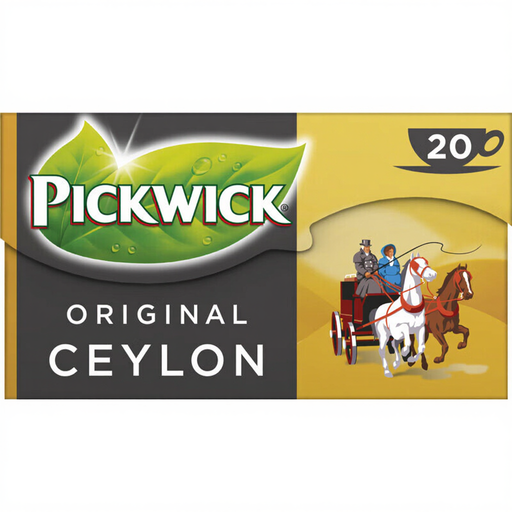
Why it suits this profile: A clearly presented pack of 20 tea bags is practical for everyday use and makes portioning simple.
The number of bags, total weight and ingredients are clearly stated. This makes comparison easier than relying on the packaging alone.
100% Ceylon black tea; 20 bags of 2 grams; suitable for hot or cold preparation.
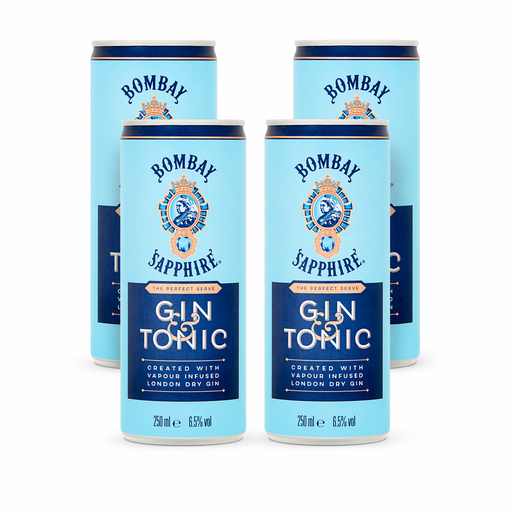
Why it suits this profile: The London dry gin and tonic are already mixed and portioned into individual cans, making it convenient for a get-together without separate ingredients.
The alcohol percentage and volume per can are stated clearly. You do not have to estimate the ratio of gin to tonic yourself.
Four 250 ml cans; 6.5% alcohol; product description highlights botanical notes of juniper and citrus.
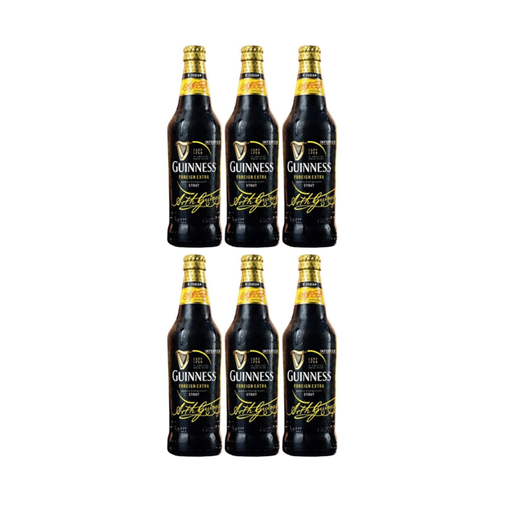
Why it suits this profile: This pack is ideal for stout lovers who want to stock up on several bottles for a dinner or gathering.
The product lists the alcohol percentage, bottle size and presence of barley separately. This means your choice is not based on the brand name alone.
Six 325 ml bottles; 7.5% alcohol; stout made with malted and roasted barley according to the product information.
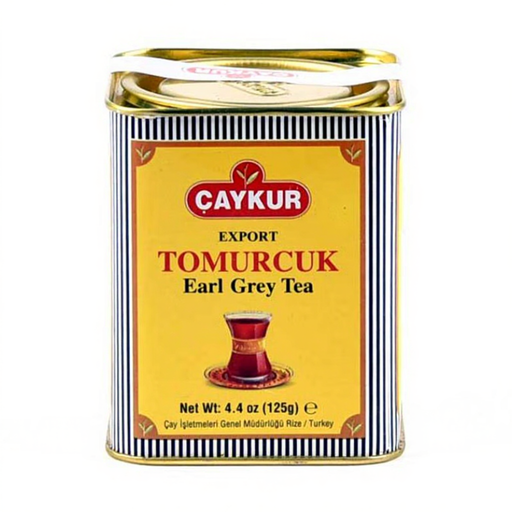
Why it suits this profile: Loose-leaf Turkish tea with bergamot flavouring is ideal for traditional preparation using a teapot, strainer or tea infuser.
The product information explicitly identifies loose-leaf tea, black tea and bergamot flavouring. This makes it clear that it is not a standard tea-bag product or a pure Earl Grey blend.
125 grams of loose-leaf tea; black tea with bergamot flavouring; suitable for traditional preparation.
We have put together a complete, up-to-date list of products that fully meet these strict selection criteria and the applicable European safety regulations.
Check the beer style, volume, alcohol percentage, packaging and allergens. With Guinness and other stouts, barley is an important consideration for people who want to avoid gluten. Also compare the price per litre, especially with multipacks.
That depends on the brand, pack size and quantity you want. Ready-made gin and tonic saves time and makes portioning easy. Mixing your own gives you more control over the gin, tonic, ice and garnish. Compare the price per 250 ml and check the alcohol percentage to make a fair comparison.
Always follow the date and storage instructions on the packaging. Store tea in a dry, dark place in a tightly sealed container, away from moisture and heat. With loose-leaf tea, airtight storage is particularly useful for preserving its aroma and flavour as effectively as possible.
