
Vandaag of morgen in huis

Kwaliteit gegarandeerd

Welkomstaanbiedingen ontgrendelen: GRATIS bezorging | Tot 80% korting | Gratis 30 dagen JoyPlus-proefperiode
Download de app
Buying drinks online might seem straightforward, but product packaging and marketing claims can make comparing them tricky. A brightly coloured carton tells you little about the actual fruit content, while terms like “no added sugar” don’t mean a drink is sugar-free. Similarly, a plant-based drink may appear suitable for vegans, yet still contain allergens.
With these practical checks, you’ll quickly spot which drink suits your household, breakfast routine or store cupboard.
A product featuring orange, apple or peach on the front isn’t automatically 100% juice. Fruit drink can contain water, juice from concentrate, purée, sugar or sweeteners. Always check the ingredients list and the percentage of juice.
The g'woon Peach Orange Fruit Drink contains 51% juice and purée from concentrate, according to the product information. The ingredients include peach, orange, apple, sweeteners and vitamin C. That makes it a fruit drink, not a product consisting solely of pure fruit juice.
In some drinks, sugars occur naturally from fruit or grains. Always look at the nutritional information per 100 ml. A product labelled “no added sugars” can still contain naturally occurring sugars.
If you’re specifically looking for sugar-free drinks, check whether the table shows 0 grams under “of which sugars”. The Alpro Unsweetened Soy Drink, for example, lists 0 grams of sugars per 100 ml. The Alpro Almond Drink contains 2.4 grams of sugars per 100 grams according to the product information, so it is not sugar-free.
Milk, soya, gluten and nuts are key considerations. A plant-based drink is not automatically free from all allergens. Also check the storage instructions: long-life drinks can be kept outside the fridge unopened, but usually need refrigeration once opened.
For fresh or chilled products, the remaining shelf life is especially important. When ordering online, always check the product packaging as soon as it’s delivered.
For orange juice, multi-fruit and other fruit drinks, these points matter:
The B+ Orange Juice 1L is described in the product information as organic orange juice from concentrate. The Appelsientje Multifruit Fruit Drink combines several types of fruit with milk components and contains steviol glycosides according to the stated information.
Always compare drinks based on the same quantity. Pay particular attention to:
A plant-based drink with low sugar may contain less protein than milk. Soya drink is often higher in protein than oat milk, while oat milk typically has a mild flavour for coffee, cereals and smoothies. The Alpro Unsweetened Soy Drink lists 3.3 grams of protein per 100 ml. The Alpro Oat Drink Unsweetened lists 0.7 grams of protein per 100 ml.
For a family or for stocking up, 1-litre drinks are often practical. A carton of milk, fruit juice or oat milk works well with breakfast cereals, coffee and cooking. Smaller sizes are more convenient for on the go, but can work out more expensive per litre.
Also consider the type of packaging. A 1-litre carton is not the same as a multipack of small bottles. With tea and coffee, the comparison involves different factors: loose tea requires a filter or infuser, while coffee capsules are only suitable for compatible machines.
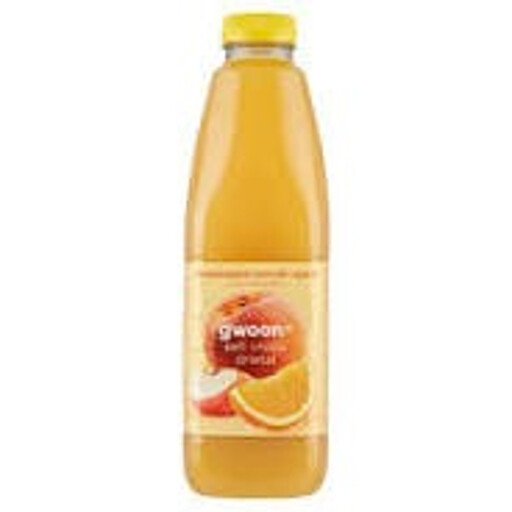
Why this fits the profile: A 1-litre carton for breakfast, lunch or multiple family members. The combination of orange, peach and apple offers variety alongside standard orange juice.
The product information states 51% juice and purée and lists sweeteners. This means you know you’re choosing a fruit drink, not 100% fruit juice.
1 litre volume, a blend of three fruit types and, according to the product information, none of the 14 main EU allergens.
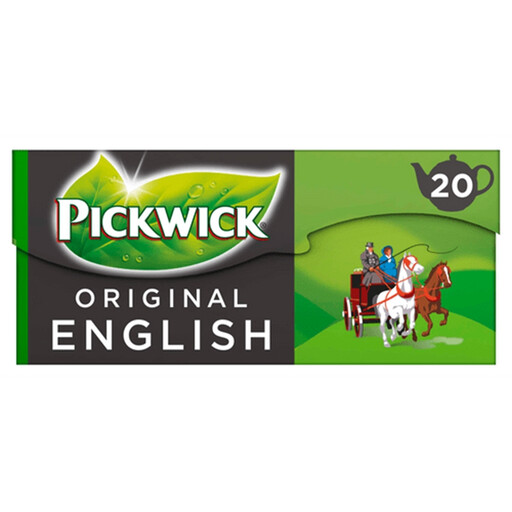
Why this fits the profile: For those who drink tea daily and prefer to use loose black tea at breakfast or in the afternoon.
The ingredients list states 100% black tea, with no artificial colours, flavourings or preservatives according to the product description.
200 grams of loose tea, suitable for brewing with roughly one teaspoon per cup and a steeping time of 3 to 5 minutes.
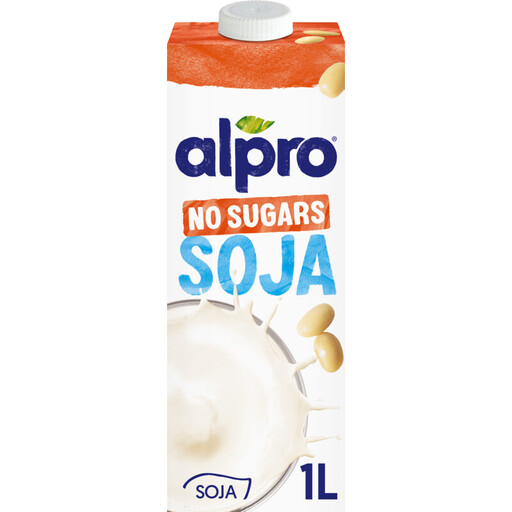
Why this fits the profile: A practical choice for vegans and households looking for a plant-based alternative to milk in breakfast cereals, smoothies, coffee or cooking.
The product information states 0 grams of sugars per 100 ml. If you have allergies, always check the current label; soya is listed as an allergen.
3.3 grams of protein per 100 ml, 120 mg of calcium per 100 ml according to the product information, and a 1-litre carton.
If you’re looking for coffee, tea, coconut drink, almond drink or breakfast products alongside fruit juice, semi-skimmed milk and plant-based drinks, you can compare the range by type and packaging. With coffee, for example, check compatibility: Nescafé Cappuccino Coffee Capsules are designed for a Nescafé Dolce Gusto machine. For chilled milk and fruit drinks, storage and shelf life after opening are more important.
We’ve put together a full, up-to-date list of products that fully meet these strict selection criteria and comply with current European safety regulations.
That depends on the price per litre, offers, pack size and any delivery charges. Always compare the price per litre rather than just the price per carton. A multipack or 1-litre carton can work out good value if you use the product regularly.
Soya drink contains relatively high protein according to the product information and works well with breakfast cereals, smoothies and hot drinks. Oat milk has a mild grain flavour and is often used in coffee. Almond drink and coconut drink have more distinctive flavour profiles. Always check sugar, calcium, allergens and suitability for your diet.
Store unopened long-life drinks according to the label in a cool, dry place away from direct sunlight. Once opened, many products need to be kept in the fridge. Semi-skimmed milk, fruit juice and plant-based drinks generally need refrigeration after opening. Always follow the storage and usage instructions on the packaging.
