
Vandaag of morgen in huis

Kwaliteit gegarandeerd

Welkomstaanbiedingen ontgrendelen: GRATIS bezorging | Tot 80% korting | Gratis 30 dagen JoyPlus-proefperiode
Download de app
Buying drinks online may seem straightforward, but product pages can hide important differences. For example, a multipack with a low price per can may be less good value once you factor in the contents, delivery costs or shelf life. Terms such as “zero”, “natural” or “mineral water” do not automatically mean what you might expect either.
Use this practical checklist to make a more informed choice from soft drinks, alcohol-free drinks, sparkling water, fruit drinks and international products.
A drink labelled “zero” or “sugar free” generally contains no sugar according to the product information, but it may still contain sweeteners. Always check:
For example, Sprite Zero Sugar Lemon-Lime states 0 g of sugar per 100 ml, but does contain acesulfame-K and aspartame. Pepsi Zero products also use several sweeteners. If you specifically want to avoid sweeteners, it is best to check the ingredients list rather than relying solely on the front of the packaging.
A 330 ml can and a 1.5-litre bottle are not directly comparable. Divide the total price by the total number of millilitres to calculate the price per litre. Also consider how you intend to use the drink:
Also check whether the packaging is made of cans, glass or plastic. This affects storage, weight and how you serve the drink.
Words such as “authentic”, “premium” or “refreshing” mainly describe a brand’s positioning. For a meaningful comparison, look at the ingredients, carbonation, sugar, caffeine, alcohol content, volume and origin.
According to Brand Bierbrouwerij’s own product information, Old Jamaica Ginger Beer has a strong, spicy ginger flavour and contains ginger extract. This indicates the stated flavour profile, but personal taste can vary.
In the European Union, nutritional values are usually shown per 100 ml. This makes comparisons easier. For a 330 ml can, convert the values if you want to know what one serving contains.
A drink may be low in calories while still containing sweeteners. Sugar levels vary more widely between regular soft drinks, ginger beer, tonic water and fruit drinks. For example, Beypazari Limonlu Soda states 6.5 g of sugar per 100 ml. In a 200 ml bottle, that works out at approximately 13 g of sugar.
For “sugar-free soft drinks”, also check the legal description and the full ingredients list. The product title and the label may sometimes use different wording.
“Alcohol-free” does not mean exactly the same thing for every product category. Check the alcohol percentage shown on the label. Pierre Zéro Spritz states 0.0% vol and is intended as an alcohol-free aperitif. Old Jamaica Ginger Beer is described as alcohol-free.
Caffeine is also relevant, particularly when buying drinks for children, late in the evening or for an event. Pepsi Zero Cream Soda and Pepsi Zero Strawberry & Cream Soda list caffeine in their product information. Tonic water may contain quinine as a flavouring; g’woon Bitter Lemon Tonic Water explicitly mentions this in its ingredients.
Do not look only at the total volume; also check the storage instructions. Many opened drinks need to be refrigerated and used within the period stated on the packaging. Store unopened bottles and cans in a cool, dry place away from direct sunlight.
With mineral water, the difference between still and sparkling is important. SAKA Still Water is non-carbonated and is available in a 1.5-litre bottle. San Pellegrino is naturally sparkling mineral water in a 1-litre bottle. For everyday use, a dinner or cocktails, each size may be the most practical choice in different circumstances.
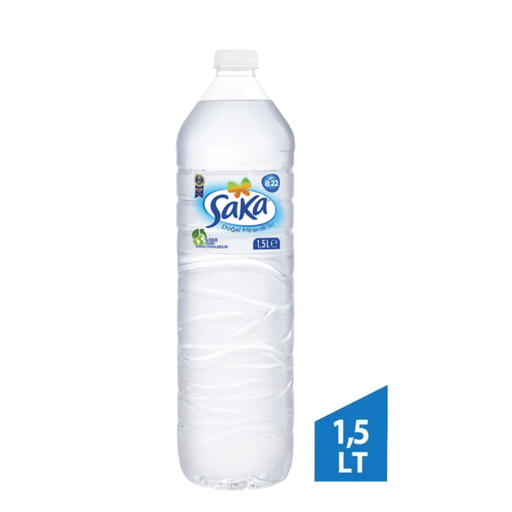
Why it suits this profile: A straightforward choice for everyday use, cooking, entertaining or topping up your household supplies.
The size and composition are clearly stated: 1.5 litres of natural mineral water with no listed allergens.
Still water, 1,500 ml per bottle and origin Türkiye according to the product information.
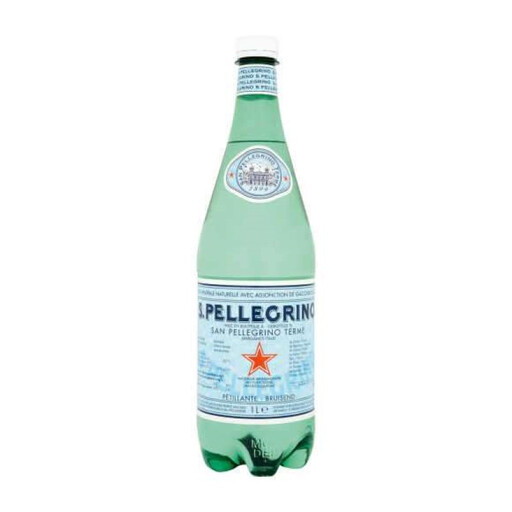
Why it suits this profile: Suitable for anyone who wants to serve sparkling water with a meal, at dinner or on a special occasion.
The product information clearly states that it is natural mineral water with carbonation and a volume of 1 litre.
0 kcal and 0 g of sugar per 100 ml according to the stated nutritional information; made in Italy.
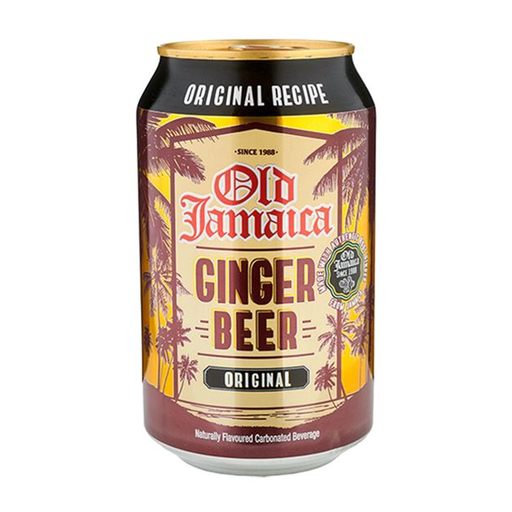
Why it suits this profile: An option for fans of a bold ginger beer, enjoyed on its own or used as a cocktail mixer.
The product description states that it is alcohol-free, comes in a 330 ml can and contains ingredients such as carbonated water, sugar and ginger extract.
330 ml per can, a strong ginger flavour according to the product description and suitable for use as a mixer.
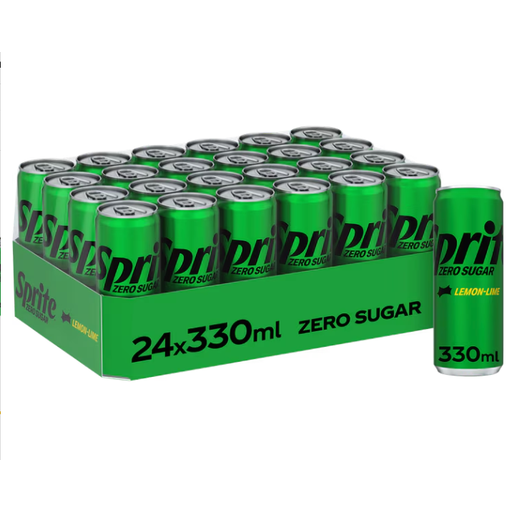
Why it suits this profile: Convenient for parties, keeping at home or serving chilled as individual sugar-free portions.
The multipack states both the number of cans and the volume per can. This allows you to calculate the price per litre.
24 cans of 330 ml, 0 g of sugar per 100 ml according to the product information and caffeine-free.
We have put together a complete, up-to-date list of products that fully meet these strict selection criteria and the applicable European safety regulations.
If you are looking for sugar-free iced tea, consider Lipton Ice Tea Green Zero or Lipton Sparkling Zero Ice Tea. Both are described as sugar-free, but do check the sweeteners on the label. For a fruity, lightly sparkling option, Charlie’s Sparkling Water Cassis and Passionfruit are available in packs of 12 x 330 ml.
Asian drinks include LOTTE CHILSUNG Pepsi Zero Sugar Peach. According to the product information, this multipack contains 24 cans of 355 ml and uses peach, cola and oolong tea flavourings. Beypazari and SAKA are practical examples of Turkish drinks. Caribbean drinks include products such as Old Jamaica Ginger Beer.
With kombucha, such as Nexba Ginger Lemon Kombucha, pay extra attention to the storage instructions, ingredients and whether live cultures are mentioned. According to the product description, this product contains live cultures; that is not a reason to make medical or health claims about the drink.
That depends on the price per litre, multipack discount and delivery costs. Always compare the total price, including delivery. A large pack may offer better value per litre, but may be less suitable if you have limited storage space or want to try different flavours.
Store unopened drinks in a cool, dry place away from direct sunlight. After opening, many products need to be refrigerated and consumed within the period stated on the packaging. For glass bottles and cans, also check that the seal or packaging is undamaged.
For a party, multipacks of 330 ml cans are practical. Tonic water and ginger beer can be used as mixers, while sparkling water and mineral water are suitable neutral options. With alcohol-free drinks, always check the stated alcohol percentage and choose based on flavour, size and the ingredients list.
