
Vandaag of morgen in huis

Kwaliteit gegarandeerd

Welkomstaanbiedingen ontgrendelen: GRATIS bezorging | Tot 80% korting | Gratis 30 dagen JoyPlus-proefperiode
Download de app
Online buying drinks may seem straightforward, but the selection varies considerably. Are you looking for a tropical drink to accompany a meal, a fruit drink for the family, coconut water for on the go, or a protein drink after exercising? In that case, taste and price are not the only factors worth considering.
As a Joybuy Product Recommendation Officer, I focus primarily on verifiable information on the label: ingredients, nutritional values, volume, allergens, usage instructions and shelf life. This helps prevent eye-catching packaging or vague health claims from making the decision for you.
A fruit-inspired name or image of mango, passion fruit or guava says little about the actual fruit content. Always check the ingredients list. It will show, for example, whether a drink consists largely of water, sugar, sweeteners or fruit juice from concentrate.
Maaza Guava Fruit Drink, for example, lists 16% guava juice from concentrate. The drink also contains water and sugar and provides 6.9 grams of sugar per 100 ml according to the product information. This may be a suitable choice if you are primarily looking for a sweet flavour, but it is different from pure fruit juice.
A sugar-free drink may contain sweeteners. Products labelled “no added sugar” may still contain naturally occurring sugars from fruit. Always review the nutritional values per 100 ml rather than relying solely on the front of the packaging.
Iam Superjuice Passionfruit Drink states that it contains no added sugar and provides 17 kcal per 100 ml. Capri-Sun Monster Alarm Zero Sugar lists 3 kcal and less than 0.5 grams of sugar per 100 ml. These are objective differences that make comparison easier.
A vitamin drink is not the same as a food supplement. A drink may contain vitamin C, vitamin D or other micronutrients, while a multivitamin provides several vitamins and minerals in tablet form. When choosing a protein drink, look beyond the protein content and also check for milk allergens, salt, calories and serving size.
Claims about the effects of vitamins or supplements should not be interpreted as personal health advice. According to the manufacturer’s product information or the label, certain nutrients may contribute to normal bodily functions. If you take medication, are pregnant or breastfeeding, or have a medical condition, first check the instructions on the packaging and seek professional advice if necessary.
Start by comparing the values per 100 ml:
Then consider the total package. A 330 ml can, a 1-litre bottle and a 12-pack are not directly comparable. For family-sized packaging, also calculate how many glasses it provides.
Anyone buying vegan, lactose-free or gluten-free products should check the product information carefully. The formulation may vary by flavour or batch. According to the label, Yakult Vitals Strawberry contains a soy base and 2.6 grams of protein per 100 ml. Fristi Red Fruit is a yoghurt drink and contains milk.
Optimum Nutrition Protein Water lists whey protein isolate. It is therefore not a vegan product and contains milk. The product information for Centrum Family Multivitamin lists no allergens and states that the product is gluten-free and lactose-free; the supplement is not vegan.
A large multipack can offer good value, but only if you will use the drinks before they expire. Pay attention to:
Coconut water in cans is easy to store before opening. Once opened, the package generally needs to be refrigerated and consumed promptly. For supplements, dosage, age recommendations and storage in a sealed container are at least as important as the number of tablets.
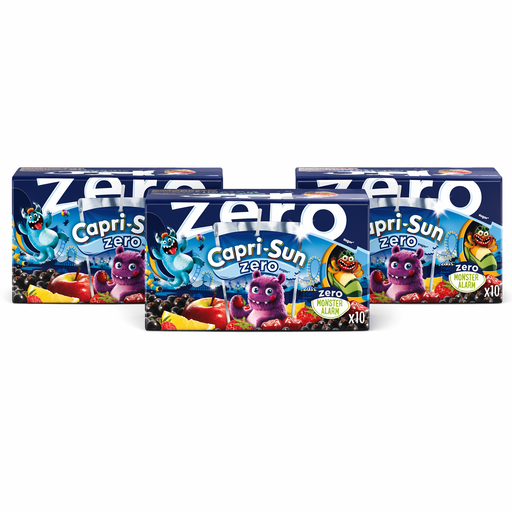
Why it’s a good fit: Convenient portions for families, lunch boxes or days out. The compact packages are easy to take with you.
The product information clearly states zero sugar, 7% fruit content and the use of sweeteners. You therefore know exactly what “sugar-free” means in this case.
200 ml per pouch, 3 kcal per 100 ml and suitable for dry, cool storage.

Why it’s a good fit: For adults and families looking for a tropical coconut drink in a convenient stock-up format.
The product description states that it contains 100% coconut water, 2% coconut pieces and no added sugar. Check the current packaging upon delivery.
12 cans of 330 ml, vegan according to the product information and best served chilled.
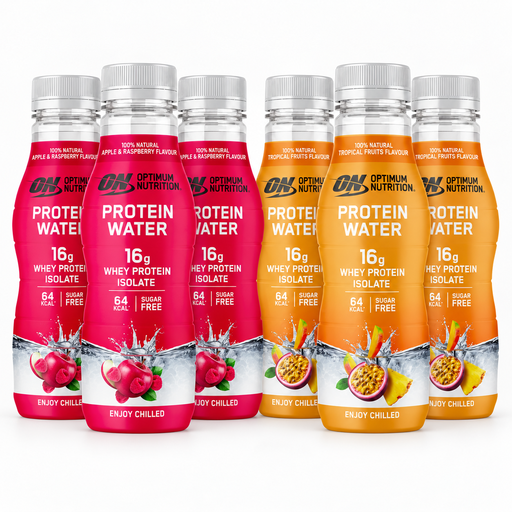
Why it’s a good fit: For anyone who wants a ready-to-drink protein beverage after exercising or on the go, without mixing.
The quantity is specified per bottle: 16 grams of protein in 350 ml. Milk is also listed as an allergen, allowing you to make an informed choice.
64 kcal, 0 grams of sugar and 0 grams of fat per bottle according to the product information; three apple-raspberry flavours and three tropical fruit flavours.
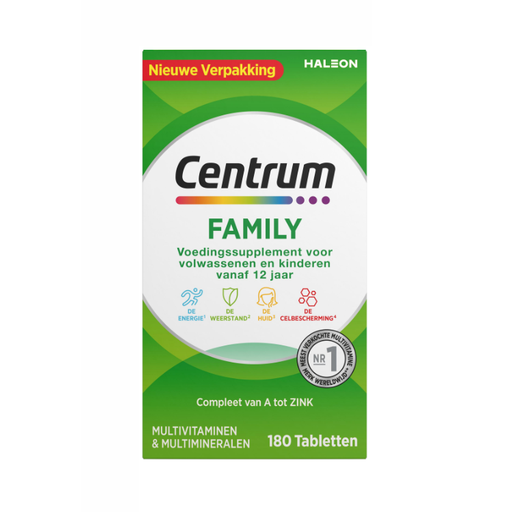
Why it’s a good fit: For adults and children aged 12 and over who prefer taking one tablet a day instead of drinking a vitamin beverage every day.
The packaging specifies the dosage: one tablet per day with plenty of water, preferably with a meal. Do not exceed this dosage.
180 tablets containing, among other nutrients, vitamins A, the B complex, C, D and E, plus minerals such as calcium, magnesium and zinc.
Browse a current selection of nutritious foods and drinks, from tropical beverages and fruit drinks to food supplements.
Check the number of grams of sugar per 100 ml and whether sweeteners have been used. “No added sugar” does not always mean sugar-free. A fruit-based drink may contain naturally occurring sugars.
No. Coconut water comes from coconuts and may contain coconut pieces. A fruit drink may contain water, fruit juice from concentrate, sugar, sweeteners and flavourings. Always compare the ingredients list and nutritional values.
Store unopened drinks according to the label, usually in a cool place away from direct sunlight. Refrigerate opened drinks if instructed. Store multivitamins and other food supplements in a dry, sealed place, out of reach of young children. Always check the current packaging, dosage, allergens and best-before date before use.
