
Vandaag of morgen in huis

Kwaliteit gegarandeerd

Welkomstaanbiedingen ontgrendelen: GRATIS bezorging | Tot 80% korting | Gratis 30 dagen JoyPlus-proefperiode
Download de app
Buying drinking yoghurt seems straightforward – until you have to choose between a 1-litre bottle, individual 200 ml portions, a multipack or a version with no added sugar. Terms like “0% fat”, “source of calcium” and “fruit” don’t tell the whole story either.
For families, schoolchildren and adults who want something quick to grab, there are three main pitfalls to watch out for:
Don’t just look at the front of the packaging. Compare the table per 100 ml. This way you can see the difference between varieties and sizes without the portion size affecting the comparison.
For the Fristi Red Fruit Low-Fat Drinking Yoghurt, the values per 100 ml include 43 kcal, 0 g fat, 7.7 g sugars and 70 mg calcium. The no-added-sugar version lists 52 kcal, 0 g fat, 5.4 g sugars and 146 mg calcium per 100 ml. So “no added sugar” here does not mean there are no sugars present. According to the product information, sweeteners are used.
Also pay attention to the portion size. A 200 ml bottle naturally contains roughly twice the amount of the values per 100 ml. For children, also check the allergen information: the dairy drinks mentioned contain milk.
A product with red fruit may, for example, contain fruit juice from concentrate, sugar, fructose syrup, stabilisers and flavourings. That’s not automatically a problem, but it is relevant information if you’re deliberately looking for a simple composition.
With a Fristi drinking yoghurt with red fruit, strawberry, raspberry and cherry are listed. The fruit component in the product information is 3%. If you’re mainly after a fruit flavour, you can compare this with a peach or strawberry variety.
An important distinction: Yakult drink in the breakfast bundles is, according to the product information provided, a soya-based drink with fruit juice – not the same type of dairy drink as drinking yoghurt. The bundle also includes a Baumkuchen. So always check the ingredients and allergens, especially if you have a milk or soya allergy.
A multipack of 200 ml drinking yoghurts is ideal for school, work, a day out or a quick yoghurt drink on the go. Individual bottles are easy to hand out and don’t need to be resealed.
A 1-litre bottle is more convenient for breakfast at home or for several family members. Once opened, it should be kept refrigerated according to the product information, usually at a maximum of 7 °C, and used within the stated period. An unopened product can, depending on the variety, be stored outside the fridge; always follow the label for this.
“Just grabbing one to take with you” doesn’t mean chilling isn’t important. Use a cool bag in warm weather and check the packaging for damage. Shake the drinking yoghurt if the label says so, and serve chilled.
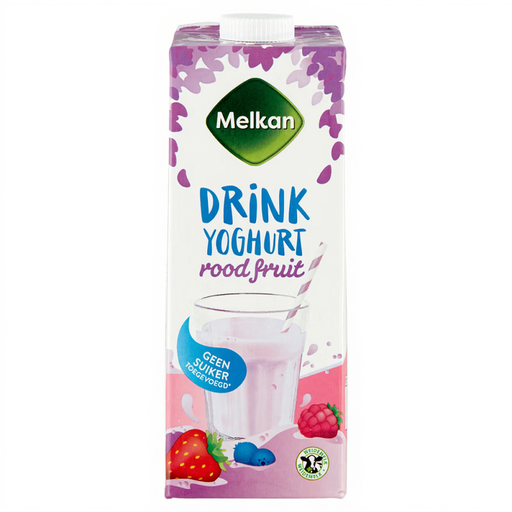
Why this fits the profile: The 1-litre size is practical for home use and for several glasses at breakfast or snack time.
The nutritional information states 0 g fat and 2.3 g sugars per 100 ml. Do check the sweeteners in the ingredients list.
1 litre content, red fruit flavour, 0 g fat per 100 ml and shelf-life information on the packaging.
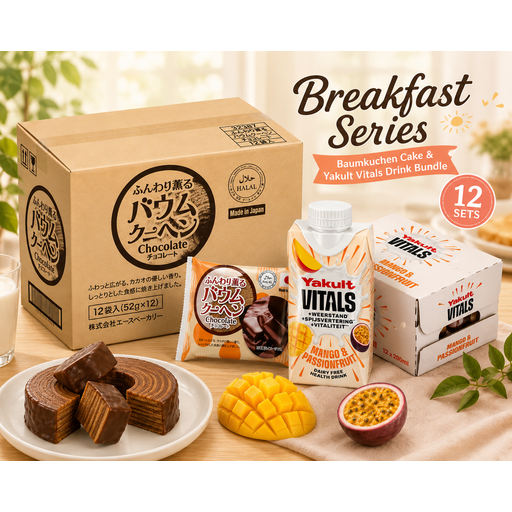
Why this fits the profile: This bundle combines a soya-based drink with an individually wrapped Baumkuchen and is designed for a complete breakfast or snack moment.
The combination makes it clear that this is not a standard drinking yoghurt. The product information lists soya and sugar; check allergens and nutritional values beforehand.
12 sets, mango-passion fruit flavour of the drink according to the product information, and a solid snack combination.
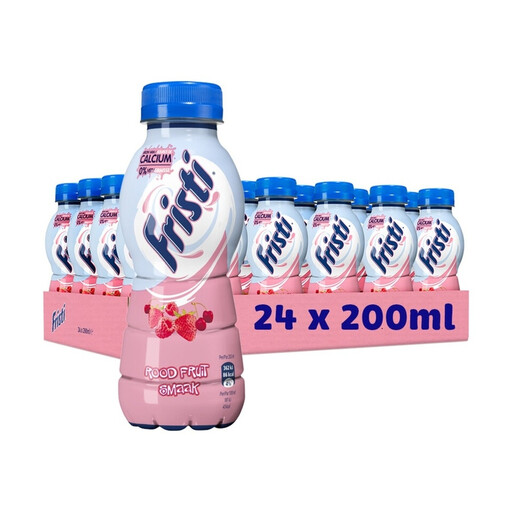
Why this fits the profile: The large multipack is ideal for families, lunchboxes and anyone who regularly needs a fixed portion.
The 200 ml portion means a large bottle doesn’t have to be opened repeatedly. The drink does contain 7.7 g sugars per 100 ml.
24 individual bottles, 0 g fat per 100 ml, red fruit flavour and suitable for taking chilled on the go.
We’ve put together a full, up-to-date list of products that fully meet these strict selection criteria and comply with current European safety regulations.
No. “No added sugar” means that no sugar has been added during production. Naturally occurring sugars from milk or fruit can still be present. Some varieties also use sweeteners. So check both the nutritional information table and the ingredients list.
A 200 ml bottle is usually practical for a lunchbox or yoghurt drink on the go. A multipack with individual portions, such as 6 x 200 ml or 24 x 200 ml, is suitable when several family members regularly take a bottle with them. Use a cool bag if chilled storage is needed.
That depends on the price per pack and the amount you actually use. Divide the price by the total number of millilitres to make a fair comparison. A 1-litre bottle can be good value for home use, while individual 200 ml bottles offer extra convenience and produce less leftover product after opening.
Not always. The Yakult bundles mentioned contain, according to the product information, a soya-based drink with fruit juice, alongside a Baumkuchen. So they are more suited to fans of Japanese snacks and a breakfast bundle than to someone specifically looking for traditional drinking yoghurt.
