
Vandaag of morgen in huis

Kwaliteit gegarandeerd

Welkomstaanbiedingen ontgrendelen: GRATIS bezorging | Tot 80% korting | Gratis 30 dagen JoyPlus-proefperiode
Download de app
Dried mango is handy for on the go, in a lunchbox or as a tropical snack with your coffee. Yet dried mango slices vary greatly in taste, texture, sugar content, packaging and origin. A soft slice with plenty of fruit is a very different product from a sweet confectionary-style version with mango flavouring.
When shopping online, you mainly come up against three pitfalls:
The mango percentage is usually stated in the ingredients list or in the quantitative ingredient declaration. A higher mango content doesn't automatically mean everyone will prefer the taste, but it does give you a reliable point of comparison.
Also look out for:
Sulphites are relevant allergens. The product information must therefore clearly state that the product contains sulphites. If you have an allergy or intolerance, always check the physical label when you receive it.
Don't just compare the calorie count, but especially carbohydrates, sugars and salt per 100 grams. The values vary considerably. For example, MUSHAN BASE states 343 kcal and 36.3 grams of sugar per 100 grams. Yan Jin Pu Zi Large Dried Mango Slices states 331 kcal and 61.5 grams of sugar per 100 grams. This difference can be due to the recipe used and the way the nutritional values are calculated.
A small bag of 50 or 70 grams can be handy for portion control. A pack of 160 or 227 grams makes more sense if you regularly eat dried fruit or want to stock up for the family.
Choose based on when you want to eat the mango:
Not every mango-related purchase is dried fruit. Mango chutney is a condiment for poppadoms, curry, salad or bread. Mango pudding, mango mochi and mango gummies are desserts or sweets with a different texture and composition.
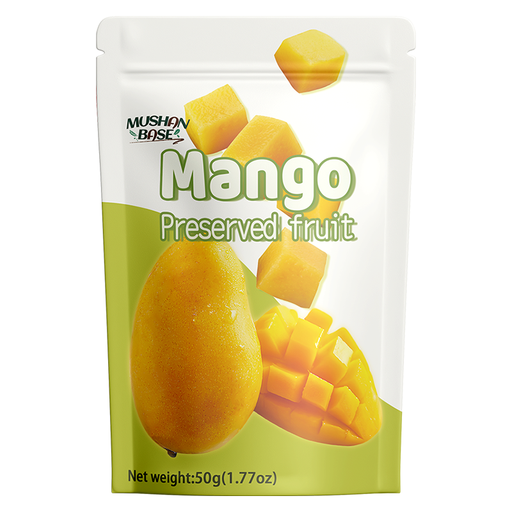
Why this fits the profile: The small pack is ideal as a first introduction to dried mango or as a snack for on the go.
The mango content is stated as a minimum of 79.5% and the packaging lists sulphites as an allergen.
50 grams, individually packed and, according to the product information, soft and chewy.

Why this fits the profile: The larger pack is practical for enthusiasts who eat dried mango slices more often or want to share.
The label states 83% mango, so you can directly compare the fruit content with other varieties.
160 grams, ready to eat and, according to the product information, soft and chewy.
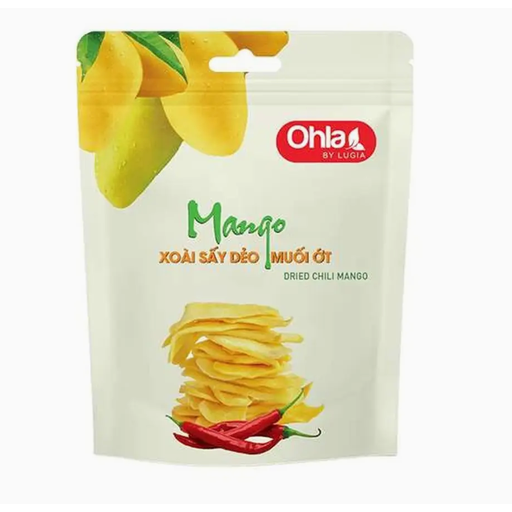
Why this fits the profile: This variety is designed for snackers who want to combine sweet, sour and chilli in one mango snack.
The product information lists mango, sugar, chilli and sulphite separately; the flavour is therefore not simply described as "tropical".
200 grams and, according to the label, no artificial flavourings or preservatives, with sulphite listed as a preservative.
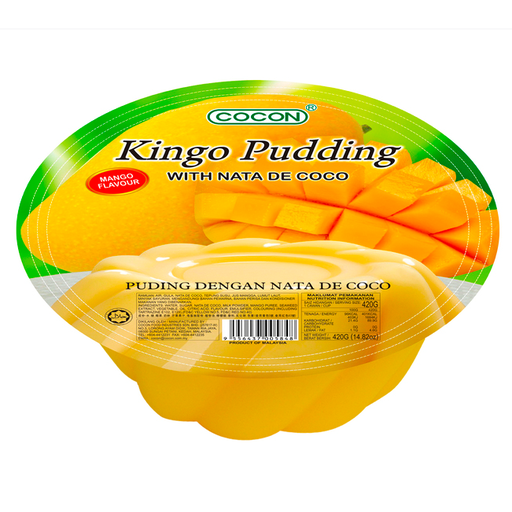
Why this fits the profile: For those who aren't looking for dried fruit but a chilled mango dessert with soft pudding and nata de coco pieces.
The product name and description make it clear that this is mango pudding and not dried mango slices.
420 grams, from Malaysia and, according to the product information, to be served chilled.
We've put together a full, up-to-date list of products that fully meet these strict selection criteria and current European safety regulations.
Dried mango falls under dried fruit, but the recipe varies by brand. Some products contain only mango, while other varieties include sugar, glucose syrup, acidity regulators, flavourings or preservatives. So always check the ingredients and the nutritional information.
Store the pack according to the label in a cool, dry place, away from direct sunlight and moisture. Seal an opened bag tightly to maintain the soft texture. Some product information advises consuming soon after opening; in that case, follow the instructions on the pack.
Sweet dried mango usually contains mango with sugar and sometimes acidity regulators. Spicy varieties add chilli, salt and spices. With a spicy Thai or Vietnamese style, therefore, check not only the sugar content but also the salt and the sulphites present.
