
Vandaag of morgen in huis

Kwaliteit gegarandeerd

Welkomstaanbiedingen ontgrendelen: GRATIS bezorging | Tot 80% korting | Gratis 30 dagen JoyPlus-proefperiode
Download de app
Dried fruit is handy for home, on the go, in the office and in the kitchen. It has a long shelf life, takes up little space and can be eaten straight from the packet. Yet the choice is often less straightforward than it seems. A fruit snack can contain not only fruit but also sugar, syrup, oil, salt, colourings or preservatives.
If you only look at the front of the packaging, you could end up paying for a product that doesn't match how you want to use it. With these practical checks, you can compare dried mango, raisins, dried prunes, dried apricots, dried dates, dried jujubes and traditional snacks more easily.
Dried fruit naturally contains concentrated sugars because the water has been removed. Some varieties also have sugar, glucose syrup or fruit syrup added. So always check the ingredients list and the nutritional information per 100 grams.
For example: Sundrop Mini Raisin Handouts is made up of 99.5% raisins and sunflower oil, according to the product information. The nutritional values show 70 grams of sugars per 100 grams. That makes it a straightforward choice in terms of ingredients, but it doesn't automatically mean you can eat it without limit.
Candied fruit, hawthorn snacks and sweet-and-sour snacks are often processed fruit products. They can have a completely different taste and texture to pure dried fruit. For instance, Be&Cheery Various Dried Plum contains prunes as well as sugar, salt, potassium sorbate, sodium saccharin and flavourings.
That's not a problem if you're deliberately looking for a sweet-and-sour or traditional snack. But it becomes a bad buy if you actually wanted just fruit with no extra ingredients.
A 500g bag is practical for baking, cooking or a household that eats dried fruit regularly. For a bag, desk drawer or lunchbox, a smaller pack is more convenient. Individually wrapped portions are easy to take with you, but can mean more packaging material.
Also pay attention to the storage instructions. Most products need to be kept cool, dry and out of direct sunlight. Once opened, sealing the pack well is important to limit moisture and loss of quality.
First, look at the order of the ingredients. What's listed first is usually present in the largest amount. With dried apricots, for example, apricot may be the base, but sugar, maltose syrup, acidity regulator, flavouring or sulphites can also be present.
Sulphites are relevant for people who need to avoid them. In the product information for Philippine Brand Dried Mango and X.O Dried Mango, sulphites are listed. So always check the current label on the packaging; product information and composition can change.
Don't just compare calories, but especially:
With traditional Asian snacks, the nutritional values can be noticeably different from pure dried fruit. For example, Bestore Assorted Hawthorn contains several forms of preserved hawthorn and lists 85 grams of sugars per 100 grams. That's more of a sweet treat than a neutral fruit store.
If you want to eat it straight away, choose a product clearly labelled "ready to eat". Dried dates and dried jujubes without stones are also easier to use in porridge, stews, tea and baking.
For baking, firm raisins, dates or jujubes work well. For on the go, soft mango, prunes or individually wrapped hawthorn snacks can be more pleasant. With young children, be aware of potential choking hazards and follow the warnings on the packaging.
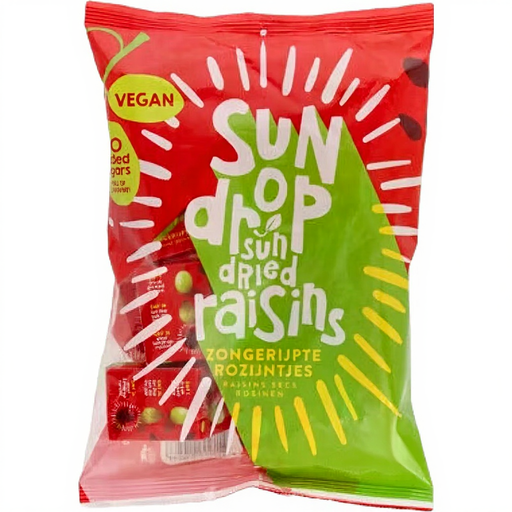
Why this suits the profile: A straightforward pack for anyone getting to know raisins or looking for a supply for breakfast and snacking.
The ingredients list is short: 99.5% raisins and sunflower oil. So you can quickly see what you're buying.
252 grams, ready to eat and, according to the product information, free from the 14 major EU allergens.
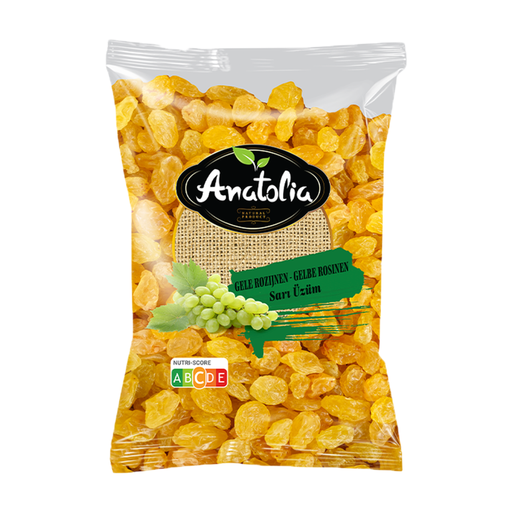
Why this suits the profile: For anyone wanting a large supply with a simple composition for breakfast, baking and savoury dishes.
The stated composition is 100% dried grapes, with no listed syrup or added sugar.
500 grams and versatile for use in muesli, cake, salads, rice dishes and stews.

Why this suits the profile: A large supply of stoneless dried jujubes for snacking, cooking, baking or making tea.
The listed ingredients are 100% red dates. The stoneless design saves extra preparation.
500 grams, ready to eat and suitable for both sweet and savoury preparations.
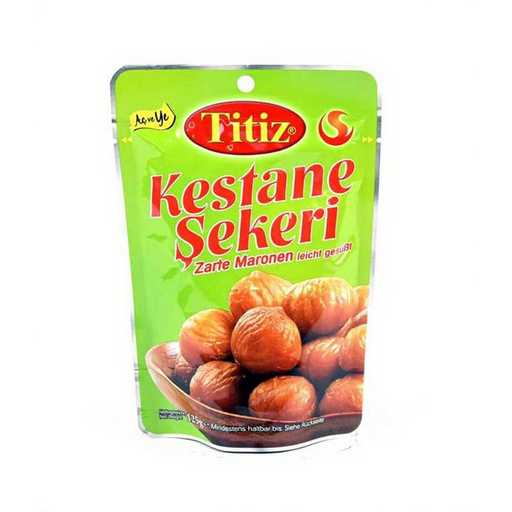
Why this suits the profile: For anyone looking for a soft, sweet Turkish speciality that can be eaten straight from the pack.
The product information lists two main ingredients: chestnuts and white sugar. So the sweet preparation is clear.
125 grams, ready to eat and with no listed colourings or preservatives.
We've put together a full, up-to-date list of products that fully meet these strict selection criteria and current European safety regulations.
That depends on the product and the portion. Pure dried fruit can consist of a single ingredient, but the drying process does concentrate the natural sugars. With candied fruit and hawthorn snacks, extra sugar, syrup or salt is often added. So compare the ingredients list and nutritional values rather than just looking at the front of the pack.
Keep the pack cool, dry and out of direct sunlight. Seal the bag well after each use. Always follow the instructions on the label and check the best-before date. Products with a soft texture can absorb moisture more quickly if the pack is left open.
Raisins, dried dates, dried jujubes and dried apricots are practical for cake, bread, porridge and desserts. You may want to chop larger fruits into smaller pieces and check beforehand whether they contain stones. For a more distinctive flavour, you can also use dried mango or a small amount of candied fruit.
