
Vandaag of morgen in huis

Kwaliteit gegarandeerd

Welkomstaanbiedingen ontgrendelen: GRATIS bezorging | Tot 80% korting | Gratis 30 dagen JoyPlus-proefperiode
Download de app
Dried dates might seem straightforward to choose, but the differences between packs can be significant. One variety is soft and fleshy, another is crunchy or processed with sugar. The names can also be confusing: red dates, Chinese dates and jujubes often refer to dried fruit from the jujube plant, whereas Turkish dates usually have a different flavour and texture.
When buying dried dates online, it pays to look beyond the packaging or a term like “premium”. Instead, check the ingredients, whether the fruit contains a stone, and how you plan to use the dates.
Dried fruit naturally contains a lot of sugar because water has been removed from the fruit. That’s different from a product that has had extra sugar, syrup or maltose added.
So check the ingredients list:
For example, the product information for Zohra Dates states 100% dried dates, with no added sugar or preservatives. Processed snacks, such as date and walnut cakes, list maltose syrup and rice flour among the ingredients.
Dates without stones are convenient if you want to eat them straight away, chop them for baking or blend them into a smoothie. However, you still need to read the label carefully. Some packs are stone-free, while others contain whole fruit with stones.
With mechanically pitted products, the product information notes that a small piece of stone may occasionally remain. So always check the texture of the fruit before serving it to children or using it in desserts.
“Grade A”, “premium” or “gold grade” are commercial labels. They don’t automatically tell you how soft, sweet or large the dates are. Instead, look for verifiable details:
For dates as a snack, baking and breakfast, soft, chewy fruit is usually more practical. They can be stuffed with nuts, chopped through granola or used in biscuits and cakes.
Crunchy red dates or jujubes are better suited as a light snack or topping. They offer a different mouthfeel to soft fruit. Products that have been processed with oil can also contain significantly more fat and calories than 100% dried fruit. Check the nutritional information table for this.
Choose dates without stones if convenience matters to you. For tea, soup and stews, a product with stones can also work, but the stone must be removed before eating. The size also influences how you use the dates:
For a simple, naturally sweet snack, a short ingredients list is usually clearer. Look out for words like sugar, syrup, palm oil, salt, preservatives and flavourings.
The term “wash-free” means, according to the product description, that the product can be eaten straight from the pack. Always follow the current pack instructions and storage advice. Store dried dates in a cool, dry place, tightly sealed and away from direct sunlight. Once opened, the texture can change more quickly due to moisture in the air.

Why this fits the profile: This 500g pack offers a manageable quantity to try Chinese dates and their soft, chewy texture. According to the product description, the jujubes are ready to eat.
The ingredients list states jujube (100%), with no added sugar or other ingredients according to the product information.
500g, ready-to-eat and, according to the label, free from allergens. Suitable for snacking, tea, soup and desserts.
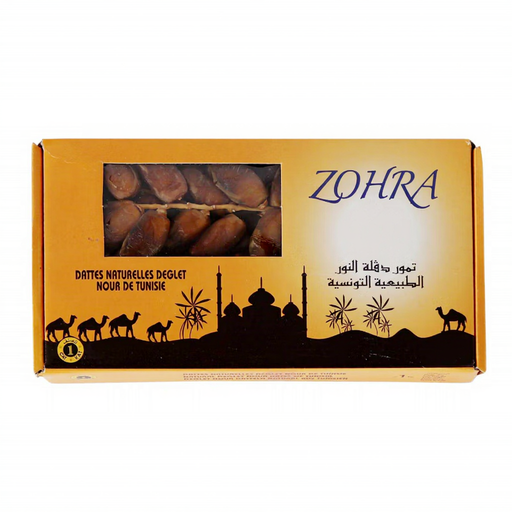
Why this fits the profile: A generous pack for anyone who regularly uses dried dates as a snack, in baking, at breakfast or for cooking.
The product information states 100% dried dates, with no added sugar or preservatives. This makes the composition easy to check.
1 kilogram, soft whole dates and a stated energy value of 281 kcal per 100 grams. Origin according to the product information: Turkey.

Why this fits the profile: Handy for anyone who regularly uses red dates in tea, soup, desserts, porridge or baking recipes and doesn’t want to remove stones.
The product information states red dates (100%) and a stone-free version. This makes the composition and use clear.
500g, ready to eat and suitable for tea, soups, desserts and cooking. The label states 100% jujube.
We’ve put together a full, up-to-date list of products that fully meet these strict selection criteria and comply with current European safety regulations.
Store the pack in a cool, dry and well-ventilated place, away from direct sunlight. Seal the bag tightly after each use. This helps to limit moisture, stickiness and loss of quality. Always check the best-before date on the pack, as this varies by product.
A soft date can become firmer as it dries out. Crunchy products can become softer if they absorb moisture. After opening, use an airtight container if the original pack doesn’t reseal well.
Not always. Turkish dates and Chinese red dates, also called jujubes, are different product groups. They can both be sweet and dried, but they differ in size, texture and use. So check the product name, ingredients and origin.
Many products are described as ready to eat. With stone-free dates, this is especially convenient. Do check whether the product contains stones and follow the storage advice on the pack. Washing instructions can vary by product.
Cut soft, stone-free dates into pieces and add them to tea, porridge, compote, cake or desserts. Red dates can also be used in soup or savoury dishes. With processed snacks, watch out for added sugar, syrup, oil and allergens, especially if you’re looking for a simply composed product.
