
Vandaag of morgen in huis

Kwaliteit gegarandeerd

Welkomstaanbiedingen ontgrendelen: GRATIS bezorging | Tot 80% korting | Gratis 30 dagen JoyPlus-proefperiode
Download de app
Choosing the right dog food can feel like navigating a maze. The shelves are packed with bags screaming for attention with claims like "natural," "premium," or "with superfoods." As a Product Recommendation Officer at Joybuy, I see owners struggle daily to make the right choice for their four-legged friends. My job is to cut through the marketing hype and provide you with objective, practical advice. Let's avoid the most common pitfalls and focus on what truly matters.
Before you buy dog food, it's helpful to know which marketing tactics often promise more than they deliver.
To make an informed choice, it's best to focus on a few verifiable specifications on the packaging.
Dogs are natural carnivores. Animal proteins are therefore the cornerstone of a good diet. Look at the first few ingredients on the list. Do you see specific meat or fish types like fresh chicken, lamb, or herring? That's a good sign. A high percentage of crude protein (often between 25% and 35%) is important, especially for active or large dogs. Ingredients like chicken dog food are popular because it's a highly digestible and high-quality protein source.
The grain-free dog food trend is huge, and for dogs with a proven grain allergy or intolerance, it's a great solution. For many dogs, however, grains are not a problem. In fact, traditional grains with a low glycemic index, such as spelt and oats, can provide a stable release of energy. The key is that the grains are of good quality and not used as cheap filler.
Good food is tailored to your dog's life stage and needs.
Below are some popular choices, matched with the profiles of dog owners we often see.
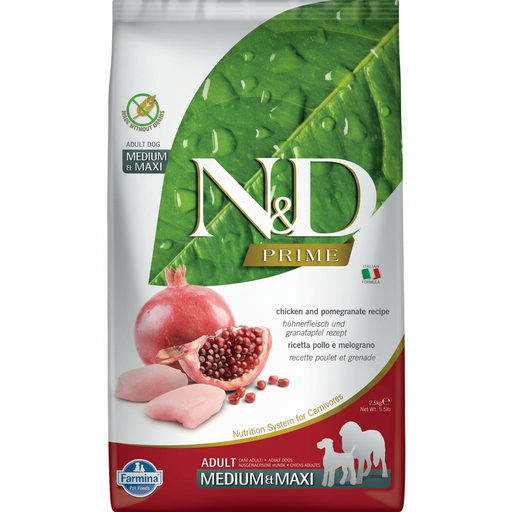
Why This Fits Their Persona: For the owner who reads the label thoroughly and settles for nothing less than clear, high-quality ingredients for their active, medium, or large dog.
This food bypasses the "natural" illusion through specificity. The ingredient list starts with fresh and dehydrated chicken, not vague terms. It's grain-free, which is a deliberate choice rather than a marketing gimmick.
High protein content (34%) with 98% from animal sources. Completely grain-free, using peas and chickpeas as the carbohydrate source.
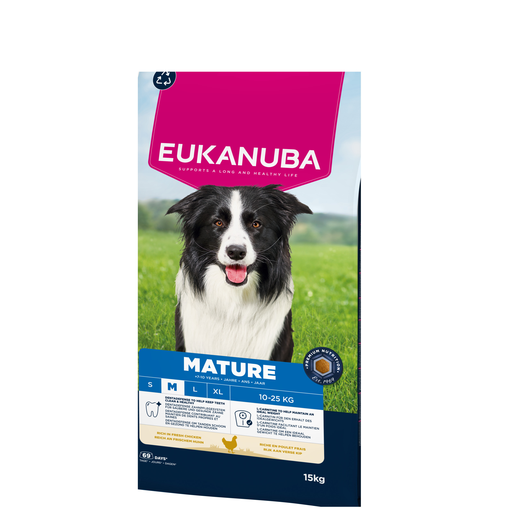
Why This Fits Their Persona: For the owner of a medium-sized dog aged 7 or older, who is looking for nutrition specifically tailored to the needs of an aging animal.
This food tackles the "one-size-fits-all" myth. It is specifically formulated for the 'mature' life stage (7-10 years) and contains functional ingredients relevant to this group, rather than being a generic adult formula.
Contains L-Carnitine for weight management and glucosamine and calcium for healthy joints and bones. The special kibble shape (DentaDefense) helps keep teeth clean.
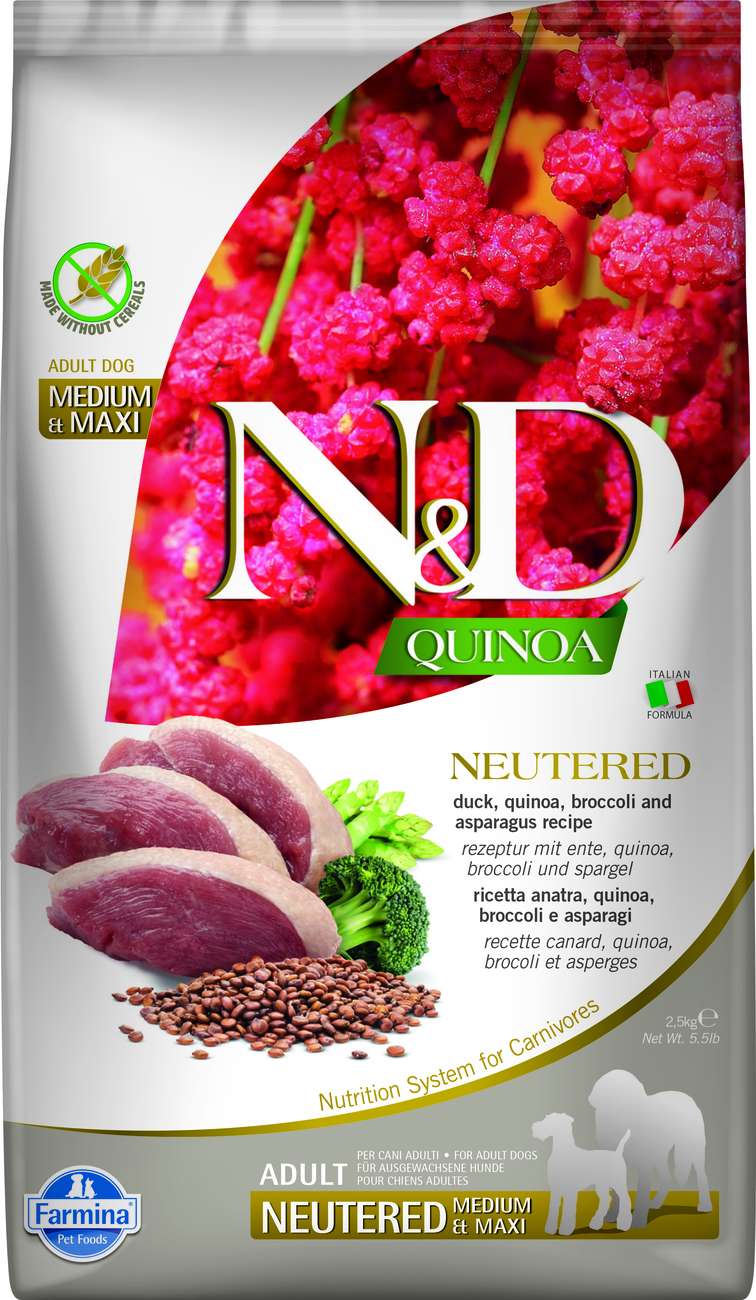
Why This Fits Their Persona: Ideal for the owner of a spayed or neutered dog who is consciously seeking a food that helps with weight management without compromising on nutritional quality.
This food doesn't focus on a vague "superfood" but builds the entire formula around a functional purpose: weight management. The combination of duck, quinoa, broccoli, and asparagus is deliberate and functional.
Lower fat content (11%) and higher fiber content (5.7%) for a feeling of fullness. Quinoa is a high-quality, gluten-free carbohydrate source. Contains L-carnitine to support fat metabolism.
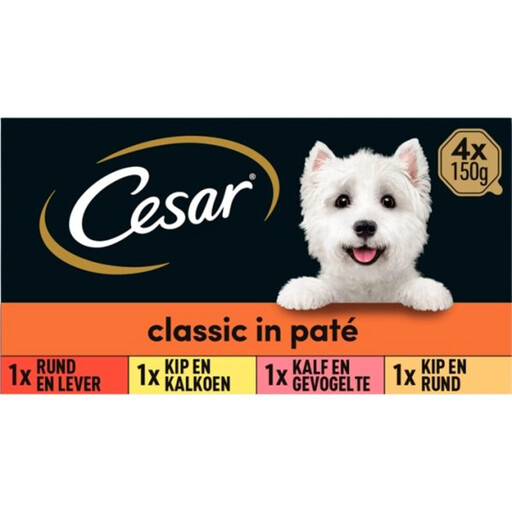
Why This Fits Their Persona: Perfect for owners who love to spoil their dog with variety, or for dogs who prefer the texture and taste of `wet dog food`. Also suitable as a tasty topper for kibble.
This product offers variety without compromising on the fundamentals. It is a complete food, not a 'snack'. The multipack with different flavors prevents a dog from becoming fixated on a single taste.
Four different flavors in one pack. According to the manufacturer, it's made with natural ingredients and without added sugars or artificial flavors. Convenient portion-sized trays.
We have compiled a complete, up-to-date list of products that meet these selection criteria and comply with Dutch regulations.
A sudden switch can cause gastrointestinal upset. Gradually mix the new food with the old food over a period of 7 to 10 days. Start with 25% new food and 75% old food, and slowly increase the ratio until you have fully transitioned.
Kibble (dry food) is generally better for dental health due to its abrasive action, has a longer shelf life after opening, and is often more cost-effective. Wet food contains a lot of moisture, which aids in hydration, and is considered more palatable by many dogs. A combination of both is also a popular option.
The recommended amount is always on the packaging and is based on your dog's weight and activity level. However, this is a guideline. Monitor your dog's body condition. You should be able to feel the ribs, but not see them. Adjust the amount if your dog gains or loses weight.
