
Vandaag of morgen in huis

Kwaliteit gegarandeerd

Welkomstaanbiedingen ontgrendelen: GRATIS bezorging | Tot 80% korting | Gratis 30 dagen JoyPlus-proefperiode
Download de app
The dog food aisle can be overwhelming. Dozens of brands, flavours, and formulas all promise the best for your four-legged friend. But how do you know what's genuinely a good choice versus what's just clever marketing? As a Product Recommendation Officer at Joybuy, I'm here to help you cut through the noise and make a practical choice. We'll look at the pitfalls that cost you money and the specifications that truly matter.
Before you put a bag of dog food in your shopping cart, it's wise to consider a few common missteps.
To avoid a bad purchase, there are a few objective criteria you can always check.
The choice between dry and wet food depends on your dog's needs, your budget, and your lifestyle.
A combination of both can also be a happy medium.
A glance at the label tells you more than the front of the package.
A dog's nutritional needs change throughout its life.
Below are a few highlighted products, linked to the specific needs of dog owners.
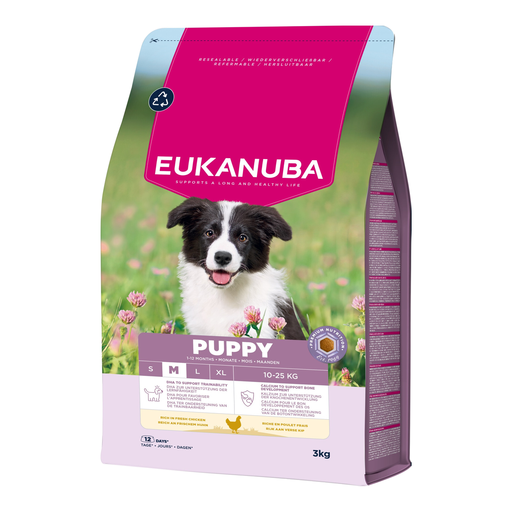
Why This Fits Their Persona: Perfect for owners of medium-breed puppies who want to build a solid foundation. This food is specifically designed for the rapid growth and development in the first year of life.
This product bypasses the "one-size-fits-all" trap by offering a formula precisely tailored to the puppy stage, with specific nutrients for growth.
According to Eukanuba, the formula contains DHA to support learning ability and calcium for the development of strong bones. Rich in fresh chicken.
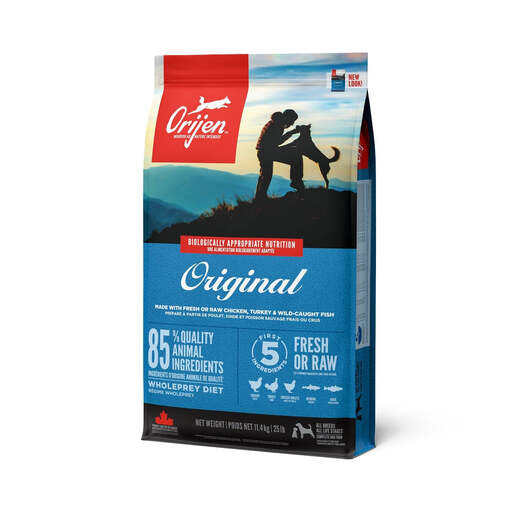
Why This Fits Their Persona: For the dog owner who scrutinises the label and seeks a high percentage of animal ingredients, similar to a natural diet.
This food avoids the trap of vague ingredients. The list is highly specific, with 25% fresh chicken and various other fresh animal sources high on the list.
High protein content (38% crude protein) from animal sources. The WholePrey ratio includes muscle meat, organs, and bone, delivering nutrients naturally.
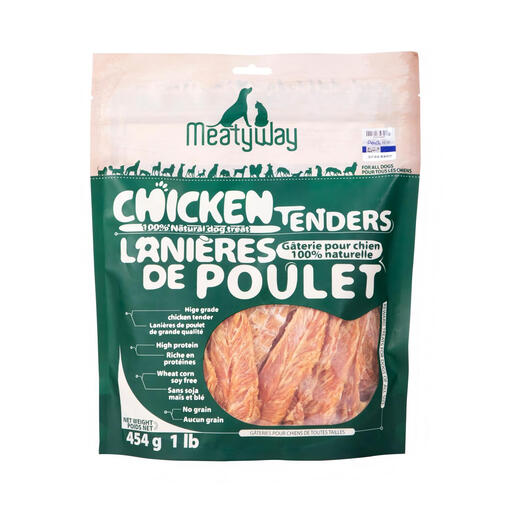
Why This Fits Their Persona: Ideal for owners looking for responsible dog treats for training or as a snack. The soft texture makes them easy to break into smaller pieces.
This snack avoids the trap of ambiguous contents. The ingredient list is short and sweet: 100% real chicken. No grains, fillers, or artificial additives.
High in protein and low in fat. The soft texture is suitable for dogs of all ages, and the chewing action helps clean their teeth.
We have compiled a complete, up-to-date list of products that meet these strict selection criteria and local regulations.
Gradually mix the new food with the old food over a period of 7 to 10 days. Start with 25% new food and 75% old food. Every few days, increase the percentage of new food until you have fully transitioned. This helps prevent digestive issues.
Not necessarily. A true grain allergy is relatively rare in dogs. Sensitivities are more common. Grain-free dog food can be a good option if your dog suffers from a dull coat, itching, or digestive complaints. When in doubt, consult a veterinarian. The most important thing remains a diet with a high-quality animal protein source.
The dog food packaging always includes a feeding guide. This is a starting point. The exact amount depends on your dog's age, breed, weight, and activity level. A dog that runs all day needs more energy than a dog that mostly lies on the couch. Monitor your dog's body condition and adjust the portion size as needed. Always provide fresh drinking water.
