
Vandaag of morgen in huis

Kwaliteit gegarandeerd

Welkomstaanbiedingen ontgrendelen: GRATIS bezorging | Tot 80% korting | Gratis 30 dagen JoyPlus-proefperiode
Download de app
Buying dinnerware seems simple enough – until you have to choose from dozens of materials, sizes and styles. A beautiful bowl can turn out to be too small for pasta in practice. A set might not save much cupboard space. And a product labelled “dishwasher safe” isn’t automatically microwave safe, either.
For British households, three things matter most: practical sizing, clear care instructions and a material that suits how you’ll use it. Keeping these points in mind will help you avoid a bad purchase and build a dinnerware collection that works for breakfast, dinner, entertaining and everyday cooking.
Reactive glazes, irregular rims and Japanese patterns give tableware a striking look. However, decorative shapes can be less practical for stacking, washing or storing. Always check the dimensions and see whether the dinnerware will fit in your kitchen cupboards.
A product description may mention suitable uses, but that doesn’t mean every appliance is safe. A ceramic plate might be microwave and dishwasher safe according to the product information, while a stainless steel bowl must not go in the microwave. Also look out for warnings about temperature changes, oven use and damaged rims.
A pasta bowl around 23 to 27 cm gives you room for pasta, salad or soup, but a deep bowl of 1,200 ml is better for large portions of ramen or hearty soup. Small salad bowls work well for side dishes, whereas mixing bowls need more space for batter, dough or a big salad.
Ceramic bowls and ceramic plates fit well into a fixed dinnerware set and offer plenty of choice in colour and shape. Check whether the product is explicitly microwave-safe dinnerware and dishwasher-safe dinnerware. With glazed ceramic, it’s wise to avoid abrasive sponges and metal cutlery if the product information advises this.
Porcelain often has a refined look and is used for plates, pasta bowls and stylish serving dishes. Irregular rims can look lovely, but they require a little more care when handling and storing.
Stainless steel mixing bowls are especially practical in the kitchen. According to the product description of some models, 304 stainless steel is suitable for direct contact with food and resistant to rust and corrosion. Do check whether the bowl must not go in the microwave. Metal does not belong in the microwave, even when it’s sold as a mixing or serving bowl.
Use these guidelines as a starting point:
Alongside the diameter, also consider the height and shape. A wide, shallow bowl works well for pasta and salad. A taller bowl keeps soup and sauce together better.
Stackable bowls help save cupboard space, especially in smaller British kitchens. Mixing bowls that nest inside each other are practical if you bake or cook regularly. For bowls with a silicone base, check whether hand washing is recommended to keep the material looking its best for longer.
With every purchase, look out for these points:
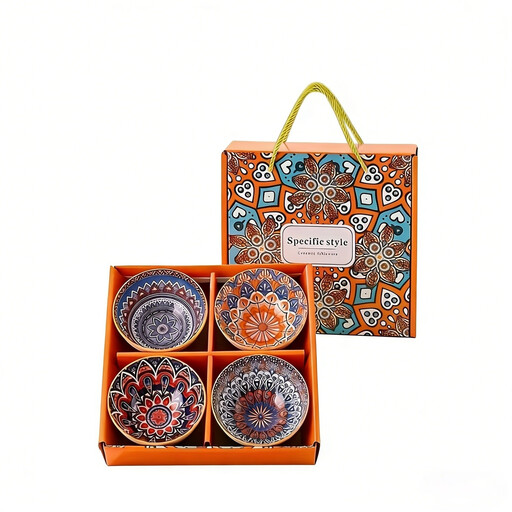
Why this fits the profile: A four-piece ceramic set provides a simple foundation for breakfast, side dishes and everyday use. Check the full product specifications for microwave and dishwasher use before purchasing.
The set stops you from having to mix and match loose bowls in different sizes. Do check the diameter, capacity and care advice first.
Four ceramic bowls in one set; suitable as a foundation for everyday serving.
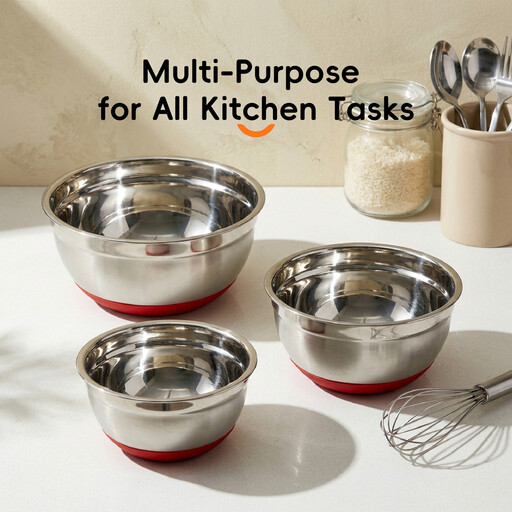
Why this fits the profile: The three stainless steel mixing bowls – 18, 20 and 22 cm – are designed for cooking, baking and food preparation.
According to the product description, the silicone base helps prevent slipping, noise and scratches during mixing. The bowls must not go in the microwave.
Nestable set; food-grade stainless steel; dishwasher safe according to the product description.
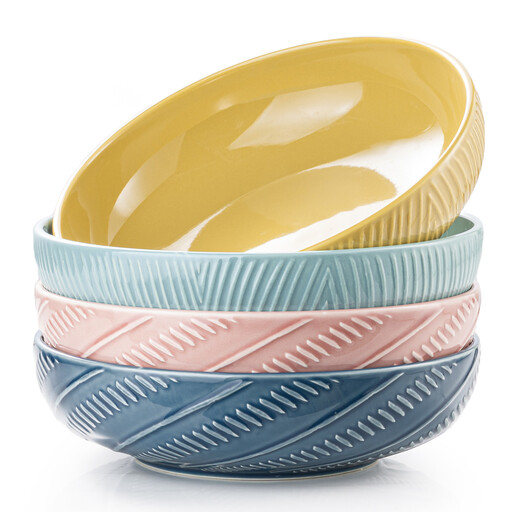
Why this fits the profile: These wide, shallow pasta bowls measure 8.5 inches according to the product description and are intended for pasta, salad, soup and generous main courses.
The product information mentions stackability and use in the microwave, dishwasher, fridge and oven. Check the guidelines on the product for safe use.
Four stackable ceramic bowls; generous shape; suitable for multiple meal types according to the product description.
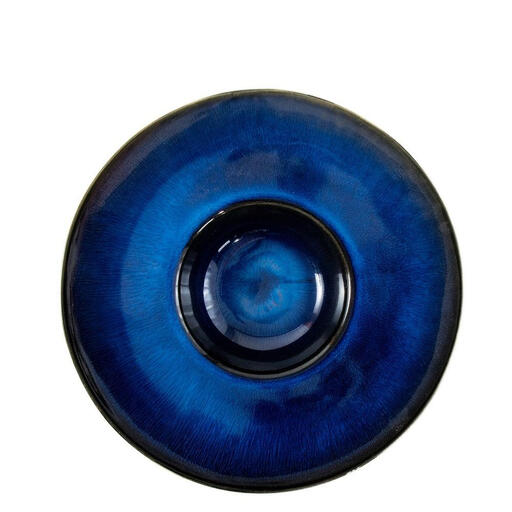
Why this fits the profile: The ceramic dish with reactive glaze and organic shape is designed for pasta, salad, sushi, dessert and nibbles.
The diameter of around 27 cm is clearly stated, so you can judge in advance how much space the plate will take up and which portions will fit.
Microwave and dishwasher safe according to the product description; striking shape for dinners and entertaining.
We’ve put together a full, up-to-date list of products that fully meet these strict selection criteria and comply with current European safety regulations.
For everyday use, ceramic or porcelain plates and bowls are practical when they are explicitly dishwasher safe. Choose sizes that suit your meals and check whether the set is stackable. For intensive food preparation in the kitchen, stainless steel mixing bowls are a practical addition.
This varies by product. Always check the product description and any marking on the underside. Ceramic bowls and plates where microwave use is explicitly stated are intended for this purpose. Do not use metal bowls, such as stainless steel mixing bowls, in the microwave.
Avoid sudden temperature changes, abrasive cleaning products and metal scouring pads when the product information warns against them. Check dinnerware regularly for cracks, chips and sharp edges. It’s best not to use damaged plates and bowls any more.
