
Vandaag of morgen in huis

Kwaliteit gegarandeerd

Welkomstaanbiedingen ontgrendelen: GRATIS bezorging | Tot 80% korting | Gratis 30 dagen JoyPlus-proefperiode
Download de app
The supplement aisle can be overwhelming. Dozens of bottles promise more energy, better resistance, or radiant hair. But how do you know which product is right for you and that you're not overpaying for clever marketing? Many people fall into the same traps: choosing a product with vague promises, paying for unnecessarily complex formulas, or selecting a dosage that doesn't meet their needs.
This guide will help you see through the marketing. We'll cover the key points to consider, so you can make an informed choice that fits your lifestyle and goals.
Before you purchase vitamins or other supplements, it's helpful to know what to look for. Their effectiveness often depends on a few technical details that manufacturers don't always clearly disclose.
Not every form of a mineral or vitamin is absorbed equally well by your body. A magnesium supplement is a perfect example. Magnesium oxide contains a high percentage of magnesium but is less easily absorbed by the body than, for instance, magnesium citrate or -bisglycinate. So, don't just look at the quantity, but also at the specific form listed on the label. This largely determines what your body can actually do with it.
Every label states the dosage per capsule or tablet, often expressed as a percentage of the Reference Intake (RI). This is a European guideline for the daily amount an average adult needs.
For some nutrients, like vitamin B12, you'll often see percentages well above 100% RI. This isn't necessarily a problem, as your body typically excretes any excess of water-soluble vitamins. For supplements for fatigue, a higher dose of B vitamins might even be desirable. However, for fat-soluble vitamins (A, D, E, K), it's important not to go too far above the recommended daily allowance.
The choice between a specific supplement and a multivitamin depends on your goal.
To help you with your choice, we've highlighted a few products that suit different profiles and needs. This selection is based on product specifications and composition.
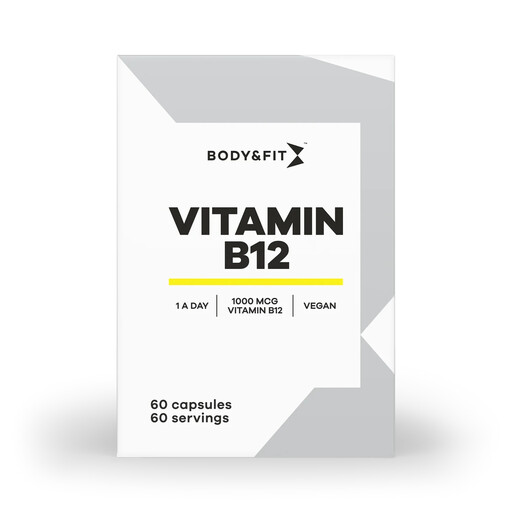
Why This Fits Their Persona: Ideal for those juggling a demanding job and a hectic social life. Vitamin B12 contributes to the reduction of tiredness and supports energy levels. This product offers a targeted approach without unnecessary extras.
This supplement avoids the pitfall of an unnecessarily complex formula. It delivers one specific ingredient in a clear, high dose—exactly what you need for targeted energy support.
Contains 1000 mcg of pure Vitamin B12 per capsule. The pack provides a two-month supply with daily use.
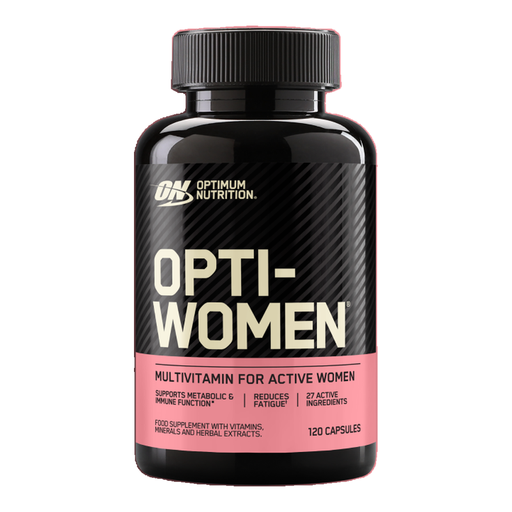
Why This Fits Their Persona: Specially formulated for women with an active lifestyle. This multivitamin provides broad support, from energy metabolism to the immune system, which is useful during intensive training or a busy schedule.
Instead of a generic 'one-size-fits-all' multivitamin, this formula is tailored to the needs of active women, with a focus on specific nutrients like iron and folic acid.
Contains over 20 active ingredients, including iron, folic acid, and all eight B vitamins to support energy metabolism.
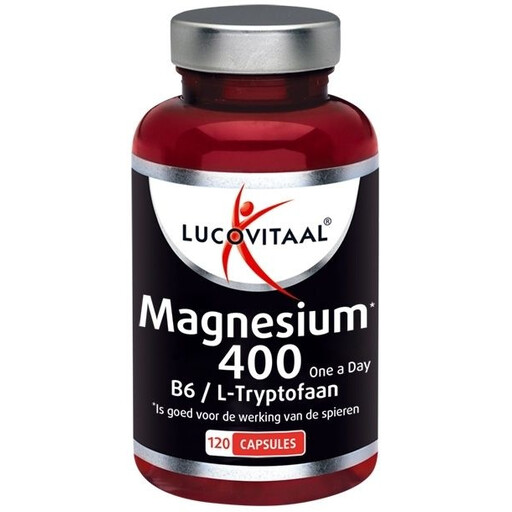
Why This Fits Their Persona: For anyone who exercises regularly. Magnesium plays a role in maintaining normal muscle function and the nervous system. Vitamin B6 is added to help reduce fatigue, which is beneficial after a workout.
This product focuses on a high dose of an essential mineral for athletes, rather than a low dose in an expensive blend with dozens of other ingredients you may not need.
Delivers 400 mg of elemental magnesium per capsule. The addition of Vitamin B6 contributes to the reduction of tiredness and fatigue.
We have compiled a complete, up-to-date list of products that meet these strict selection criteria and local regulations.
This varies greatly by supplement and by person. For a deficiency in vitamin B12, for example, you might notice a difference in energy levels within a few weeks. For supplements that support skin or hair, like biotin, it can take several months to see visible results, as hair and skin need time to grow and renew.
Generally, yes, but it's wise to be cautious. Some minerals can interfere with the absorption of others. For instance, a high intake of zinc can reduce copper absorption. A multivitamin is often already balanced. If you combine individual supplements, read the labels carefully and do not exceed the recommended daily allowance. When in doubt or if you are taking medication, always consult a doctor or pharmacist.
The total amount of a magnesium compound (like magnesium citrate) is not the same as the amount of pure, or elemental magnesium. The elemental magnesium is the part your body can actually use. A good label will state the amount of elemental magnesium. If this isn't clear, the product information often provides more clarity. For example, 400 mg of magnesium citrate provides less than 400 mg of elemental magnesium.
