
Vandaag of morgen in huis

Kwaliteit gegarandeerd

Welkomstaanbiedingen ontgrendelen: GRATIS bezorging | Tot 80% korting | Gratis 30 dagen JoyPlus-proefperiode
Download de app
If you live in a damp climate, you're likely familiar with condensation on the windows, a musty smell in the basement, or laundry that never seems to dry. Excess humidity is a common problem that can lead to mould and an unhealthy indoor environment. A dehumidifier seems like the logical solution, but the market is flooded with models that overpromise and underdeliver.
As a Joybuy Product Recommendation Officer, I see where consumers go wrong every day. Before you make a purchase, it's crucial to see through the marketing claims. Many people choose based on misleading specifications and end up with a device that's noisy, consumes a lot of power, or is simply not powerful enough. Here are the three most common pitfalls.
To avoid a bad purchase, it's crucial to focus on the specifications that truly matter for your situation. Don't be swayed by marketing terms; look at the facts.
The dehumidification capacity, expressed in litres per 24 hours (L/day), is the most important factor. Choose a model that matches the size and humidity level of the room.
The noise level, measured in decibels (dB), determines whether a device will be disruptive.
Also, pay attention to features that enhance convenience, such as a dehumidifier with a laundry drying function. This feature significantly speeds up laundry drying, which is a godsend, especially in autumn and winter. A timer and a hygrostat are essential for energy-efficient and automatic operation. A continuous drainage hose is useful for non-stop use in places like a basement.
To help you make the right choice, we've highlighted a few models that suit specific needs, based on their objective specifications.
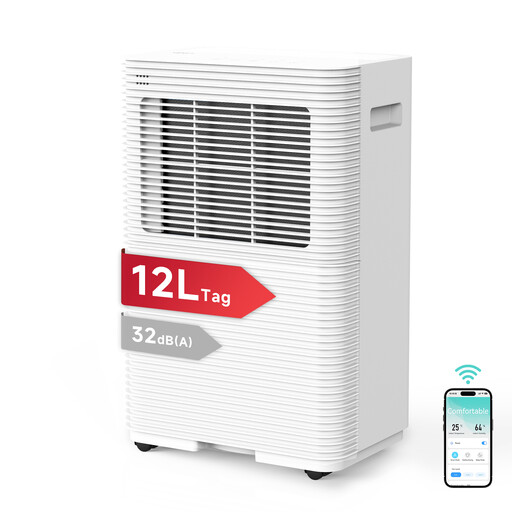
Why This Fits Their Persona: Ideal for those seeking an undisturbed night's sleep. This model combines a solid capacity for a bedroom up to 24 m? with smart features like app control and a specific, very quiet sleep mode.
This model tackles the "silent myth." According to the manufacturer, its sleep mode produces only 32 dB, which is exceptionally quiet and won't disturb your sleep, while the unit continues to function.
WiFi control via an app for scheduling and remote management. The laundry drying function and built-in air purification (plasma) offer extra functionality.
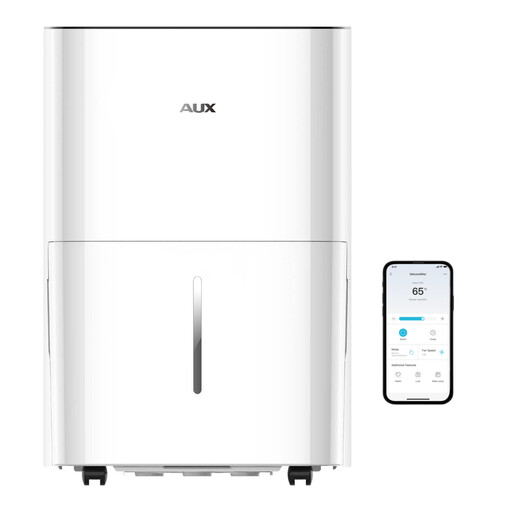
Why This Fits Their Persona: A powerful all-rounder for those who want to balance performance and energy consumption. With a 20 L/day capacity, it's suitable for most living rooms and effectively tackles moisture problems without unnecessarily inflating the energy bill.
This model addresses the energy bill pitfall. According to the manufacturer, it meets 2024 energy efficiency standards with a very low standby consumption of 0.3W and an efficiency of 1.5 L/kWh.
Powerful 20 L/day capacity, suitable for rooms up to 25 m?. WiFi control and a memory function that restores settings after a power outage.
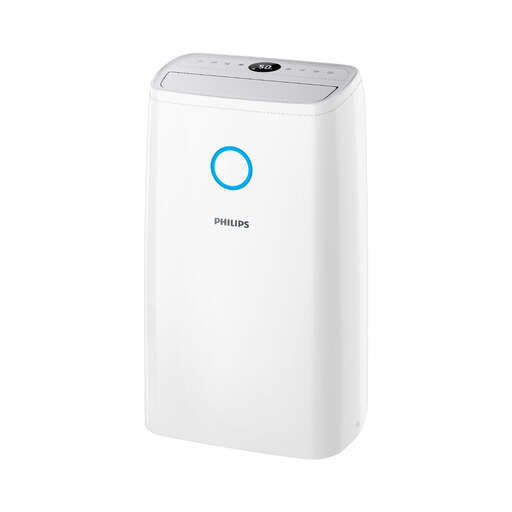
Why This Fits Their Persona: For those who need to tackle serious moisture problems in large areas like basements, attics, or open-plan living spaces (up to 150 m?). This is a powerful appliance built for maximum performance.
This model bypasses the capacity trap by offering a very high, specified capacity of 34.3 L/day. This ensures that the device remains powerful enough for large and demanding spaces even under less-than-ideal, real-world conditions.
Large 4-litre water tank for extended use. The AeraSense technology automatically optimises performance and energy consumption based on the current humidity level.
We have compiled a complete, up-to-date list of dehumidifiers that meet these strict selection criteria and safety standards.
Power consumption depends on the device's wattage and how often it runs. An average model (200-300 watts) running for several hours a day will noticeably impact your energy bill. To limit costs, choose an energy-efficient dehumidifier with a built-in hygrostat. This measures the humidity and automatically turns off the compressor when the target level is reached, which saves a significant amount of power.
Yes, a dehumidifier is an effective tool in the fight against mould. Mould thrives in a humid environment (usually above 60% humidity). By consistently lowering the humidity to a level between 40% and 50%, you deny mould the chance to grow. It's important to note that a dehumidifier prevents new mould growth, but you still need to remove existing mould spots yourself.
Place the unit in the room where the moisture problem is most severe, such as the basement, bathroom, or laundry room. Ensure the dehumidifier is on a flat, stable surface and keep at least 20-30 cm of space clear around the unit. This is necessary for proper air circulation, allowing the device to efficiently draw in moist air and blow out dry air. Never block the air inlets and outlets.
