
Vandaag of morgen in huis

Kwaliteit gegarandeerd

Welkomstaanbiedingen ontgrendelen: GRATIS bezorging | Tot 80% korting | Gratis 30 dagen JoyPlus-proefperiode
Download de app
A dashcam is an extra set of eyes on the road. It not only provides peace of mind but can also supply crucial evidence in the event of an incident. However, the market is flooded with models that promise the world. Before you invest, it's important to know the three common pitfalls that often lead to a disappointing purchase.
4K dashcam sounds impressive, but without a high-quality image sensor and lens, the image quality in low light or at high speed is often still subpar.This guide will help you cut through the marketing jargon and focus on the specifications that truly matter.
The resolution (like 1080p or 4K) determines the sharpness, but the image sensor and lens determine how well the camera performs in different lighting conditions.
A dashcam must always work, especially when it counts. The choice of storage and power supply is decisive here.
Modern dashcams offer more than just recording. These features enhance usability and safety.
Not every driver has the same needs. Below is a selection of models tailored to different user profiles.
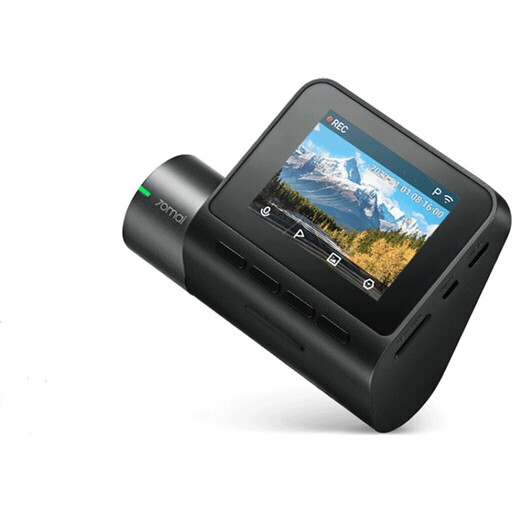
Why This Fits Their Persona: Ideal for daily commutes and basic security. This model offers reliable Full HD recording without unnecessary and costly extras. Perfect for those looking for a 'set it and forget it' solution.
Instead of vague night vision claims, this model uses HDR technology and a high frame rate (60FPS) to deliver clear images even in low light and at high speed.
The 60FPS recording mode provides smoother footage than standard 30FPS cameras, which helps in capturing details like license plates while driving.
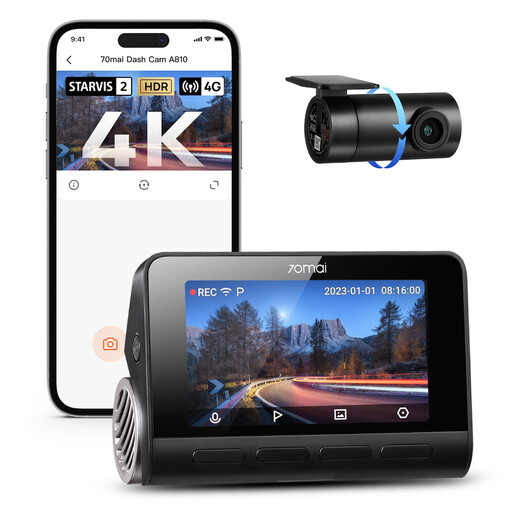
Why This Fits Their Persona: For those seeking the highest image quality and advanced features. This set offers a complete `front and rear dashcam` solution with all the modern technologies for maximum coverage and evidentiary value.
This model combines a 4K dashcam with a leading Sony STARVIS 2 sensor. This is a concrete example of how resolution and a quality sensor reinforce each other for superior image quality, especially at night.
True dual-channel recording with HDR on both cameras. Includes built-in GPS and ADAS safety alerts for a complete safety system.
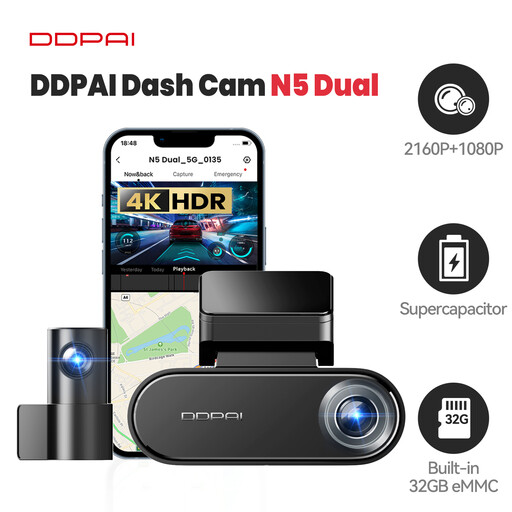
Why This Fits Their Persona: For professional drivers or anyone who demands absolute recording certainty. This model is designed for maximum reliability, even in the event of an unexpected technical failure.
It tackles the problem of unreliable storage head-on with a dual storage system: a 32GB built-in eMMC as a backup for the microSD card. If the card fails, recordings are automatically saved to the internal storage.
Dual storage for maximum reliability. Furthermore, the 5GHz Wi-Fi ensures very fast transfer of large 4K video files to your phone.
We have compiled a complete, up-to-date list of products that fully meet these strict selection criteria.
Yes, using a dashcam is legal in most countries. You are permitted to make recordings for personal use, for example, as evidence after an accident. However, it is crucial to be aware of privacy laws (like GDPR in Europe). Publishing footage that features identifiable people or license plates without consent is generally not permitted.
For a dashcam with parking mode, you need a special 'hardwire kit'. This kit connects to your car's fuse box and provides the dashcam with constant power, even when the engine is off. The kit usually has a built-in voltage protection feature to prevent your car's battery from draining. Professional installation is often recommended.
A 4K dashcam produces large files. As a rule of thumb, you will need about 16-20 GB of space for one hour of 4K recording. Therefore, a 128 GB card can store approximately 6-8 hours of footage. Thanks to 'loop recording', the oldest files are automatically overwritten when the card is full, so you don't have to empty it manually. For longer trips or extensive use of parking mode, a 256 GB card or larger is a good consideration.
