
Vandaag of morgen in huis

Kwaliteit gegarandeerd

Welkomstaanbiedingen ontgrendelen: GRATIS bezorging | Tot 80% korting | Gratis 30 dagen JoyPlus-proefperiode
Download de app
Buying dark chocolate seems simple, until you have to choose between 70%, 85% or 90% cocoa. Terms such as “dark”, “premium” and “intense flavour” don’t always tell you enough about what’s inside, either. If you go by the packaging alone, you could end up with a bar that’s too bitter, contains a lot of sugar or has allergens that aren’t suitable for your household.
This buying guide will help you compare dark chocolate by cocoa percentage, ingredients, flavour, size and occasion.
A 90% cocoa bar generally contains less sugar than a 70% variety, but its flavour is often stronger and less sweet. That doesn’t automatically mean it’s the right bar for you. If you usually eat milk chocolate, you may find 85% or 90% too intense.
Check what the percentage actually refers to, too. For a classic bar, it usually indicates the proportion of cocoa solids. With chocolate containing a filling, caramel or fruit, the ratio may be presented differently.
Some products are described as dark chocolate even though they contain relatively high amounts of sugar, milk ingredients or filling. For example, Lindt Excellence Dark Caramel & Sea Salt lists at least 47% cocoa solids and also contains caramel, milk ingredients and 54 grams of sugar per 100 grams.
This can make a flavoured bar appealing as a snack, but less suitable if you’re specifically looking for chocolate with a high cocoa percentage.
Dark chocolate may contain milk, soya, nuts or sesame, or traces of these ingredients. Always check the allergen information on the product page and packaging. Take extra care with varieties containing almonds, milk powder, caramel or a soft filling.
The product packaging is the definitive source, as recipes and labelling can change.
Use the percentage as your first filter, but consider it alongside your flavour preferences:
Lindt Excellence 70% Cocoa Dark Chocolate contains at least 70% cocoa and 29 grams of sugar per 100 grams. The 85% variety lists 11 grams of sugar, while the 90% variety has 7 grams per 100 grams. These figures make the difference between the varieties clear.
Ingredients are listed in descending order by quantity. If sugar is listed first, that doesn’t necessarily mean the product is unsuitable, but it may taste sweeter. Also look out for:
With dark chocolate with orange, you get a fruity flavour, but often extra sugar from the orange preparation, too. With dark chocolate with caramel and sea salt, caramel pieces add sweetness and a salty note, while the cocoa percentage may be relatively lower.
A 100 g bar is handy for trying one flavour or comparing it with other varieties. A 180 g size, such as Tony’s Chocolonely Pure 70% Dark Chocolate, is a better choice for sharing, serving with coffee or using in recipes.
Check the storage instructions, too. Store chocolate somewhere cool and dry, away from direct sunlight, heat and moisture. A warm delivery day or a kitchen cupboard next to the oven can affect its texture.

Why it suits this shopper: At 70% cocoa, this bar is a practical introduction to dark chocolate without jumping straight to a very bitter variety.
The cocoa content is clearly listed as at least 70%, so you don’t have to rely on the word “dark” alone.
100 g, at least 70% cocoa and a short ingredients list featuring cocoa mass, sugar, cocoa butter and vanilla.

Why it suits this shopper: This bar is aimed at those who enjoy a deep cocoa flavour and a lower sugar content.
The product lists both a minimum cocoa content of 85% and 11 grams of sugar per 100 grams, so you can check the marketing against the figures.
85% cocoa, 100 g and 46 g of fat per 100 g; ideal for enjoying on its own with coffee.

Why it suits this shopper: This variety is for those looking for a pronounced cocoa flavour and very little sweetness, perhaps to enjoy in a small piece with coffee.
Its low sugar content of 7 g per 100 g makes it clear that this is an intense, less sweet bar.
At least 90% cocoa, 100 g and an ingredients list featuring cocoa mass, cocoa butter, low-fat cocoa and sugar.
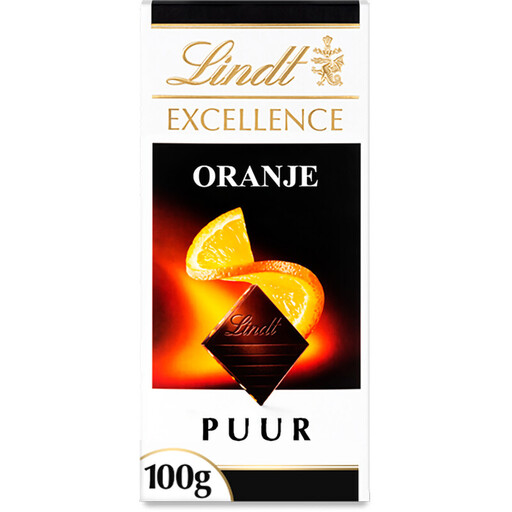
Why it suits this shopper: The combination of dark chocolate, orange and almond is a good fit if you’re looking for dark chocolate with an extra layer of flavour.
The product information specifically lists 7% almond and 7% orange preparation, so the filling won’t come as a surprise.
100 g, crunchy almond pieces and a fruity orange flavour; the chocolate contains at least 48% cocoa solids.
We’ve put together a complete, up-to-date list of products that meet these strict selection criteria and the applicable European safety regulations.
You can’t tell from the percentage alone. 85% chocolate often contains less sugar, but it’s still an energy-dense product with a relatively high fat content. Compare the nutritional information per 100 grams and keep an eye on your portion size. Don’t rely on brands’ health claims as a substitute for personal dietary advice.
A variety with around 70% cocoa is usually an approachable place to start. It has a distinct dark chocolate flavour but is generally less intense than 85% or 90%. At 180 grams, Tony’s Chocolonely Pure 70% Dark Chocolate is also a good choice for sharing or using in a recipe.
Keep dark chocolate in its original, tightly sealed packaging in a cool, dry place. Avoid direct sunlight, moisture and sources of heat. If you have allergies, always check the latest packaging and the date shown before using the product.
