
Vandaag of morgen in huis

Kwaliteit gegarandeerd

Welkomstaanbiedingen ontgrendelen: GRATIS bezorging | Tot 80% korting | Gratis 30 dagen JoyPlus-proefperiode
Download de app
At first glance, choosing curry spices seems straightforward. However, curry powder, curry spice blends, curry seasoning mixes, masala and curry paste all differ significantly in flavour, ease of use, ingredients and shelf life. If you rely solely on the packaging or words like “authentic”, you could end up with a product that is too spicy, contains allergens, or simply doesn’t suit the dish you have in mind.
This buying guide will help home cooks make more informed choices when buying curry spices. You’ll discover what to look out for and which products suit a quick meal, a specific cuisine, or regular use.
Curry is not a fixed flavour. Madras curry, Surinamese masala, Thai curry and Chinese spice blends each have a different composition and method of preparation. A curry spice mix for Dutch-style chicken, for example, can taste very different from an Indian spice blend containing chilli, cumin and fenugreek.
Always check the ingredients list and look at the recommended use. A curry paste is usually intended to be combined with coconut milk, meat, tofu or vegetables. A dry curry powder is more often used as a flavour base, marinade or addition to a sauce.
Words like “hot”, “spicy” or “mild” give an indication, but there is no fixed European scale. The amount of chilli varies by brand and recipe. With a spicy mix, it’s wiser to start with a small amount and add more seasoning later.
Also pay attention to the cooking method. Some spices release their flavour better when briefly fried in oil. With a curry paste, cooking it for too long can actually result in a stronger or sharper taste.
Spice products can contain not only spices but also salt, sugar, oil, starch, milk derivatives, soya or shellfish. This is especially true for ready-made sauces and bumbu pastes. Always check the full packaging, even if the product name only mentions “curry”.
An example is Sum & Sam Bumbu Red Curry. According to the product information, this curry paste contains shrimp powder and therefore shellfish. Patak’s Tikka Masala contains milk derivatives and may, according to the product information, contain peanuts and nuts. This is relevant for families with allergies and for those cooking vegetarian or vegan meals.
Don’t just compare the front of the packaging. Look at the first ingredients, the percentage of curry or spices, and the allergen declaration. According to the product information, TRS Madras Curry Powder Hot contains coriander, turmeric, chilli, mustard, cumin, black pepper and fenugreek, among others. The product contains mustard and is described as suitable for vegetarians and vegans.
With ready-made products, sugar, thickeners or oil can make up a larger proportion. That’s not automatically a problem, but it does affect the flavour and nutritional value. Also keep an eye on the salt content: many spice mixes already contain salt, so you may not need to add extra salt to the recipe.
A small pack is practical if you want to try a flavour first or only make curry occasionally. For a large family, meal prep or professional use, a larger pack can be more economical, provided you store the product properly.
According to the product information, store dry curry spices in a cool, dry place away from direct sunlight. Seal the packaging tightly to prevent moisture loss and aroma fading. Curry pastes often need to be refrigerated after opening; always check the label for this. Also look at the best-before information on the packaging rather than relying solely on the product page.
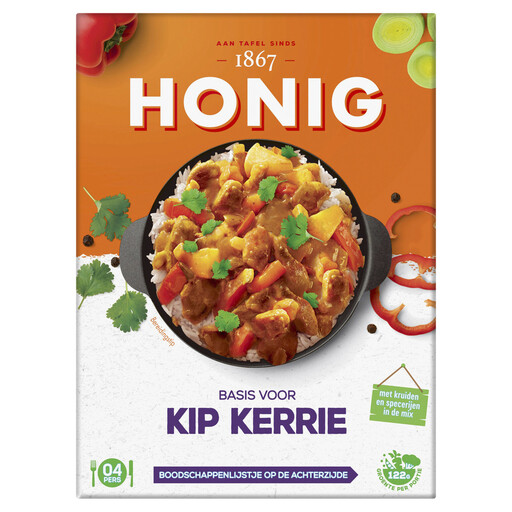
Why this fits the profile: According to the product information, this mix serves 3 to 4 people and takes around 20 minutes to prepare. You add rice, chicken, onion and bell pepper, among other ingredients.
The intended use and required ingredients are clearly described. Do check the allergens: the mix contains wheat, milk, soya, celery and mustard, among others.
Portion pack of 59 g, a base for chicken curry, and suitable for swapping chicken for vegetarian pieces if desired.
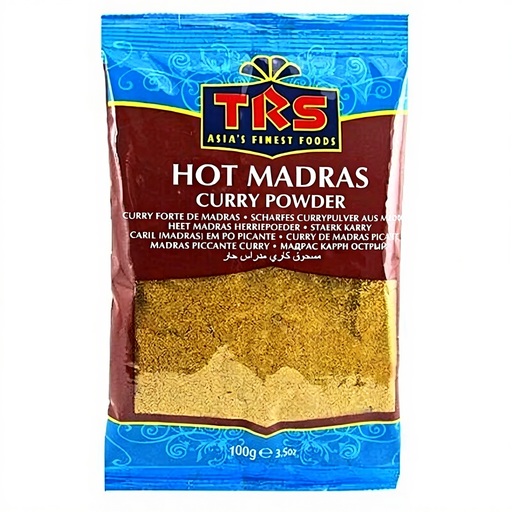
Why this fits the profile: This dry curry powder gives you control over the amount of seasoning and works well in curries, stews and marinades.
The main spices are listed, including coriander, turmeric, chilli, cumin and fenugreek. The “Hot” label makes it clear you should use it sparingly.
100 g dry mix, suitable for vegetarians and vegans according to the product description. Does contain mustard.
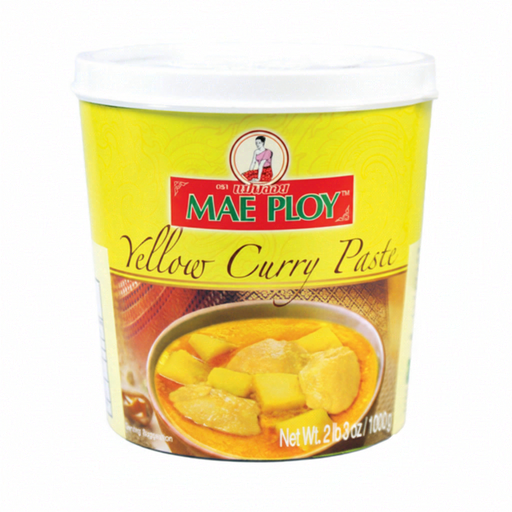
Why this fits the profile: The 1 kg pack is designed for regular use. According to the product information, you combine this paste with coconut milk and meat, tofu or vegetables.
The product information gives a specific dosage: 50 g of paste with 400 g of coconut milk. After opening, the packaging must be refrigerated according to the description.
Large pack, suitable for Thai yellow curry and works with meat, seafood, tofu or vegetables. The stated flavour is mildly spicy.
We’ve put together a full, up-to-date list of products that fully meet these strict selection criteria and comply with current European safety regulations.
In the Netherlands, the terms are often used interchangeably. Usually, the terms refer to a mixed spice containing turmeric, coriander, cumin and pepper, among others. The exact composition varies by brand and cuisine. Always check the ingredients rather than relying on the name alone.
Store dry curry powder in an airtight container, in a cool, dry place away from sunlight and moisture. After opening, store curry paste according to the label; many products need to be refrigerated. Always use the best-before information on the packaging as a guide.
Choose a product that explicitly states it is suitable for vegetarians or vegans and check the allergen list. Dry Indian spices, masala and some Thai curry pastes work well with chickpeas, tofu, lentils and vegetables. With bumbu pastes and sauces, pay extra attention to ingredients such as shrimp powder, milk or fish sauce.
