
Vandaag of morgen in huis

Kwaliteit gegarandeerd

Welkomstaanbiedingen ontgrendelen: GRATIS bezorging | Tot 80% korting | Gratis 30 dagen JoyPlus-proefperiode
Download de app
Buying crisps and snacks online seems straightforward – until you have to choose from dozens of flavours, sizes and origins. A large pack isn’t always the best value, a flashy flavour description doesn’t tell you much about allergens, and international snacks can have labels you might not recognise as easily.
With this practical guide, you’ll focus on what really matters: flavour profile, portion size, ingredients, allergens and when you’ll be eating them. That way, you’ll find potato crisps for a drinks party, Asian snacks to try new flavours, and handy sizes for eating on the go.
A 185g or 200g bag is handy for a party, but less practical if you only want a small portion. For eating on the go or a lunchbox, a 60g to 90g pack may be more suitable. So don’t just look at the price – check the net weight and price per 100g too.
Marketing terms give you a general idea, but the ingredients list shows which flavourings have actually been used. In spicy crisps, for example, chilli, paprika, garlic and flavour enhancers can all combine to create the flavour profile. If you’re expecting a mild snack, you could end up making a less suitable choice.
International snacks and Asian snacks can contain wheat, soya, milk, egg, sesame and molluscs, among other things. Always check both the product page and the packaging. The ingredients or “may contain” warning can change from one import batch to the next. If you have an allergy or intolerance, it’s wise to read the label again when you receive your order.
First, decide which type of snack you’re after:
Texture varies too. Ridged crisps have a crunchier bite, stacked crisps often come in a tube, and baked crisps can feel different in the mouth compared to fried potato crisps. Product descriptions give useful clues, but the exact experience is still personal.
Compare packs by weight:
Pay close attention to the product description with multipacks. A deal might include several tubes or bags, while a similar product name could refer to just one pack.
Check at least:
A product description is a helpful tool for comparing, but it’s not a substitute for the actual label. According to the product information, one snack might contain “none of the 14 main EU allergens”, while another variety explicitly lists milk, wheat or soya.
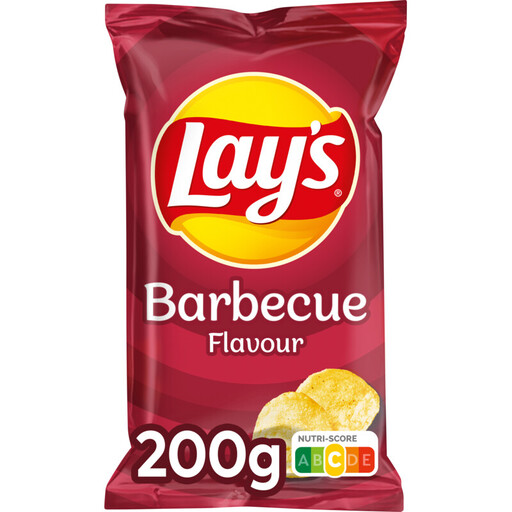
Why this suits the profile: The 200g pack is ideal for sharing, and the BBQ flavour is a familiar choice for anyone buying crisps online for the first time.
The weight is clearly stated, and the product information lists soya as an allergen, so you’re not relying solely on the flavour name.
200g, approximately 6–7 portions according to the product information, and no artificial colours or preservatives listed.
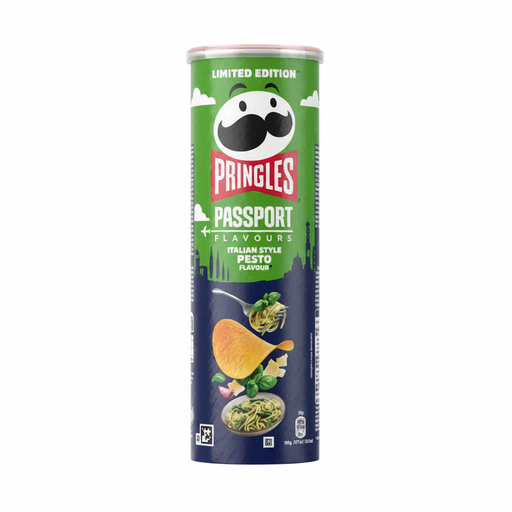
Why this suits the profile: The combination of garlic, basil and savoury pesto notes offers a clear flavour profile for a drinks party with several nibbles.
The product information explicitly lists milk and gluten, plus possible traces of soya. That makes comparing beforehand much easier.
165g in a resealable tube, stacked crisps and 522 kcal per 100g according to the product information.
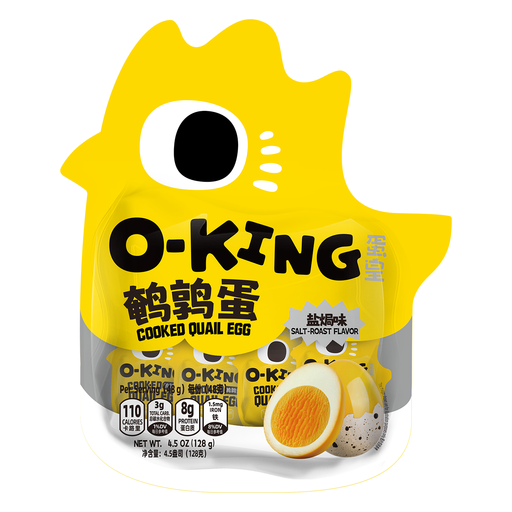
Why this suits the profile: Individual packs make this savoury snack practical for eating on the go, at the office or as an addition to a table of Asian snacks.
The portion and number of pieces are specified: approximately 16 individually wrapped quail eggs per 128g bag.
Ready to eat, individually wrapped and, according to the product information, made with 93% quail egg; contains egg, soya and wheat.
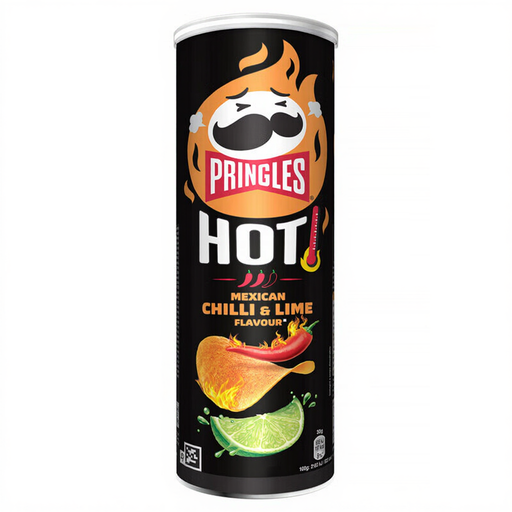
Why this suits the profile: Chilli, lime, smoked paprika and spices appeal to snackers looking for a bold flavour for parties or film nights.
The ingredients include cayenne pepper, chilli and lime, and list milk, wheat and gluten as allergens.
160g, resealable tube and 0.6g salt per 100g according to the nutritional information provided.
We’ve put together a full, up-to-date list of products that fully meet these strict selection criteria and current European safety regulations.
As a rough guide, allow about 30g per person when crisps are part of a selection of nibbles. For an evening where crisps are the main snack, you’ll need more. Combine, for example, 185–200g bags with smaller international snacks so guests can try different flavours.
Seal the bag or tube straight after use and store snacks in a dry, cool place away from direct sunlight. A resealable pack helps, but it’s no guarantee of lasting freshness. It’s best to eat opened crisps within a few days. Always check the packaging for the stated best-before information too.
Compare net weight, price per 100g, origin, ingredients and allergens. Also check whether you’re buying a single pack or a multipack. With international products, it’s a good idea to compare the product information with the label when your order arrives. That way, you’ll choose more wisely and avoid a purchase that doesn’t suit your taste, diet or occasion.
