
Vandaag of morgen in huis

Kwaliteit gegarandeerd

Welkomstaanbiedingen ontgrendelen: GRATIS bezorging | Tot 80% korting | Gratis 30 dagen JoyPlus-proefperiode
Download de app
Are you looking to buy crisps for a party, a film night, or to stock your cupboard? You’ll quickly come across dozens of flavours, sizes and packs. From Japanese crisps and wasabi snacks to spicy crisps, corn puffs and classic potato crisps: the range is huge, but the differences aren’t just about taste.
Pay particular attention to three common pitfalls:
First, think about the kind of snacking occasion you have in mind. For a family or a mixed gathering, an accessible flavour like sour cream and onion crisps often works well. For those who love bold tastes, there are spicy crisps, chilli and lime crisps, and wasabi snacks.
Japanese crisps often feature combinations like wasabi and nori. This gives a spicy, savoury impression with seaweed adding an extra layer of flavour. If you’re after a light, airy texture, corn puffs are worth considering. They feel different to traditional potato crisps because they’re made from puffed corn.
Don’t just compare the number of bags or tubes – also look at:
For a party, a larger pack can be practical. For a first try of an unusual flavour, a smaller bag is often a sensible choice.
Nutritional values are usually given per 100g. In the product information provided, the energy values of the crisps and snacks mentioned range from approximately 519 to 576 kcal per 100g. That helps you compare different varieties, but it doesn’t tell you anything about the taste or texture.
Also check:
Product information can change. So if you’re in doubt, always use the physical label as your guide. For the Yopokki Snack Wasabi, the product information states none of the 14 main EU allergens, yet the ingredients list does mention wheat. That’s exactly why you should check the pack carefully before eating.
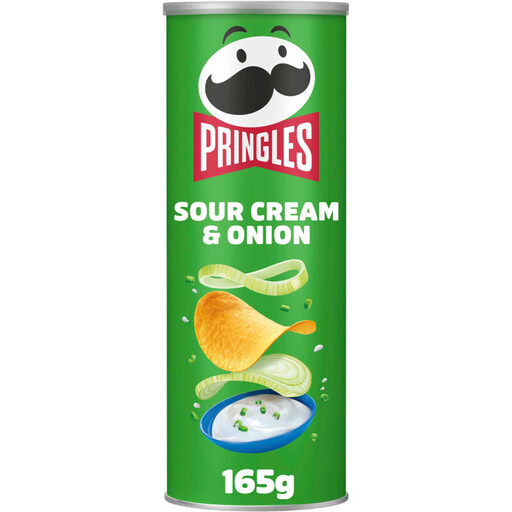
Why this fits the profile: The familiar flavour and packaging make this variety a good choice when you want a trusted option for home or a gathering without taking a risk.
The 165g content and nutritional values are clearly stated. Do check the milk and gluten allergens on the pack.
165g per tube; resealable packaging; sour cream and onion flavour; great for sharing.
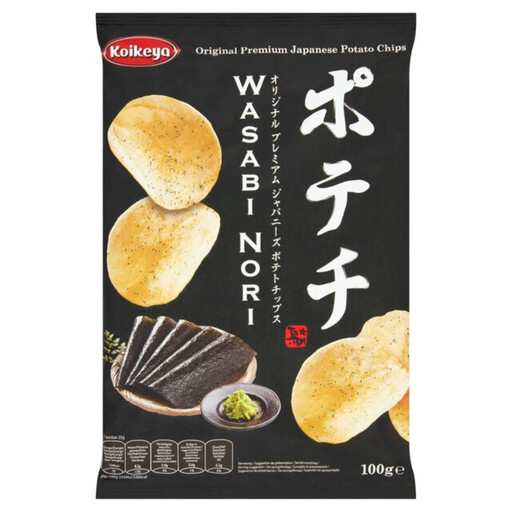
Why this fits the profile: These Japanese potato crisps combine wasabi with nori and are designed for those who want to look beyond standard flavours.
The flavour direction is clearly stated as wasabi and seaweed. The bag contains 100g; check for wheat and soya in the allergen information.
100g content; wasabi nori flavour; potato base; store in a cool, dry place.
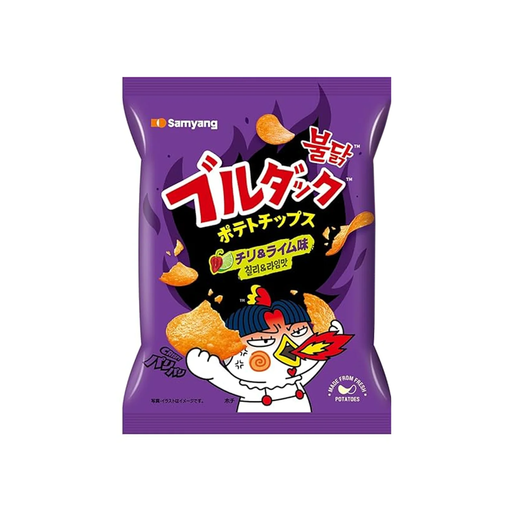
Why this fits the profile: The combination of chilli and lime is aimed at snack lovers who want a bold, spicy flavour profile.
The product description mentions both the spicy flavour and the fresh lime. At 55g, you can try the taste first without stocking up on a large amount.
55g content; potato crisps; chilli and lime flavour; states possible traces of wheat, sesame and soya.

Why this fits the profile: These corn puffs have a light texture and wasabi flavour, offering a different eating experience to compact potato crisps.
The texture is described as light and crunchy, while the pack states 80g. So you know upfront this isn’t a large bag of potato crisps.
80g content; corn grits base; vegetarian according to the product information; none of the 14 main EU allergens listed.
We’ve put together a full, up-to-date list of products that fully meet these strict selection criteria and comply with current European safety regulations.
Online shops offer not only standard potato crisps but also Japanese crisps, Korean snacks, corn puffs and other Asian snacks. Before ordering, check the content, allergens, best-before date and origin. That way, you avoid a product that only looks appealing because of its packaging.
Look at the price per 100g. This is more practical than just the total price, especially if you’re considering buying Pringles alongside smaller bags of spicy crisps or wasabi snacks. Also factor in delivery costs and any multi-pack deals.
Store crisps according to the instructions on the pack, usually in a cool, dry place away from direct sunlight. Seal a bag properly or use an airtight container. An opened pack loses its crunchiness more quickly, especially due to moisture. The date on the pack is your best guide; also check that the packaging is undamaged when you receive it.
