
Vandaag of morgen in huis

Kwaliteit gegarandeerd

Welkomstaanbiedingen ontgrendelen: GRATIS bezorging | Tot 80% korting | Gratis 30 dagen JoyPlus-proefperiode
Download de app
Buying crisps seems simple enough, until you get home with a bag that’s mostly air, a flavour that disappoints, or a multipack where not everyone finds something they like. Even with well-known brands, portion sizes, allergens and nutritional values can vary considerably. If you shop with a clear idea of what you want, you’ll avoid unnecessary costs and find it easier to choose crisps for a film night, drinks or a party.
A 200g or 250g bag might look appealing, but always check the price per 100g. With a multipack of crisps, you can sometimes pay more for individual packets, even though smaller bags are more convenient for on-the-go or a party. Also look at the total weight: a box containing lots of little bags may actually hold fewer grams than one large bag.
Spicy crisps, cheese crisps and BBQ crisps use eye-catching flavour names, but the actual taste experience varies from recipe to recipe. If you don’t enjoy hot food, it’s best to check ingredients for chilli, pepper or lime. With international snacks, such as Korean snacks or Mexican corn snacks, the seasoning can be stronger than you’re used to from British-style potato crisps.
A resealable tube is practical, but it says nothing about the nutritional content. A product without certain additives isn’t automatically suitable for every diet either. So always check the ingredients list, allergens and nutritional information per 100g. Product information can change, so use the current details on the product page and packaging before you buy.
For individual snacking, bags of around 44g to 100g are practical. For sharing at a gathering, packs of 165g to 250g make more sense. A multipack with several flavours helps when guests have different preferences. For party crisps, you can also choose smaller portions so the pack doesn’t stay open for long.
Keep these points in mind:
Potato crisps are usually made from potatoes, oil, salt and seasonings. Tortilla chips and other corn snacks are typically made with cornmeal or prepared cornmeal. Seasoning blends may contain milk, soya, wheat or mustard, among other things.
So check before you order:
A product description is not a substitute for the label. If you have an allergy or intolerance, the packaging is what you should rely on.
The nutrition table makes it easier to compare products than marketing text does. In the product information provided, energy values range from around 477 to 600 kcal per 100g. Salt, fat and sugar also vary by flavour and brand.
Nutri-Score can serve as an extra point of comparison, but it doesn’t tell you everything about portion size or ingredients. Use the table mainly to compare products within the same category. A sweet snack, such as chocolate rice cakes, shouldn’t be compared directly with plain crisps in terms of flavour or when you’d eat them.
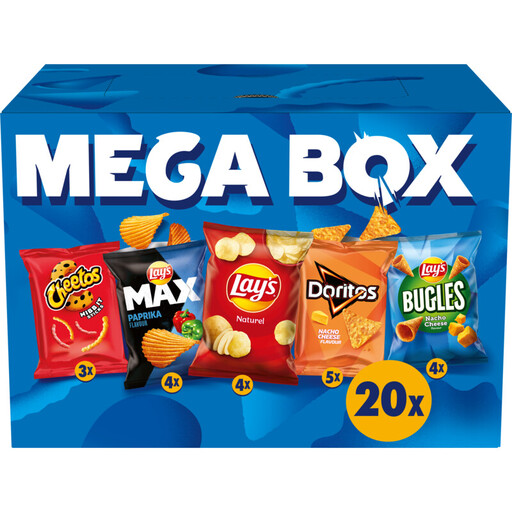
Why this suits the profile: The box contains 20 individual portions with flavours including paprika, plain and cheese. That makes it easy to share when you have guests, on the go, or for a small stash at home.
The number of packs and the stated weights per bag are clearly described. Do compare the price per 100g before you order.
20 portions; several well-known flavours; handy for handing out.
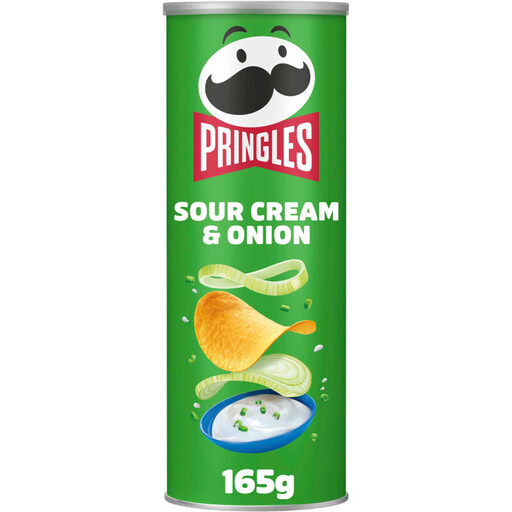
Why this suits the profile: The tube protects the distinctive shaped crisps and can be resealed after opening. The sour cream and onion flavour works well for a relaxed film night or drinks.
The packaging is resealable, which helps protect the contents from moisture. Check the allergens: this product contains wheat and milk.
165g; resealable tube; clear nutritional information.
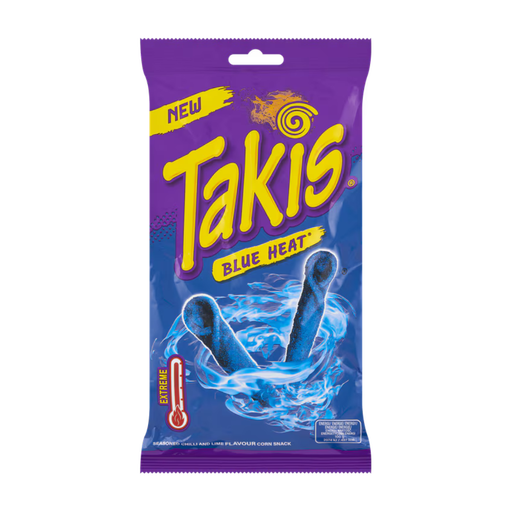
Why this suits the profile: This rolled corn snack combines chilli and lime with a satisfying crunch. It’s aimed at fans of bold, spicy crisps for a film night or party.
The flavour direction and 100g content are clearly stated. If you have sensitive eaters, check the warning for soya and possible traces of gluten, milk, nuts, sesame and mustard.
Rolled shape; chilli and lime flavour; 100g for sharing or one snacking session.
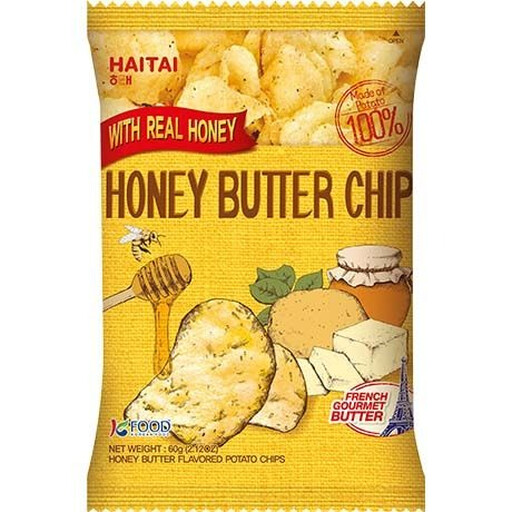
Why this suits the profile: The Korean honey and butter combination is a departure from standard paprika or plain crisps. The 60g size is ideal for trying a new flavour without buying a large quantity.
The small size limits waste if the flavour is unfamiliar. The ingredients list milk, wheat and soya; check the label if you have allergies.
60g; Korean flavour variant; potato as the main ingredient.
We’ve put together a full, up-to-date list of products that fully meet these strict selection criteria and comply with current European safety regulations.
For a party, different sizes work well. Choose a multipack of crisps with small portions if you want to hand them out easily. For drinks, you can combine large bags of potato crisps with tortilla chips, corn snacks and a dip. A mix of plain, cheese crisps, BBQ crisps and one spicy flavour caters to several preferences.
Store the pack in a cool, dry place away from direct sunlight. Seal an opened bag as tightly as possible. A tube with a lid can be practical, but even then the best-before date on the packaging remains the key guide. Do not use crisps if the packaging is damaged or if the contents smell or taste unusual.
First, read the flavour description and ingredients list. Chilli, lime, pepper and spices can be very noticeable. Also check for allergens such as soya, milk, wheat and possible traces. With snacks from abroad, portions, preparation methods and nutritional information may be presented differently, so always compare the data per 100g.
