
Vandaag of morgen in huis

Kwaliteit gegarandeerd

Welkomstaanbiedingen ontgrendelen: GRATIS bezorging | Tot 80% korting | Gratis 30 dagen JoyPlus-proefperiode
Download de app
Buying a cream seems simple, until you have to choose between a face cream, moisturiser, hand cream, baby cream or barrier cream. A rich formula may feel good on dry skin, but too heavy on oily or acne-prone skin. Terms such as ‘24-hour hydration’, ‘natural’ and ‘clinically tested’ don’t always tell you enough about what a product will be like to use every day.
This practical guide helps you compare creams by skin type, use, ingredients and texture. That way, you can avoid paying mainly for packaging or marketing language.
A cream can be hydrating but still not feel comfortable on your skin. A rich, oily formula may suit dry skin or dry hands better. For oily or combination skin, a light gel cream may be a better choice. Look out for terms such as:
Words such as ‘soothing’, ‘repairing’ or ‘anti-ageing’ don’t automatically promise the same results for everyone. A brand may report certain results based on its own research, but these claims are not the same as a guaranteed personal effect. So, check the full ingredients list and directions for use first.
With a retinol cream, for example, the concentration matters. The Retinol 0.1 Cream lists 0.1% retinol and recommends building up use gradually. This makes the usage instructions more useful than a general claim about smoother-looking skin.
A cream for sensitive skin isn’t automatically fragrance-free. According to the product information, NIVEA Moisturizing Cream Blue Tin contains fragrance, limonene, geraniol and benzyl benzoate, among other ingredients. If your skin reacts to fragrance, check the ingredients before buying.
The same applies to baby products. Only use a product specified for the relevant age and purpose, and avoid contact with the eyes.
First, decide where you want to use the cream:
A good moisturising cream often combines several types of ingredients:
More ingredients don’t automatically mean a cream will suit you better. A short, clear formula may be more practical if your skin is easily irritated.
Compare more than just the price: consider the size and how you’ll use the product, too. A 400 ml tub may be good value for your body and hands, while a 20 or 50 ml tube may be more convenient for your face-care routine or for taking with you. Always check the expiry date, the period after opening and the storage advice on the packaging.
If you’re trying a new face cream, you could test a small amount on a limited area of skin first. Stop using it if irritation occurs, and consult a doctor or pharmacist if skin problems persist.
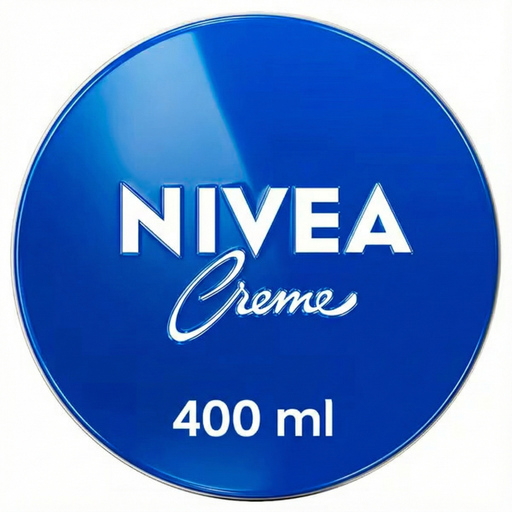
Why it suits this profile: A generous size for anyone looking for one cream to use on their face, body or hands, and wanting to start a simple daily skincare routine.
The product information clearly states that it can be used on the face and body. However, check for fragrance allergens if your skin is sensitive to them.
400 ml; contains glycerine, panthenol and paraffinum liquidum, according to the product information.

Why it suits this profile: A good choice for anyone specifically looking for a barrier cream for the face with ceramides, hyaluronic acid and nourishing lipids.
The ingredients list shows which barrier-supporting ingredients are included, rather than relying on a general claim about repairing the skin.
Contains several ceramides, cholesterol, panthenol and different forms of hyaluronic acid; the product information also describes it as non-comedogenic.
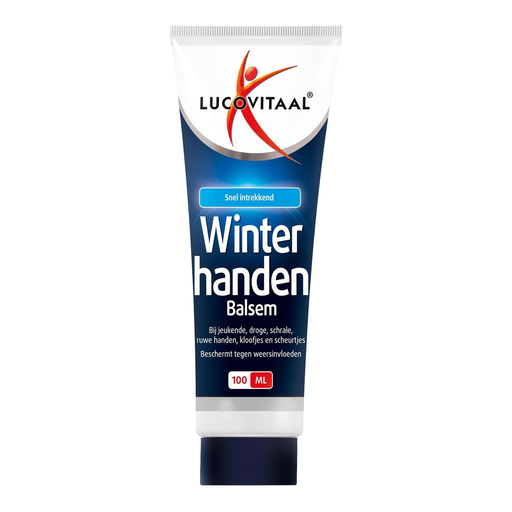
Why it suits this profile: For adults with dry, rough hands who wash their hands often, work outdoors, garden or do household chores.
The formula is designed specifically for hands, so you don’t need to use a general face cream for frequent hand care.
Contains glycerine, lanolin and jojoba oil, according to the product information; designed for dry and cracked hands.
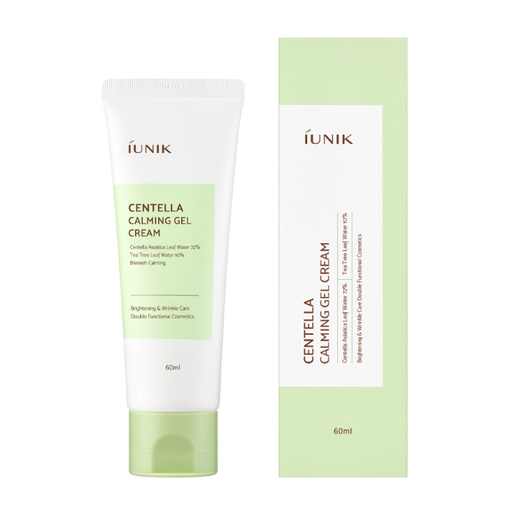
Why it suits this profile: Its lightweight gel texture is a good match for anyone looking for a moisturiser for oily, combination, sensitive or acne-prone skin.
The product description highlights a fast-absorbing gel texture that doesn’t feel heavy or greasy. According to iUNIK’s own research, the formula helps soothe visible irritation; this isn’t a guaranteed personal result.
Contains centella asiatica, tea tree extract, niacinamide and adenosine; 60 ml and vegan-friendly, according to the product information.
We’ve put together a complete, up-to-date list of products that meet these strict selection criteria and the applicable European safety regulations.
Look for a richer formula with ingredients such as glycerine, panthenol, shea butter, oils, squalane or ceramides. Dry skin may benefit from a cream that attracts moisture and helps lock it in. Also check for fragrance if your skin reacts easily.
It depends on the product and your skin. Face cream is often applied in the morning and evening, while you may need to use hand cream more often after washing your hands or on cold, dry days. Always follow the directions on the packaging.
Check the open-jar symbol, which may show 6M or 12M, and read the packaging for the exact shelf life. Store the cream in a cool, dry place, close the tub or tube properly and use clean hands. If the smell, colour or texture changes noticeably, stop using the product.
