
Vandaag of morgen in huis

Kwaliteit gegarandeerd

Welkomstaanbiedingen ontgrendelen: GRATIS bezorging | Tot 80% korting | Gratis 30 dagen JoyPlus-proefperiode
Download de app
Buying a cream might seem straightforward, until you have to choose between a face cream, moisturiser, Korean skincare cream, body cream or a product for a specific skin concern. Packaging often promises a smooth, radiant or younger-looking complexion. Yet a flashy claim says little about whether the formula actually suits your skin.
The following pitfalls are common:
First, decide where you want to use the cream. A face cream is formulated for the thinner skin of the face, while a body cream often has a larger volume and a richer texture. For hands and heels, formulas for dry, rough skin are more practical.
Also pay attention to the described skin need:
A long ingredients list is not automatically better. Look at the first ingredients, as they usually make up a larger part of the formula. A moisturiser with glycerine or hyaluronic acid, for example, may be particularly suitable when dehydration is your main concern.
Also watch out for potential issues:
According to brands’ own product information, certain formulas may be hypoallergenic, vegan or dermatologically tested. That doesn’t mean every user will tolerate the product without issue. Always read the label and stop if you experience redness, itching or a burning sensation.
Don’t just compare the price of a pot or tube, but also the volume. A face cream of 50 ml, a body cream of 240 ml and a hand cream of 100 ml cannot be directly compared on price.
A pot can be handy for a rich night cream, but requires extra attention for hygienic use. A tube is practical for a hand cream or heel cream and is usually easier to dispense. Also check the shelf life, the period after opening and the storage advice on the packaging.
Try a new cream on a small area of skin first. Don’t apply several new products at once; it’s then difficult to determine which product caused a reaction.
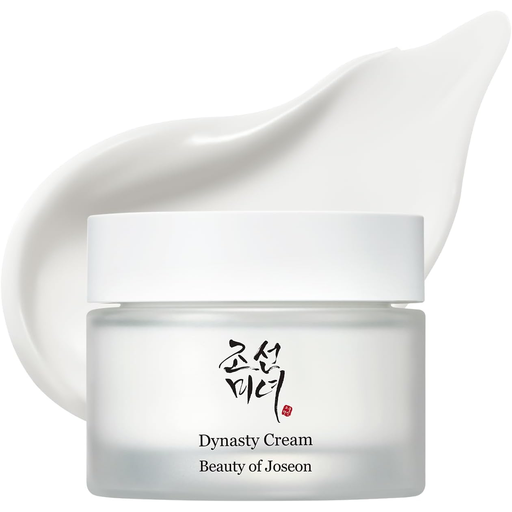
Why this fits the profile: The 100ml packaging is practical for daily use and the product information mentions, among others, glycerine, niacinamide, panthenol and sodium hyaluronate.
You can check the ingredients and volume instead of relying solely on terms like “glow” or “luxurious”.
100 ml volume; contains niacinamide, panthenol and hyaluronic acid according to the product information.
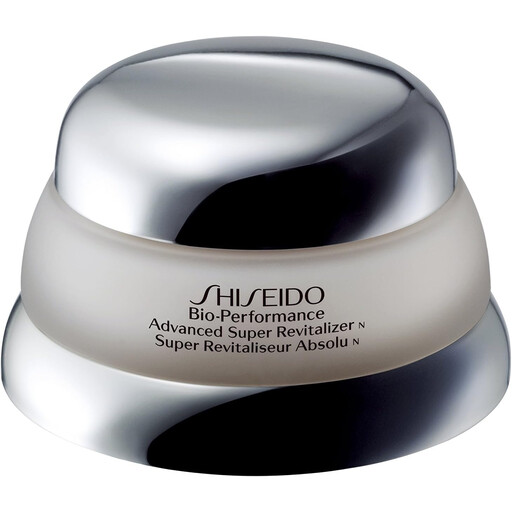
Why this fits the profile: This 50ml face cream is aimed at users looking for a more luxurious formula and skincare routine.
The choice is based on product type and volume; check the full ingredients list and usage advice yourself before purchasing.
Designed for facial skincare; 50 ml volume; luxury brand positioning.
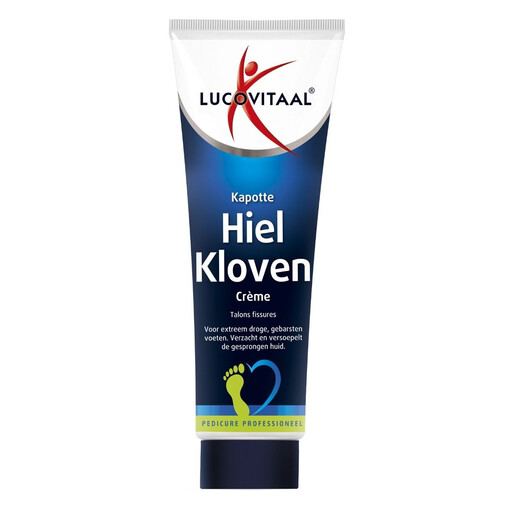
Why this fits the profile: This heel cream is intended for dry, rough and cracked heels and can be applied daily or before sleeping.
The application is clearly defined for heels, so you don’t use a general face cream for a different area of skin.
75 ml volume; developed for extremely dry and cracked feet; usage advice for daily application.
We’ve put together a full, up-to-date list of products that fully meet these strict selection criteria and comply with current European safety regulations.
After cleansing, use a small amount of face cream and introduce new active ingredients gradually. An anti-ageing cream with acids or vitamin C requires extra attention to sun protection. A brightening cream is not a substitute for a sunscreen product.
For the body, a body cream is practical after showering, as the skin is not yet completely dry. A hand cream can be reapplied after washing your hands, doing housework or gardening. A heel cream works best on clean, dry feet; you might wear cotton socks after applying.
Buying a cream thus becomes mainly a matter of comparing skin area, ingredients, texture, volume and frequency of use. Don’t automatically choose the most expensive or most flashily presented formula. Choose the variant whose product information matches your own routine.
This varies per product. Check the symbol on the packaging, the period after opening and the stated expiry date. Store the cream according to the advice, usually closed, dry and out of direct sunlight. Does the smell, colour or texture change? Then it’s best not to use the product anymore.
Look at the ingredients list and watch out for fragrance, essential oils, acids and known allergens. First test a small amount on a limited area of skin. “Hypoallergenic” or “dermatologically tested” is, according to a brand’s product information, no guarantee that everyone will tolerate the formula.
That is sometimes possible, but it’s not always practical or cost-effective. Face creams often have a smaller packaging and are tailored to the face. For arms, legs or large dry areas, a body cream is usually more convenient due to the larger volume. Use a heel cream or acne cream preferably for the area of application for which it is described.
