
Vandaag of morgen in huis

Kwaliteit gegarandeerd

Welkomstaanbiedingen ontgrendelen: GRATIS bezorging | Tot 80% korting | Gratis 30 dagen JoyPlus-proefperiode
Download de app
Buying crackers might seem straightforward, but products can vary considerably. One type may be better suited to breakfast or lunch, while another is intended mainly as a light snack with a cup of coffee or tea. So don’t rely only on words such as “light”, “high-fibre” or “less sugar”. The ingredients list and nutritional values give you a more reliable picture.
A thin or airy cracker may weigh less per piece, yet still contain a relatively high amount of energy per 100 grams. For example, Wasa Lightweight lists 338 kcal per 100 grams, while some airy crispbreads contain around 417 to 439 kcal per 100 grams. So check:
An airy texture tells you mainly about how the cracker feels, not necessarily about its overall nutritional value.
Sugar-free biscuits and snacks can contain different sweeteners. For example, Panpan Low GI Sugar-Free Oat High Fiber Biscuits contain maltitol, listed as E965. According to the supplied table, the product contains 11.7 grams of sugars per 100 grams. So always check the full nutrition table and read the sweetener warning on the packaging.
A product with less sugar may still contain a lot of carbohydrates or fat. So consider the term “low sugar” in the context of the full nutritional information.
“High-fibre” or “source of fibre” can be useful when comparing different crackers, but check the actual number of grams of dietary fibre per 100 grams. The supplied product specifications range from 5.4 grams for Wasa Delicate Crackers to 19 grams for Wasa Sourdough Rye and 20 grams for Wasa Lightweight.
Also check the ingredients. One product may contain added plant fibres, while another gets most of its fibre from wholegrain rye, wholegrain wheat or spelt.
For wholegrain crackers, rye crackers and spelt crackers, the type of grain matters. Check whether wholegrain wheat or wholegrain rye is clearly listed in the ingredients. According to the product information, Wasa Lightweight and Wasa Sourdough Rye are made with 100% wholegrain rye. Bolletje Light Whole Grain Crackers list wholemeal wheat flour as an ingredient.
Spelt is a type of wheat and contains gluten. Bolletje Light Spelt Crackers are therefore not suitable for people who need to avoid gluten or wheat. If you have an allergy, always check the current packaging.
Use the per-100-gram table to compare products fairly. Some of the listed values are:
A lower salt or sugar content may matter for your choice, but always compare the same unit and the same serving size.
Individual packs are handy for taking with you, keeping at the office or popping in a lunchbox. They can also help you decide on a portion in advance. For example, Nabati Butter Caramel Wafer and Nabati Strawberry Wafer are packed as 12 portions of 27 grams.
Check the storage instructions after opening. Crackers and crispbread lose their crunch when exposed to moisture. Keep opened packs tightly sealed in a cool, dry place, and check the best-before date on the packaging if you’re unsure.
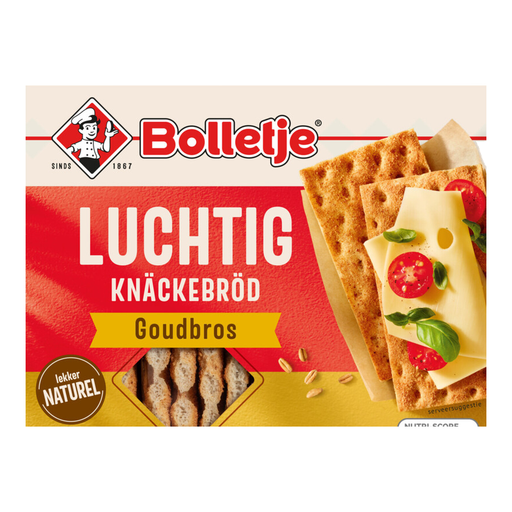
Why it suits this profile: These airy crackers are suitable for breakfast, lunch or a simple snack. The 240-gram pack is practical for regular use.
The specifications list 7.7 grams of fibre, 1.6 grams of sugars and 0.91 grams of salt per 100 grams. This lets you make your choice based on specific values, rather than relying on “light” alone.
Extra-light, crunchy texture; suitable for breakfast and lunch; 1.6 grams of sugars per 100 grams according to the product information.

Why it suits this profile: A good choice if you’re looking for a distinctive rye and sourdough flavour for breakfast, lunch or a more substantial snack.
The product description specifies 100% wholegrain rye and 19 grams of fibre per 100 grams. So you can see which grain forms the base, rather than relying on a general fibre claim.
100% wholegrain rye; 19 grams of fibre; 0.3 grams of sugars per 100 grams according to the supplied nutritional information.
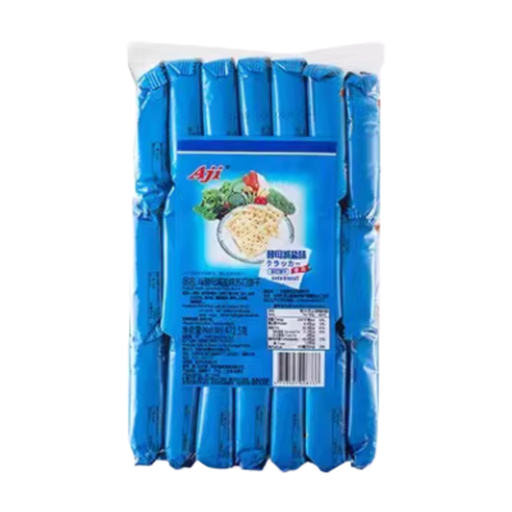
Why it suits this profile: The large pack is a good fit for households that often serve crackers with soup or tea, or enjoy them as a quick snack. According to the product information, the crackers are individually wrapped or packed in multi-piece portions.
The “reduced salt” claim is accompanied by a stated sodium value of 380 mg per 100 grams. Compare this with other products and check the current label.
472.5 grams; made using yeast fermentation according to the product description; handy for sharing and storing.
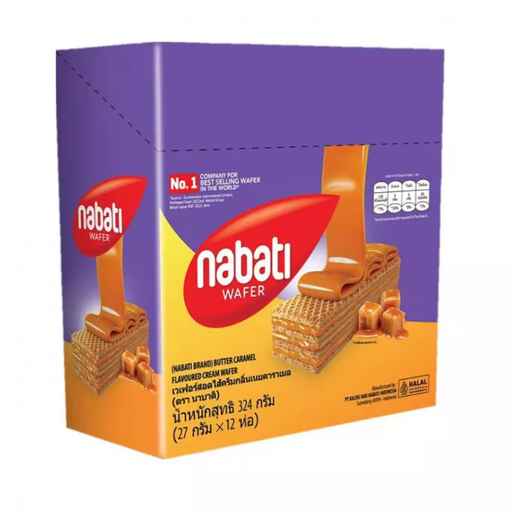
Why it suits this profile: The individual 27-gram portions are practical for the office, travel or a lunchbox when you fancy a sweet wafer snack.
The packaging makes the portion size clear, while the table lists 33.3 grams of sugars per 100 grams. This helps you avoid mistaking a sweet snack for a wholegrain cracker.
12 individually wrapped wafers; 27 grams per portion; a sweet snack with coffee or on the go.
We’ve put together a complete, up-to-date list of products that meet these strict selection criteria and the applicable European safety regulations.
For breakfast crackers, wholegrain rye, wholegrain wheat and spelt are good categories to compare. Choose a flavour that goes well with your toppings: a plain cracker works with both sweet and savoury toppings, while rye and sourdough have a more distinctive flavour.
For snacking crackers, size and packaging matter just as much. Individual packs are handy when you’re out and about, but may mean more packaging. If you’re eating at home, a larger bag or box may be more practical.
If you’re mainly looking for a thin snack, you could also consider crispbread, soda crackers or wafer snacks. As with any alternative, check the ingredients, allergens and nutritional values. “Light”, “natural” and “less sugar” are no substitute for the full product information.
Compare the amount of dietary fibre per 100 grams. According to the supplied product information, Wasa Sourdough Rye and Wasa Lightweight contain 19 and 20 grams of fibre respectively. Bolletje Light Whole Grain lists 15 grams. Always check the current packaging, as recipes can change.
No. Rye, spelt and wheat are grains that contain gluten. The rye and spelt products mentioned are therefore not suitable if you need to avoid gluten. If you have an allergy or intolerance, check the allergen information and product packaging carefully.
Store unopened crackers in a cool, dry place, away from direct sunlight and moisture. Seal an opened pack tightly or use an airtight container. Individual packs can be handy if you don’t eat all the crackers at once.
