
Vandaag of morgen in huis

Kwaliteit gegarandeerd

Welkomstaanbiedingen ontgrendelen: GRATIS bezorging | Tot 80% korting | Gratis 30 dagen JoyPlus-proefperiode
Download de app
Buying corn seems simple, until you are standing in front of the shelf or browsing an online range. Do you want sweetcorn for the barbecue, corn on the cob for a quick meal, baby corn for a stir-fry or popcorn maize for a film night? The packaging and preparation method affect far more than just the flavour.
Pay particular attention to these three common pitfalls when choosing:
The right choice starts with when you want to use the corn.
Do not just compare the price per pack. Look at:
For example, a 450 g pack containing two cobs is a different purchase from a 1 kg bag of loose cooked corn. The first is easy to plan for a meal for two people; the second gives you more scope for several dishes.
Before ordering, check how to store and prepare the corn. For frozen cooked corn, the general rule is: keep frozen, refrigerate after defrosting and do not refreeze. Follow the instructions on the packaging.
Vacuum-packed products can sometimes be eaten straight away or heated briefly. When using a microwave, always remove the packaging if instructed to do so on the label. For tinned corn, check that the tin is not leaking, bulging or badly damaged. Do not store opened contents in the tin; transfer them to a sealed container in the fridge.
A short ingredients list makes comparisons easier. For example, the Sunlee corn on the cob lists only corn as an ingredient. Other products contain water, salt, sugar, oil, starch or flavourings.
Also check the nutrition table per 100 g. A corn snack with oil and salt has a different composition from ordinary corn on the cob. Gusto Salted Corn Balls, for example, list 20 g of fat and 1.5 g of salt per 100 g. Bigga Corn Snack Vanilla contains sugar, palm oil and non-dairy creamer powder, among other ingredients; the packaging also lists milk, soya and malt as allergens or possible allergen traces. Always check the current label, particularly if you have allergies or food intolerances.
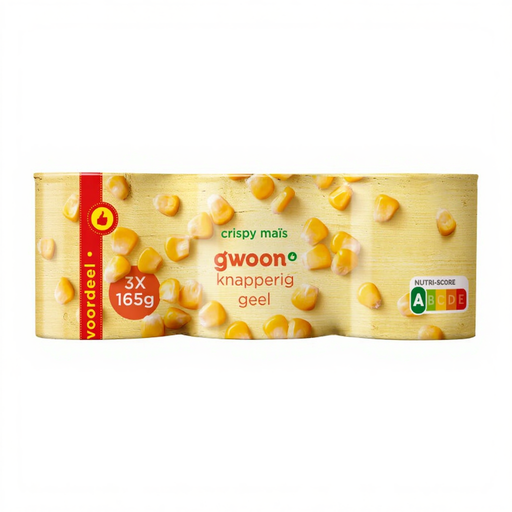
Why it suits this profile: Three 165 g packs are easy to manage for small households and for anyone who wants to try crispy corn without immediately choosing a bulk pack.
The portions and total contents are clearly stated. According to the product information, the ingredients are corn and water; check the current packaging for any flavourings.
3 x 165 g; suitable as a crispy corn snack; the product information states 1.2 g of fat and 0 g of salt per 100 g.
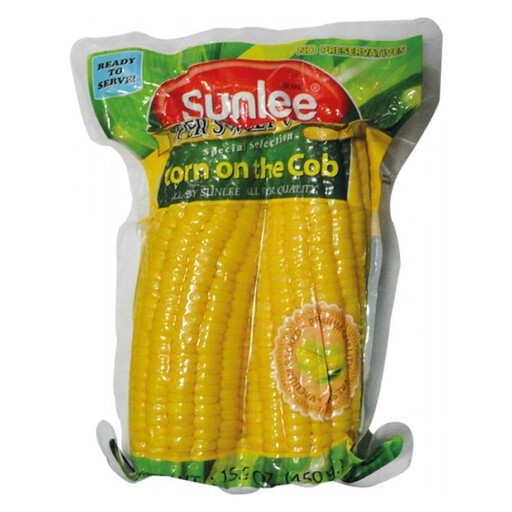
Why it suits this profile: This pack is aimed at fans of whole sweetcorn cobs as a side dish, rather than loose kernels or a snack product.
The contents are clearly stated: two pieces and 450 g. According to the product description, the product contains a single ingredient: corn.
2 corn cobs; net weight 450 g; storage instructions and nutritional values are provided with the product.
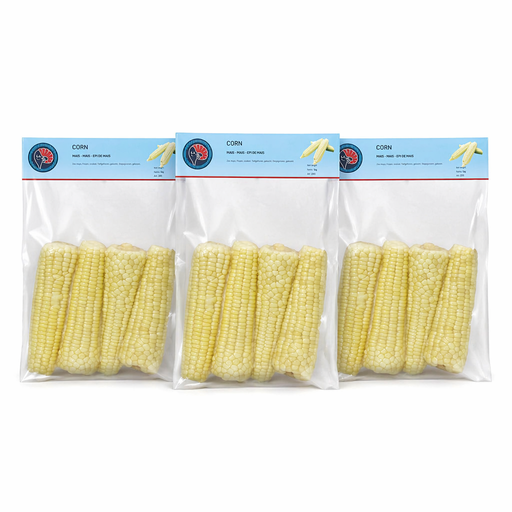
Why it suits this profile: The total quantity of 3 kg is ideal for families, meal preparation and home cooks who regularly use corn in several dishes.
The packaging makes the bulk-buying option clear. The product must remain frozen and, according to the instructions, must not be refrozen after defrosting.
3 packs of 1 kg; frozen product; according to the product information, free from the 14 main EU allergens.
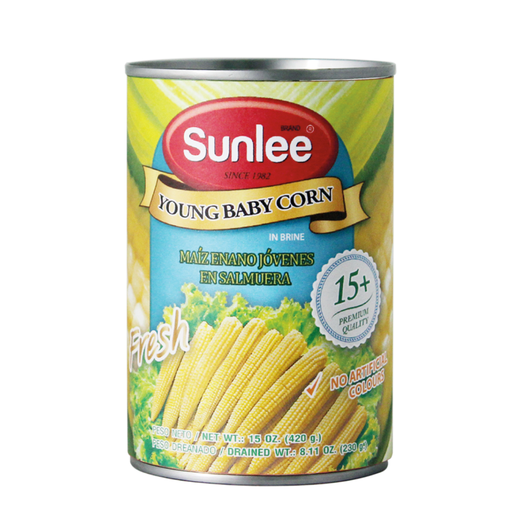
Why it suits this profile: Baby corn is practical for Thai curries, stir-fries, ramen and salads. The 420 g tin is suitable if you are looking for a store-cupboard product.
The product information explicitly refers to young corn cobs and a 420 g tin. This makes it less likely that you will mistake baby corn for ordinary sweetcorn.
420 g; suitable for stir-fries, soup and curry; refrigerate after opening according to the label.
We have put together a complete, up-to-date list of products that fully meet these strict selection criteria and the applicable European safety regulations.
Choose dry popcorn maize, such as Valle Del Sole Popcorn Maize Butterfly 900 g. The product instructions describe preparation in a pan with oil and a lid. Do not use a sweetcorn cob or cooked corn as a substitute: they contain too much moisture and are not the same product.
An unopened tin can generally be kept until the date shown on the packaging, provided it is stored in a cool, dry place away from direct sunlight. Before use, check the tin for leaks, rust, a bulging lid or serious damage. Once opened, the corn should be refrigerated; follow the storage period stated on the label.
It can be practical if you regularly use corn in soup, salad, rice dishes or as a side dish. A bulk pack reduces packaging waste, but requires enough freezer space. Compare the total quantity with your consumption and plan how quickly you will use an opened or defrosted pack.
