
Vandaag of morgen in huis

Kwaliteit gegarandeerd

Welkomstaanbiedingen ontgrendelen: GRATIS bezorging | Tot 80% korting | Gratis 30 dagen JoyPlus-proefperiode
Download de app
Buying cookies seems straightforward—until you have to choose from dozens of flavours, formats and international brands. Looking for Oreo cookies for home, Japanese cookies for a lunchbox or chocolate cookies to enjoy with coffee? Attractive packaging and enticing flavour names can easily obscure the practical differences.
When ordering online, pay particular attention to three common pitfalls:
For a family, guests or a party, a 150- to 403-gram pack is often more practical than several small bags. For school, work or travel, individually portioned packs are generally easier to manage. The 40-gram Tokimeki Panda cookies and 40-gram Binqi biscuit sticks, for example, are compact and easy to take with you.
When choosing cookies for children, size is not the only consideration. A small pack can make it easier to prepare a snack in advance, but always check the allergens and information on the current packaging. The product page is a useful starting point for comparison; the packaging remains the definitive source for the latest information.
Many cookies contain a combination of wheat, milk, egg and soy. Filled cookies often also contain palm oil, vegetable fats, flavourings and emulsifiers. Anyone with an allergy or intolerance should check the complete ingredients list.
Examples from the range:
For international products, also check the language and completeness of the label. Glico Pocky Strawberry Flavour, for example, lists wheat, milk and soy. The product information also warns that the packaging may contain more or different information than the online listing.
Cookies are sweet snacks. Use the nutrition table to compare products with one another, not to attach a health claim to a product. Pay particular attention to energy, fat, saturates, carbohydrates, sugars and salt per 100 grams.
The values in the supplied product information vary considerably. Oreo Birthday Cake lists 502 kcal and 45 grams of sugar per 100 grams. Hellema Smoeltjes lists 488 kcal and 24 grams of sugar per 100 grams. Van Delft Likkoekjes contains 417 kcal and 42 grams of sugar per 100 grams. These figures show why it is wise not to rely solely on the flavour name or packaging.
Brand claims should also be read in the right context. If a product claims to contain “26% less sugar”, for example, this is a statement made by the brand in comparison with its own reference product. It is not a general statement about the product’s nutritional value. For Franzzi Coconut Latte Flavoured Filled Cookies, this claim is listed by the seller according to the product description; compare the table on the packaging for the latest information.
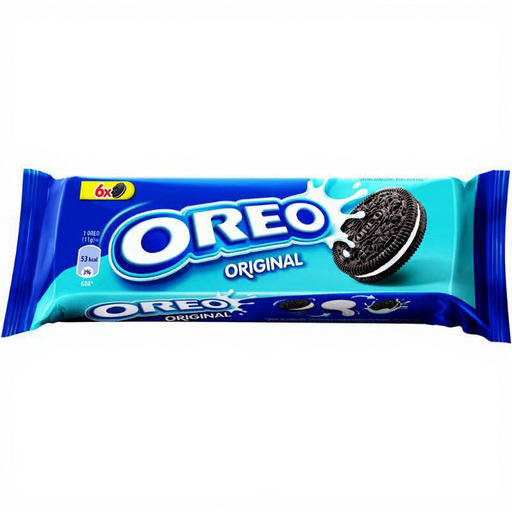
Why it’s a good fit: A compact pack for anyone looking for the familiar combination of cocoa biscuits and vanilla filling without committing to a large multipack.
The 66-gram net weight is clearly stated, making it easy to compare the format with larger Oreo packs.
66 g; 476 kcal and 38 g of sugar per 100 g according to the product information.
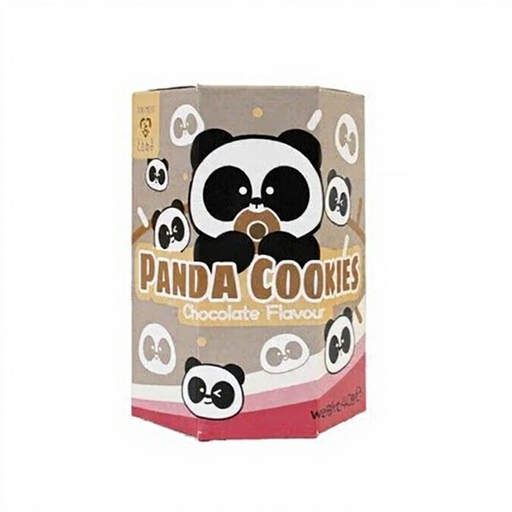
Why it’s a good fit: The panda shape and compact packaging are ideal for anyone looking for Japanese cookies for a lunchbox, work break or small treat.
The portion is limited to 40 g, so you are not automatically buying a large pack for a brief snack break.
Panda shape, chocolate flavour and a 40 g pack; according to the listing, it contains wheat, milk, egg and soy.
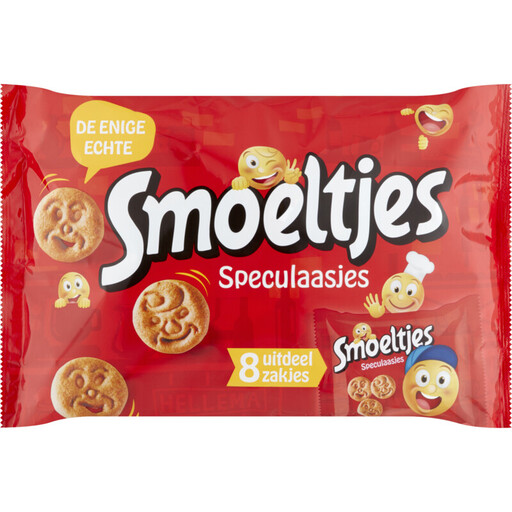
Why it’s a good fit: Eight individual bags make this format practical for sharing, treats or multiple snack occasions.
The contents are divided into 8 portions rather than one large opened pack that may sit around for longer.
200 g, 8 bags and 5.5 g of fibre per 100 g according to the product information.

Why it’s a good fit: The generous format is ideal for a pantry, a party or serving with coffee, tea and dessert.
The 403 g weight makes the choice transparent for anyone deliberately looking for a shareable format.
Strawberry flavour, 403 g and 460 kcal per 100 g according to the product information.
If you prefer filled cookies, consider Hershey Cookie n Creme Rounds, Hello Panda Biscuits Choco Filling XL or Ulker Halley Mini Biscuit. For a classic flavour, speculaas cookies and butter cookies are natural choices. Hellema Smoeltjes contains cinnamon, among other ingredients, and is divided into 8 bags; according to the product information, Royal Ballet Danish Butter Cookies contain 26% butter.
For fruity options, Van Delft Likkoekjes, FESTIVAL Strawberry and Festival Lemon Flavour Cookies are worth considering. Pay attention to the difference between fruit flavour, fruit powder, icing and flavouring. This information appears in the ingredients list and is not always prominently displayed on the front of the pack.
There are also several formats suitable for snacks on the go. The 45 g Pocky Strawberry, 52 g Furuta Strawberry Milk Cookie and 97 g Oreo Birthday Cake take up little space. Store cookies in a cool, dry place and keep them tightly sealed. Check the best-before date upon delivery and do not use any product whose packaging is damaged.
Browse our current range and compare flavours, weights, portion packs and ingredients before ordering.
Small packs weighing 40 to 52 grams are easy to carry and fit into many lunchboxes. Examples include Tokimeki Panda, Binqi biscuit sticks, Glico Pocky and Furuta Strawberry Milk Cookie. When buying for children, always check the allergen information and the current packaging.
That depends on the price and net weight. A 403-gram pack contains more cookies, but it is only better value if the price per 100 grams is lower. Individual bags can also be practical when you want to divide the portions.
Store them according to the product information in a cool, dry place away from heat and direct sunlight. Seal an opened bag securely or use an airtight container. With individually wrapped cookies, the remainder of the supply generally stays better protected against moisture.
